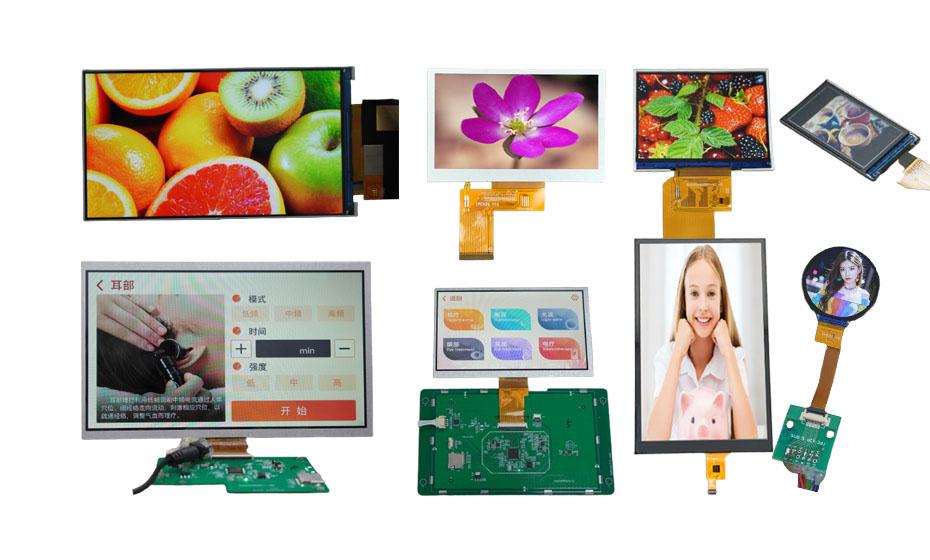
Look around you. Whether you're reading this on your smartphone, glancing at your laptop monitor, or checking the time on your smartwatch, there's a very high chance you're looking at a TFT LCD display. This technology is the workhorse behind the visual interface of countless modern devices. But what exactly is a TFT LCD, and how does it create the bright, colorful images we see every day? Let's dive in and demystify this engineering marvel.
 

tft lcd display


What is a TFT LCD?


First, let's break down the acronym:


LCD (Liquid Crystal Display): An LCD is a flat-panel display that uses the light-modulating properties of liquid crystals. These crystals don't produce their own light; instead, they rely on a backlight and act like tiny shutters to either block or allow light to pass through.


TFT (Thin-Film Transistor): This is the active matrix technology that drives the LCD. A TFT is a special type of transistor made from a thin film of semiconductor material deposited on a glass panel. For every single pixel on the screen, there are one or more of these tiny transistors.


So, a TFT LCD is essentially an active matrix LCD where each pixel is controlled by one to four transistors. This setup allows for faster response times, sharper images, higher contrast, and better color reproduction compared to older, passive matrix LCDs. It's the "smart" and precise way to control an LCD.


How Does a TFT LCD Work?


The magic of a TFT LCD lies in its layered structure and precise control of light. Here’s a step-by-step breakdown:


1. The Backlight:

The process starts with a bright white LED backlight at the rear of the display assembly. This light source is always on, providing the illumination for the entire screen.


2. The Polarizers:

The light first passes through a polarizing filter. This filter only allows light waves vibrating in a specific direction to pass through, creating polarized light.


3. The Liquid Crystal Layer:

This polarized light then reaches the layer of liquid crystals. Each pixel is made up of three sub-pixels—red, green, and blue (RGB)—each with its own transistor. By applying a precise electrical voltage via the TFT, the twist of the liquid crystals changes. This twisting action either twists the polarized light to allow it through or untwists to block it, acting like a microscopic shutter for each sub-pixel.


4. The Color Filter:

After passing through the liquid crystal layer, the light hits a color filter. This filter has individual red, green, and blue segments for each sub-pixel. The amount of light that passed through each sub-pixel now shines through its corresponding color filter, creating the exact shade of red, green, or blue needed.


5. The Second Polarizer:

Finally, the light passes through a second polarizing filter. This filter is oriented at a 90-degree angle to the first one. Its job is to analyze the light that has been altered by the liquid crystals. The combination of these two filters and the liquid crystals' twisting action ultimately determines whether light is allowed to pass through for that pixel or not.


Your brain blends the intense of these millions of tiny red, green, and blue sub-pixels together to perceive a single, full-color pixel. Millions of these pixels working together form the complete image on your screen.


Key Advantages of TFT LCDs


High Contrast & Image Quality: Offers sharp and vibrant images.


Cost-Effective: Mature manufacturing processes make them relatively inexpensive to produce.


Long Lifespan: LEDs have a very long operational life.


Reliability: Solid-state technology with no moving parts.


Conclusion


TFT LCD technology is a masterpiece of engineering that combines the precise control of thin-film transistors with the unique light-modulating properties of liquid crystals. From your phone to your TV and the dashboard in your car, this reliable, efficient, and cost-effective technology continues to be a dominant force in bringing digital information to life right before our eyes. Gvlcd is a professional TFT LCD display manufacturer,get more details from us quickly!
An LCD display, which stands for Liquid Crystal Display, is a type of flat-panel display technology that uses the light-modulating properties of liquid crystals to display images.


Here's a breakdown of how it generally works and its key characteristics:


How it works:


Liquid Crystals: Unlike traditional solids or liquids, liquid crystals have unique properties. Their molecules can be aligned or rotated when an electric current is applied.


Backlight: LCDs don't emit light directly. Instead, they rely on a backlight (usually LED-based in modern displays) that shines light through the display.


Polarizers: Before the light from the backlight reaches the liquid crystal layer, it passes through a polarizing filter that aligns the light waves in a specific direction.


Electrodes: A grid of electrodes surrounds the liquid crystal layer. When an electric voltage is applied to these electrodes, it causes the liquid crystal molecules to twist or untwist.


Light Modulation: As the liquid crystals change their orientation, they either allow or block the polarized light from passing through.


Color Filters (for color displays): For color LCDs, the light then passes through tiny colored filters (red, green, and blue) for each pixel. By varying the amount of light that passes through each sub-pixel, a full spectrum of colors can be created.


Image Formation: The combination of many such pixels, each controlled independently, forms the complete image on the screen.


Key Characteristics and Advantages:


Thin and Lightweight: LCDs are significantly thinner and lighter than older display technologies like Cathode Ray Tube (CRT) monitors.


Low Power Consumption: They consume less power, making them ideal for portable devices and energy-efficient electronics.


Versatility: LCDs are used in a wide range of devices, from small digital watches and calculators to large televisions, computer monitors, and smartphones.


Sharp Image Quality: They can produce sharp and clear images, especially high-resolution models.


Flat Panel: Their flat design makes them suitable for modern, sleek device aesthetics.


In essence, an LCD display manipulates light rather than emitting it directly, using the unique properties of liquid crystals to control the passage of light and create images.

It's a common misconception that "LCD" and "LED" are completely separate and competing display technologies. In reality, almost all modern "LED" displays for TVs, monitors, and smartphones are actually a type of LCD display that uses LED backlighting.


Here's the crucial clarification:


LCD (Liquid Crystal Display): This refers to the core technology that uses liquid crystals to control the passage of light for each pixel. Liquid crystals don't emit their own light, so they need a light source behind them.


LED (Light Emitting Diode): This refers to the type of light source used for the backlight.


The "LCD vs. LED" distinction you often hear is typically comparing:


Older LCDs with CCFL (Cold Cathode Fluorescent Lamp) backlights: These were the original LCD displays, using fluorescent tubes for illumination.


Modern LCDs with LED backlights (often just called "LED TVs" or "LED monitors"): These replaced CCFLs with more efficient and controllable LED arrays.


So, when someone asks "Why is LCD better than LED?", they might be thinking of:


Cost: Traditional CCFL-backlit LCDs were generally cheaper to produce than early LED-backlit LCDs. While the price gap has significantly narrowed, and often LED-backlit LCDs are now the standard and very affordable, for certain specialized, very large-scale displays, there might still be cost differences.


Specific Niche Applications: In some very specific industrial or niche applications, an older CCFL-backlit LCD might still be used if extreme uniformity across the entire panel at a very low cost is paramount, and the other benefits of LED backlighting aren't as critical. However, this is becoming increasingly rare.


Misunderstanding of Terminology: The most common reason is simply a misunderstanding that "LED" is a completely different display technology, when it's actually an improvement in the backlight of an LCD.


Why LED Backlighting is generally "better" for LCDs (and why the market shifted):


When comparing modern LED-backlit LCDs to older CCFL-backlit LCDs, the LED versions offer significant advantages:


Energy Efficiency: LEDs consume less power, leading to lower energy bills and a more environmentally friendly product.


Thinner Design: LEDs are smaller and more versatile, allowing for much thinner display panels.


Improved Picture Quality (especially with local dimming):


Higher Contrast: With LED backlighting, especially Full-Array Local Dimming (FALD), specific zones of LEDs can be dimmed or brightened independently. This allows for much deeper blacks and brighter whites in different areas of the screen simultaneously, greatly improving contrast compared to CCFLs which illuminate the entire screen uniformly.


Better Brightness: LEDs can achieve higher peak brightness levels, which is crucial for HDR (High Dynamic Range) content and viewing in bright environments.


Better Color: LED backlighting can enable a wider and more accurate color gamut.


Longer Lifespan: LEDs generally have a longer operational lifespan than CCFLs.


No Mercury: CCFLs contain mercury, which is a hazardous material. LEDs are mercury-free.


The "True" LED Display (Direct View LED / MicroLED):


It's important to note there's another, more advanced display technology called Direct View LED (dvLED) or MicroLED. In these displays, the LEDs themselves are the pixels, emitting their own light directly, similar to OLED. These displays are typically used for very large video walls, stadium screens, or very high-end, large-format consumer displays. They offer incredible brightness, contrast, and seamless modularity, but are currently much more expensive than OLED or LCD.


In summary: When people talk about "LED" displays in the consumer market (TVs, monitors), they are almost always referring to LCD displays with LED backlighting. This technology is generally superior to older CCFL-backlit LCDs in most aspects. There are very few scenarios where a traditional CCFL-backlit LCD would be considered "better" than an LED-backlit LCD in today's market.

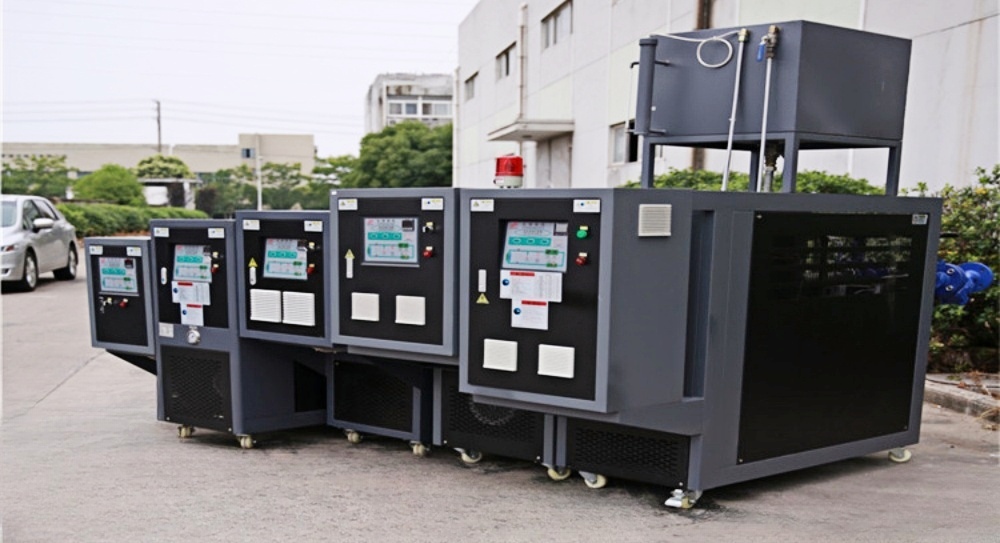
Mold temperature controllers (MTCs) are essential pieces of equipment in industries such as plastics, rubber, die-casting, and injection molding. These devices are designed to regulate the temperature of molds during the manufacturing process, ensuring optimal product quality and production efficiency. The importance of maintaining the correct mold temperature cann't be overstated, as it directly impacts the precision and consistency of the final product.


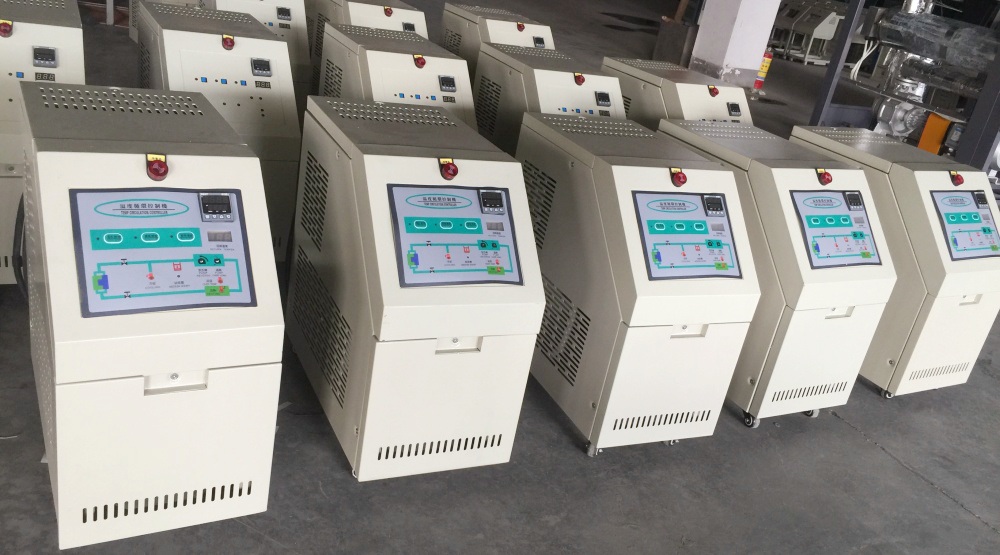
Water Mold Temperature Controller


Functionality of Mold Temperature Controllers

Mold temperature controllers serve several key functions, all geared towards improving the efficiency of industrial molding processes:


1. Precise Temperature Control:

The primary function of an MTC is to maintain a stable, uniform temperature in the mold. In the manufacturing processes such as injection molding, blow molding, and die - casting, the temperature of the mold has a significant impact on the performance of the production process and the quality of the final product. For example, in injection molding, if the mold temperature is too low, the plastic melt may cool down too quickly, resulting in uneven filling of the mold cavity, short shots, and poor surface quality of the product. On the contrary, if the mold temperature is too high, it may cause over - heating of the plastic, leading to material degradation, warping, and other defects. A mold temperature controller can accurately adjust the temperature, usually within a very small temperature deviation range (such as ±0.5°C or even smaller), ensuring that the mold temperature remains at the optimal value required by the production process.


2. Heating and Cooling:

An MTC provides both heating and cooling functions. By regulating the temperature of the mold, it ensures that the material doesn't cool too quickly, preventing issues such as warping or cracks. On the other hand, it also prevents overheating, which can result in defects like flash or uneven surface quality.


3. Consistency and Quality:

Mold temperature controllers help ensure consistent temperatures across the entire mold surface. This consistency reduces the likelihood of defects and variability, resulting in higher-quality products with fewer defects, which is critical in industries where precision is vital.

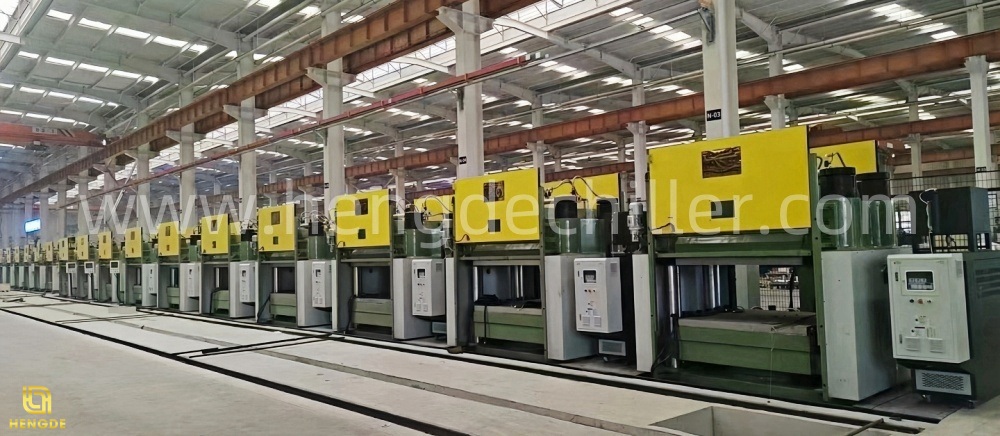
Hengde Mold Temperature Controller


4. Energy Efficiency:

Modern mold temperature controllers are designed to be energy-efficient, minimizing energy waste by adjusting the heat and cooling cycles in real-time. This contributes to lower operational costs while maintaining production speed and quality.


5. Faster Production Cycles:

By keeping the mold temperature under control, MTCs help to speed up production cycles. A stable temperature reduces the need for constant adjustments, allowing for faster and more consistent output, which is a significant advantage in high-volume manufacturing environments.


6. Cost Reduction:

By preventing common molding problems, such as warping or dimensional changes, mold temperature controllers help to reduce scrap and rework. This not only improves product quality but also cuts down on material costs and production downtime.


Why Choose Nanjing Hengde Electrical Equipment Co., Ltd?

At Nanjing Hengde Electrical Equipment Co., Ltd, we specialize in producing high-quality mold temperature controllers and industrial chillers that are engineered to deliver precision and reliability. With over many years of experience in the industry, we have developed a reputation for providing innovative solutions tailored to meet the specific needs of our clients. Our water mold temperature controllers and oil mold temperature controllers are designed to ensure optimal performance in a wide range of applications, offering enhanced energy efficiency, superior temperature control, and faster production cycles.


Whether you're working with injection molding, die-casting, or rubber processing, Hengde’s mold temperature controllers provide the accuracy and consistency needed to achieve high-quality results. For more information on our products and solutions, please visit our website at www.hengdechiller.com.


Choose Hengde,Choose Perfect Mold Temperature Controller!

Mold Temperature Controllers

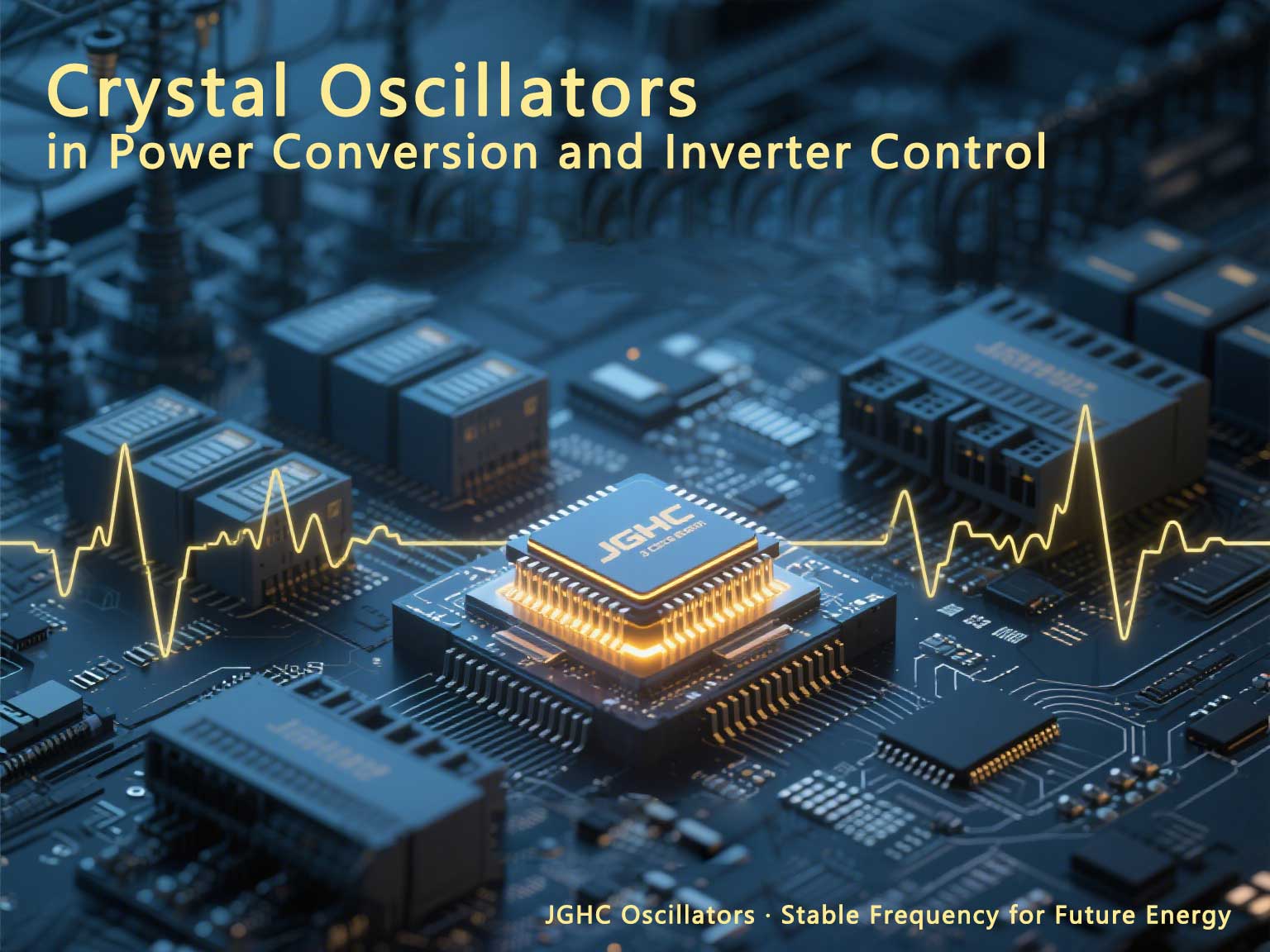
With the rapid growth of renewable energy, energy storage systems, and smart grids, power conversion and inverter control have become the core of the modern energy ecosystem. Inverters must efficiently and stably convert DC power into AC power while maintaining precise synchronization with the grid. In this process, crystal oscillators play an irreplaceable role.

The Application of Crystal Oscillators in Power Conversion and Inverter Control

Key roles of crystal oscillators in power conversion and inverter control include:

  1. Frequency Stability: Inverter control chips rely on crystal oscillators to provide accurate clock signals, ensuring the output AC frequency (50Hz/60Hz) matches the grid precisely.
  2. Phase Synchronization: For grid-connected operations, oscillators provide reference signals for phase detection and synchronization, preventing power quality issues or equipment damage.
  3. Data Communication: Within EMS and BMS, crystal oscillators ensure accurate timing for protocols such as CAN, RS485, and Ethernet, enabling efficient data exchange.
  4. Power Optimization: Oscillators support microcontrollers in achieving fast and stable PWM control, improving conversion efficiency and reducing energy loss.

Future Trends

As renewable energy and smart grid technologies continue to evolve, inverters and energy storage systems demand more advanced oscillator solutions:

  • High-Precision TCXO/OCXOEnsuring frequency stability under temperature variations and long-term operation.
  • Wide-Temperature and High-Reliability Packages: Designed for outdoor and harsh environments.
  • Low-Power OscillatorsSuitable for distributed energy storage and microgrid applications.

Crystal oscillators are not only the “hidden cornerstone” of power conversion and inverter control but also a key enabler for the safe and efficient operation of future energy systems.

1. Technological Breakthrough: 3500nits Brightness, Built for Outdoor Excellence

In the outdoor LED display industry, brightness is one of the most critical factors influencing visibility. Currently, most COB modules on the market offer 2000–3000nits for outdoor use—adequate for basic sunlight readability, but not always enough to maintain vivid clarity under extreme lighting.
CNLC’s latest COB P1.25 high-brightness module, powered by advanced packaging techniques and refined optical design, has achieved 3500nits brightness and passed rigorous outdoor performance certifications.
This significant leap ensures exceptional visibility even under intense midday sunlight, while maintaining vivid colors and fine details in cloudy, dusk, or backlit conditions—delivering an elevated visual experience for outdoor digital displays.


2. COB Advantages & Trends in Outdoor Applications

  • All-Day Readability
    High brightness combined with high contrast and anti-glare treatment ensures clear and sharp visuals under varying outdoor lighting conditions, from early morning to late evening.

  • Comprehensive Protection for Harsh Environments
    COB’s fully integrated packaging eliminates exposed lamp beads, significantly improving dust-proof, water-resistant, and impact-resistant performance—ideal for humid, dusty, and high-contact outdoor locations.

  • Breaking Boundaries for Ultra-Fine Outdoor Pitch
    Previously, pitches below P1.5 were largely limited to indoor environments. With 3500nits brightness, the P1.25 COB module brings ultra-fine image quality to outdoor settings, ideal for close-up viewing and high-definition advertising.

  • Longer Lifespan & Lower Maintenance
    Robust packaging protects chips from oxidation, static, and mechanical damage, while optimized thermal management ensures long-term stable performance in outdoor high-brightness operations, reducing maintenance and operating costs.


3. CNLC’s Outdoor-Focused R&D Direction

  • Pushing Brightness Boundaries
    Continue advancing COB brightness while maintaining efficiency and durability, meeting the demands of extreme lighting environments in high-end outdoor projects.

  • Efficient Thermal Management
    Develop next-generation cooling solutions to ensure stable operation and extended lifespan during prolonged high-brightness outdoor use.

  • Expanding Application Scenarios
    Drive COB adoption in outdoor billboards, smart city information displays, transportation hubs, retail storefronts, and sports stadiums.


4. Conclusion

The 3500nits COB P1.25 is not just a leap in brightness—it’s a milestone in ultra-fine outdoor LED display technology. It perfectly integrates high-definition image quality with all-weather visibility, setting a new standard for premium outdoor displays.
With the ongoing evolution of COB packaging technology, the next 3–5 years will see high-brightness, ultra-fine, fully protected outdoor COB displays become the market mainstream—ushering the LED display industry into a new era.

CNLC remains committed to driving innovation in outdoor display technology, delivering high-performance, reliable, and visually stunning solutions for clients worldwide.

1. The World Cup as a Global Advertising Stage


Every FIFA World Cup is more than a football tournament—it is also a global marketing festival. In 2026, the World Cup will be jointly hosted by the United States, Canada, and Mexico, marking the largest edition in history with 48 teams and 16 host cities. For sponsors, cities, and event organizers, this means massive demand for outdoor advertising displays that can deliver impact, reliability, and innovation.


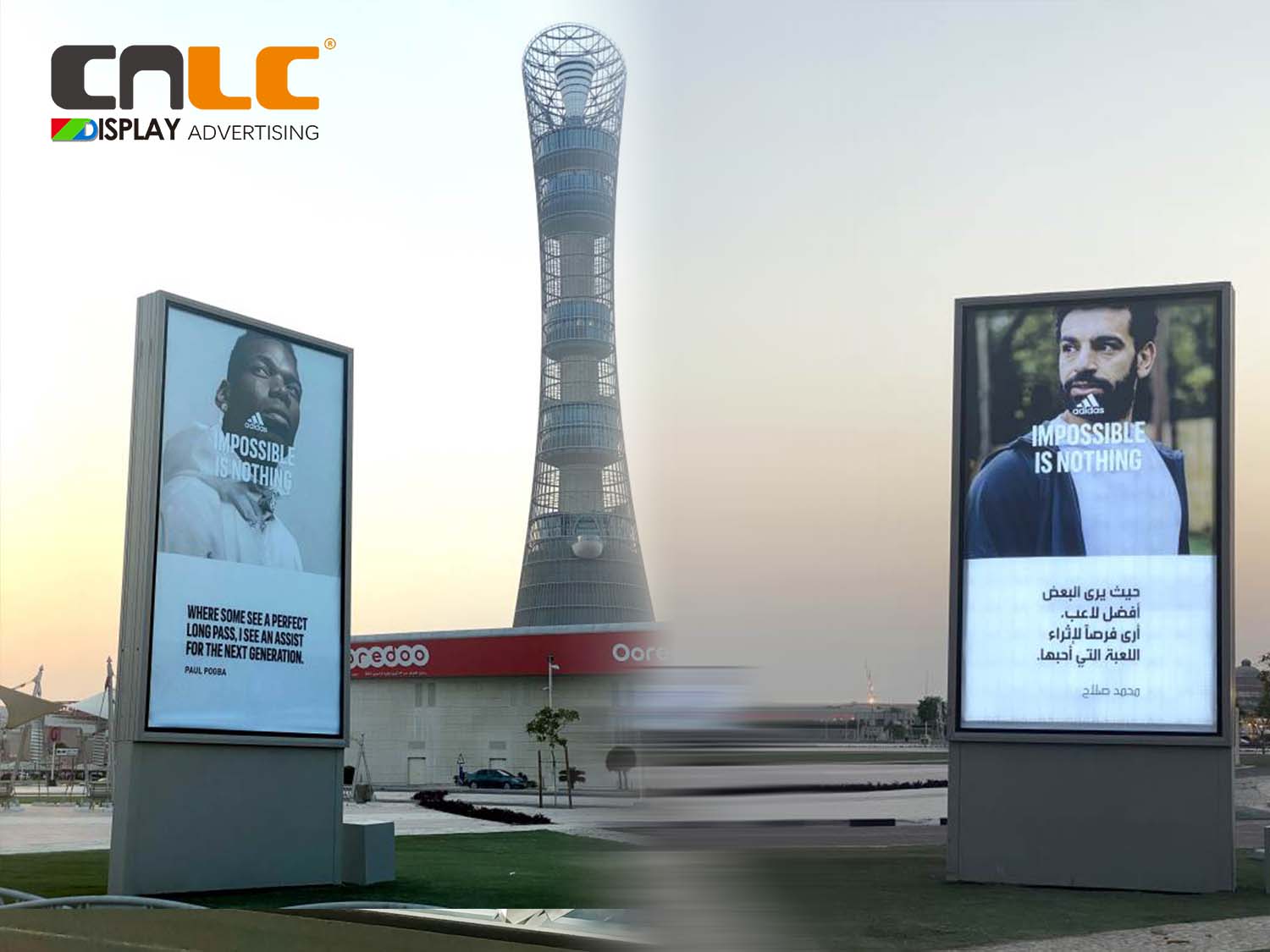
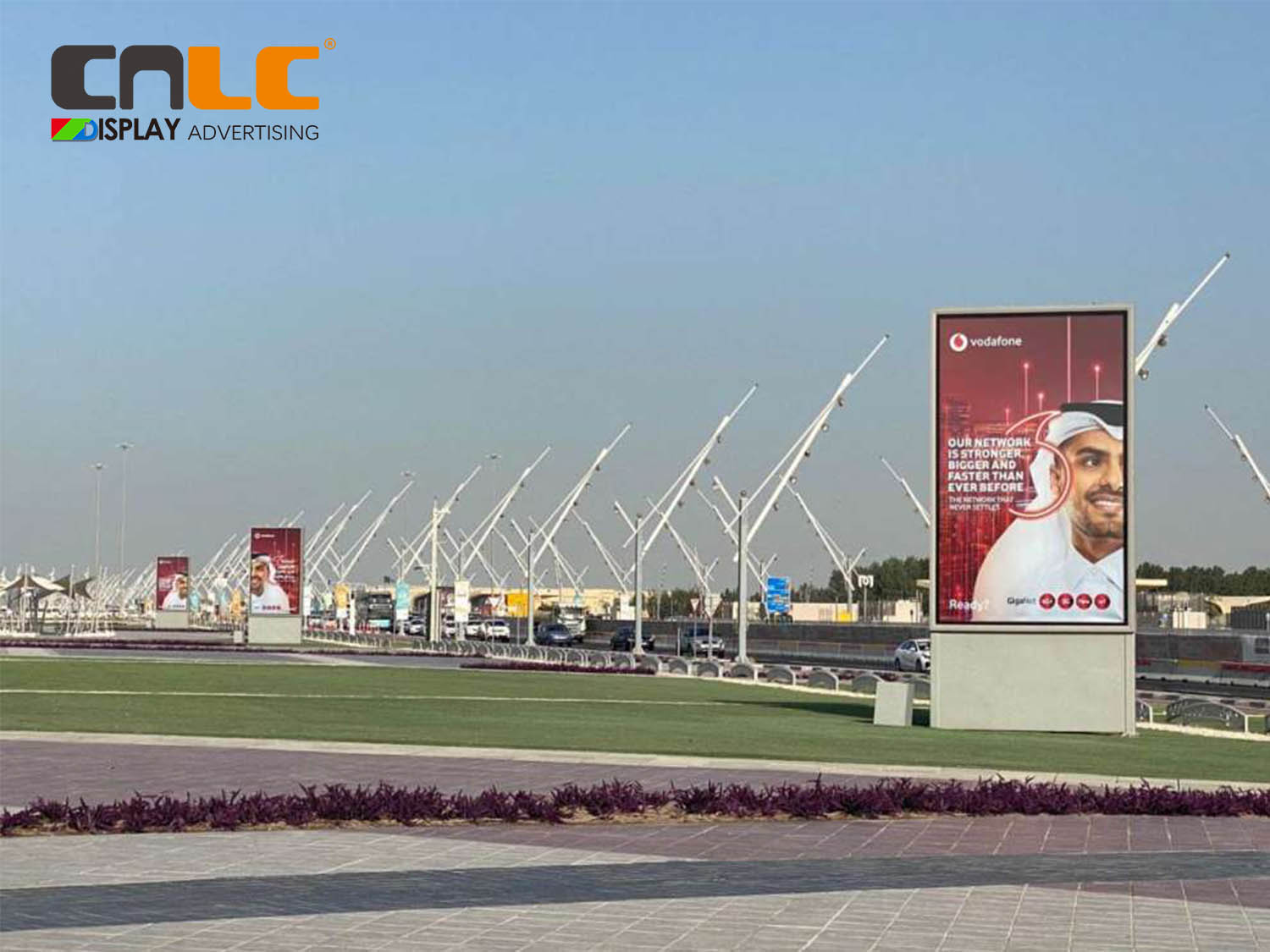
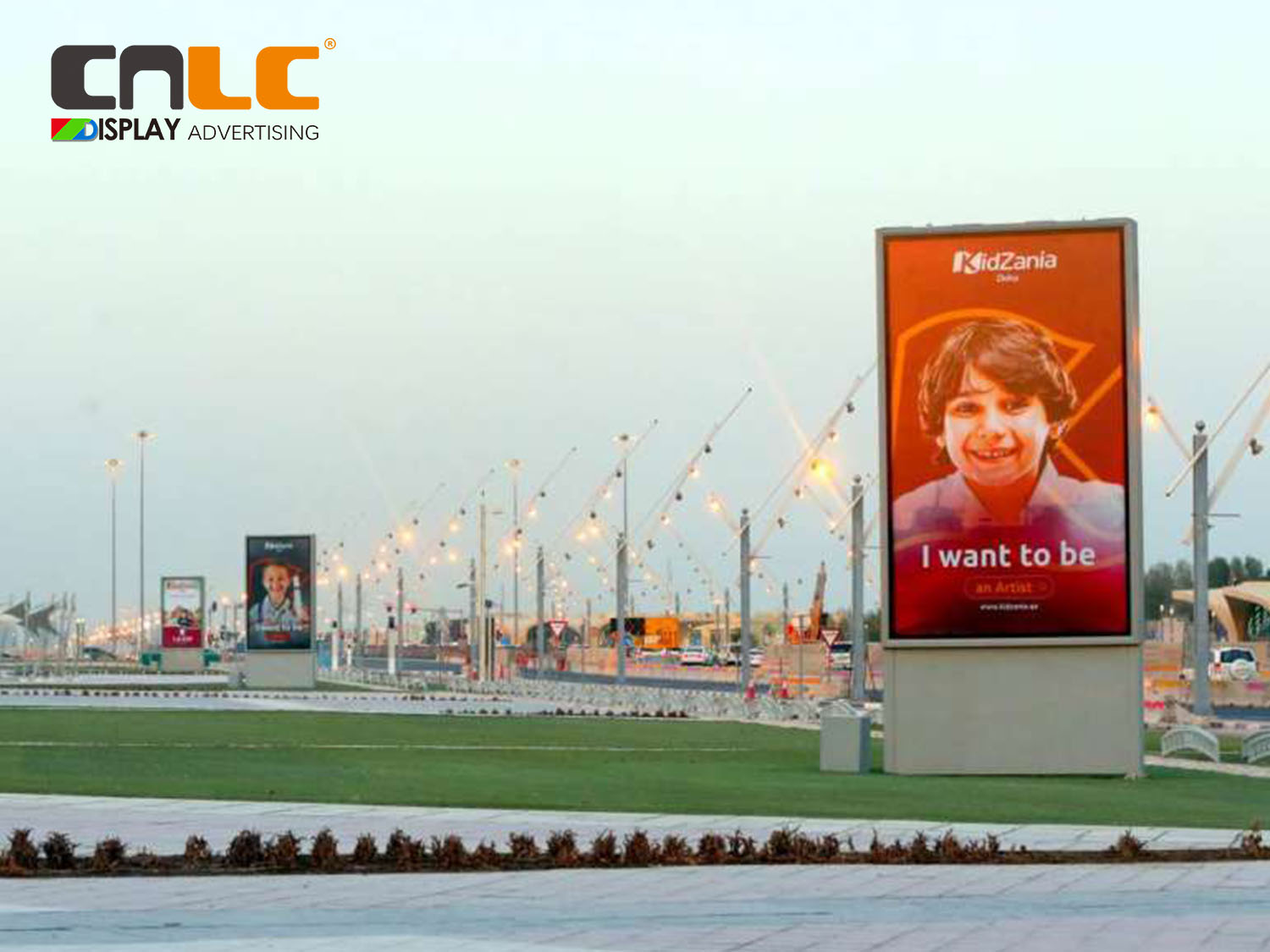
Dynamic light box installed at the main stadium entrance during FIFA World Cup 2022 in Qatar


  • Dynamic light box positioned at the exterior area of Qatar World Cup stadium
  • Dynamic light box around the stadium during FIFA World Cup 2022 in Qatar
  • Dynamic light box installed in the outer zone of the World Cup stadium in Qatar


2. Our Experience at Qatar 2022


At the 2022 World Cup in Qatar, CNLC successfully delivered dynamic light boxes that created a vibrant city atmosphere and amplified sponsor visibility. These projects proved our capability to provide customized, large-scale advertising solutions for world-class events.


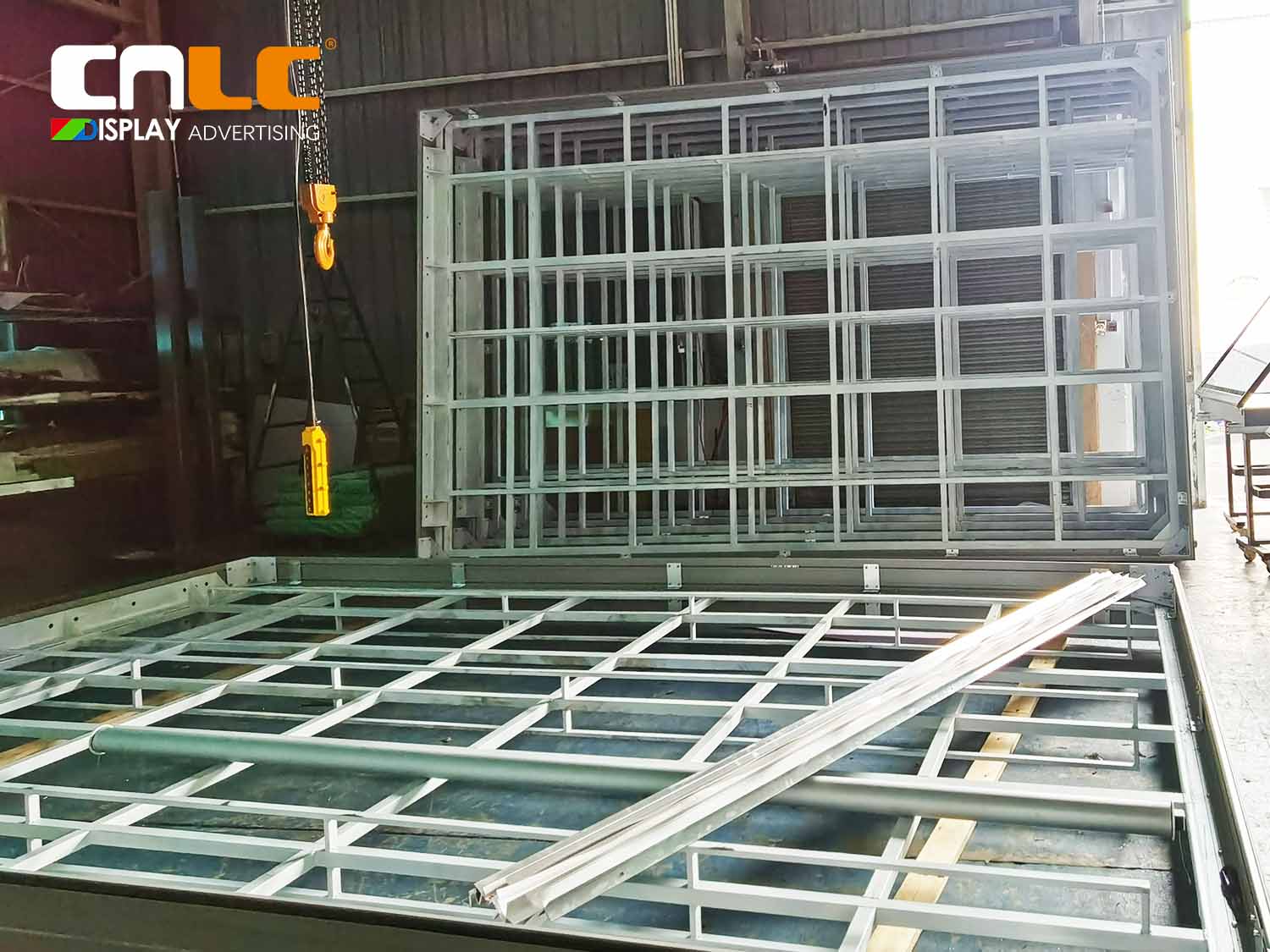
  • CNLC palletizing and loading dynamic light boxes for international shipping
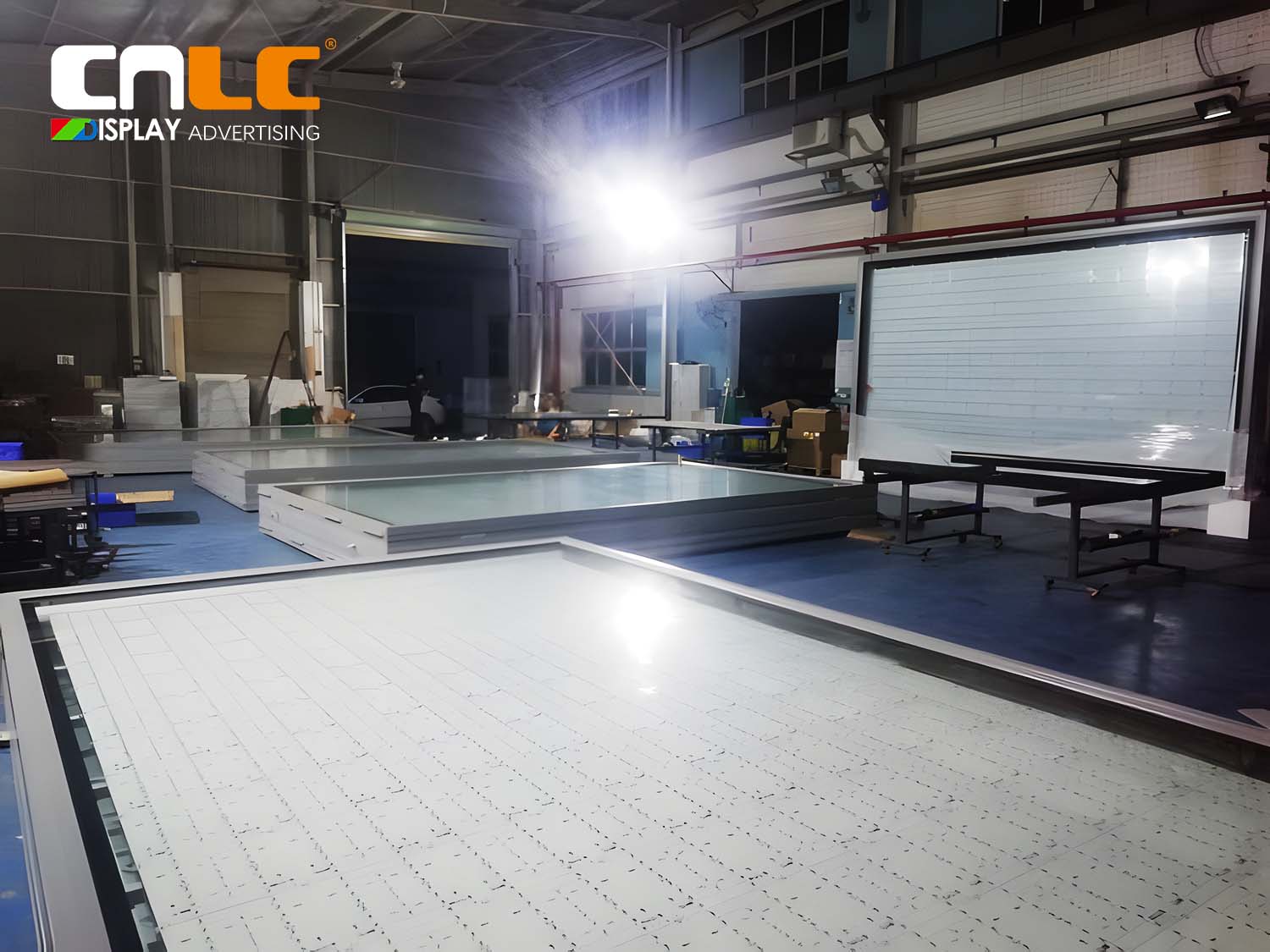
  • CNLC assembly of dynamic light box with wiring and LED modules
  • CNLC dynamic light box housing assembly and sealing
  • Completed CNLC dynamic light box undergoing final quality check
  • CNLC packaging dynamic light box for FIFA World Cup shipment
  • CNLC palletizing and loading dynamic light boxes for international shipping


3. Expanding Beyond Dynamic Light Boxes


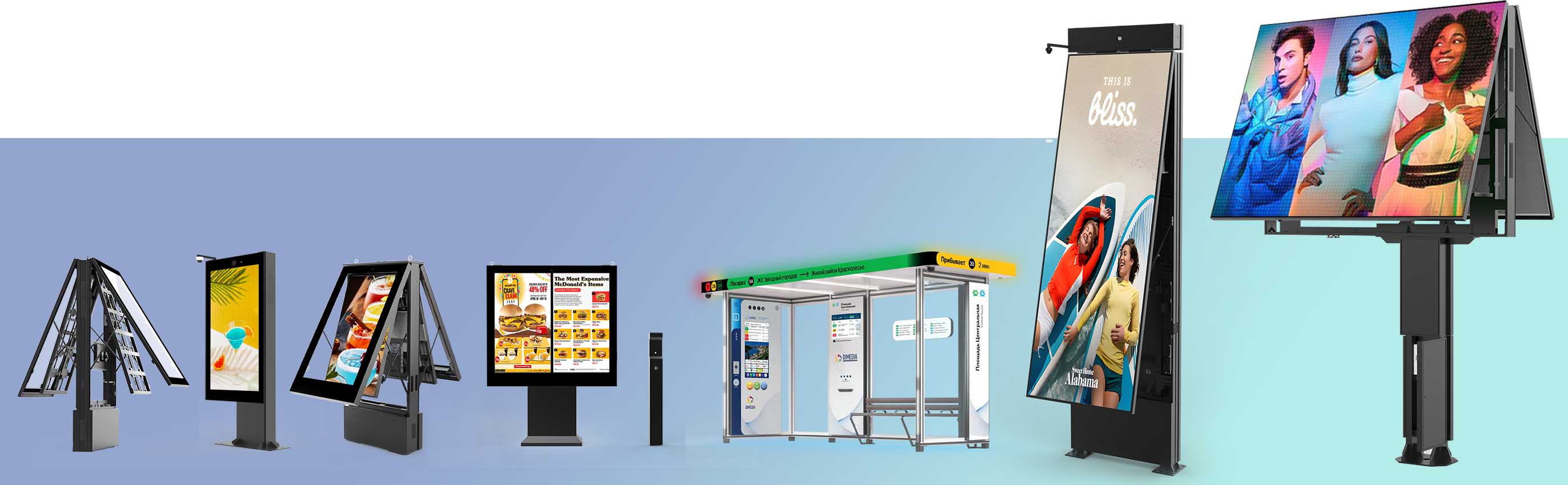
Building on our success in 2022, CNLC now offers a comprehensive portfolio of outdoor advertising products suitable for World Cup 2026 projects:

  • LED Billboards – High-brightness, weatherproof large displays for stadiums, highways, and fan zones.

  • LED Totems – Stylish vertical displays for streets, commercial districts, and public plazas.

  • LCD Digital Displays – Ultra-clear, high-definition signage for transport hubs, retail areas, and sponsor activations.

  • Dynamic Light Boxes – Dynamic illuminated signs that enhance atmosphere and attract crowds.

With these solutions, we support cities and brands in building a multi-layered advertising ecosystem that maximizes visibility during the World Cup.

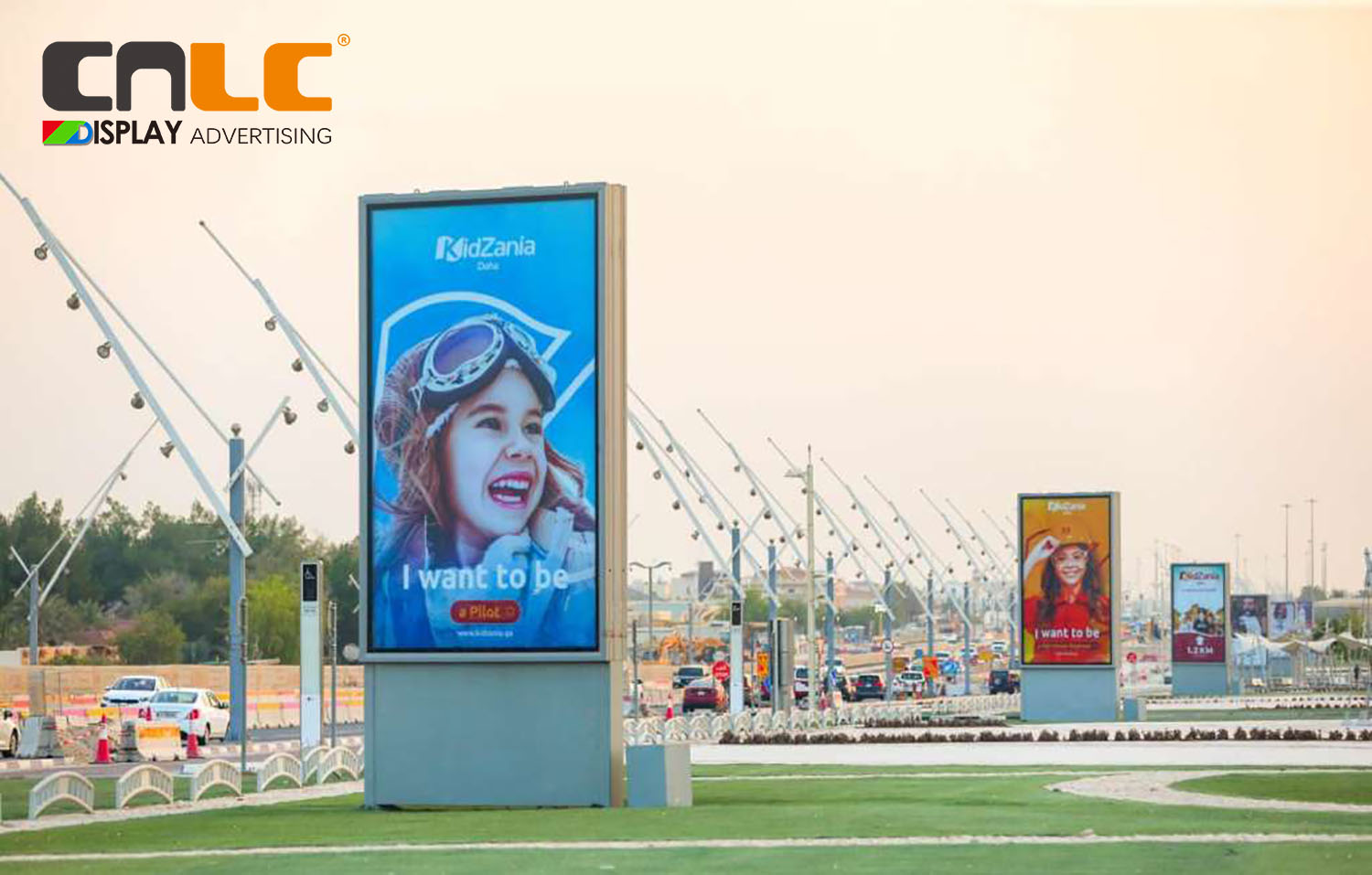
  • Comprehensive outdoor advertising solutions for global events


outdoor advertising solution


4. Opportunities for World Cup 2026 Host Cities


From New York and Los Angeles to Toronto and Mexico City, every host city will face unique advertising challenges and opportunities. CNLC products are designed to meet these needs:

  • High brightness and clarity for both daytime and nighttime visibility.

  • IP-rated, weatherproof structures to withstand outdoor conditions.

  • Energy-efficient LED and LCD technology supporting sustainability goals.

  • Customizable formats to match stadium, fan zone, and city branding requirements.


5. CNLC: Ready for World Cup 2026 Projects


With over 18 years of experience in outdoor advertising solutions, CNLC is ready to partner with event organizers, sponsors, and municipalities to deliver innovative, reliable, and visually striking displays for the 2026 FIFA World Cup.


6. Conclusion

The countdown to FIFA World Cup 2026 has already begun. Cities and sponsors aiming to capture global attention must invest in advanced advertising technologies. CNLC stands ready with LED billboards, LED totems, LCD displays, and dynamic light boxes, helping transform urban landscapes into unforgettable World Cup experiences.


👉 Contact CNLC today to discuss customized outdoor advertising solutions for FIFA World Cup 2026.


SMD, MIP, and COB: The Three Main LED Packaging Technologies You Should Know

In the LED display industry, packaging technology determines display performance, durability, and application range. Today, SMD (Surface Mounted Device), MIP (Mini LED in Package), and COB (Chip-on-Board) are the three most common technologies. Each has its strengths and ideal application scenarios. This article will help you understand their differences and choose the best option for your project.


1. SMD (Surface Mounted Device)

Technology
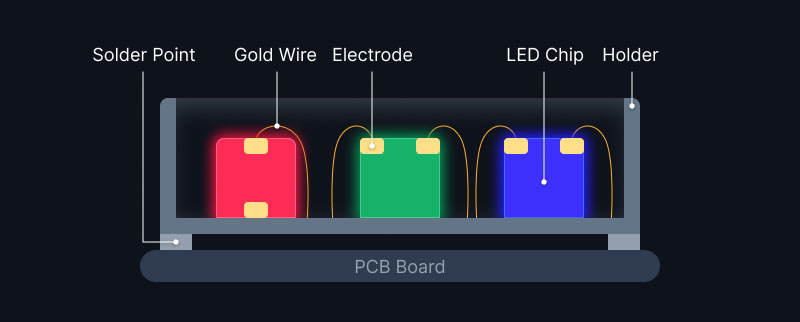
SMD LEDs are made by packaging red, green, and blue chips into a single LED unit, which is then mounted directly onto the PCB surface.

Advantages

  • Mature technology with lower manufacturing costs

  • Wide pixel pitch range, from P1.25 for indoor to P10 for outdoor

  • Easy maintenance—individual LED modules can be replaced

Limitations

  • Exposed surface makes it more vulnerable to impact or damage

  • Higher precision required for small pixel pitch

Best Applications
Outdoor billboards, rental stage screens, indoor conference displays, and other medium-to-large pixel pitch projects.

SMD Surface Mounted Device LED display module with RGB chips for indoor and outdoor applications


2. MIP (Mini LED in Package)

Technology
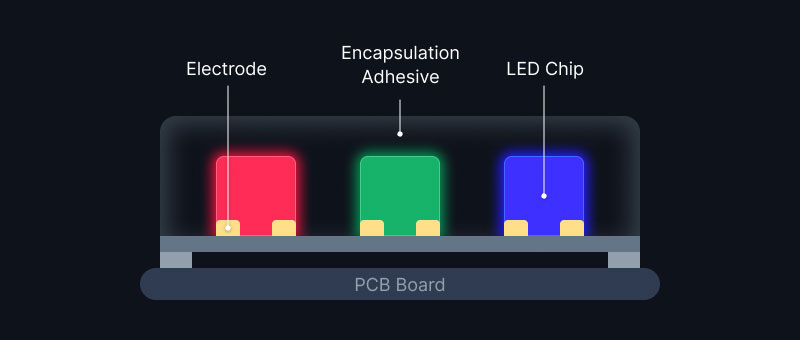
MIP bridges the gap between SMD and COB. Mini LED chips are packaged individually before being mounted onto the PCB, offering improved performance without fully integrating into the board like COB.

Advantages

  • Supports smaller pixel pitches (P0.x level)

  • Higher production yield compared to COB

  • Stable brightness and color uniformity

  • Easy to replace individual LEDs

Limitations

  • Higher cost than SMD

  • Technology still evolving

Best Applications
Premium indoor displays, broadcast studios, control rooms, and fine-pitch commercial screens.

MIP Mini LED in Package display module with fine pixel pitch for high-end indoor screens


3. COB (Chip-on-Board)

Technology
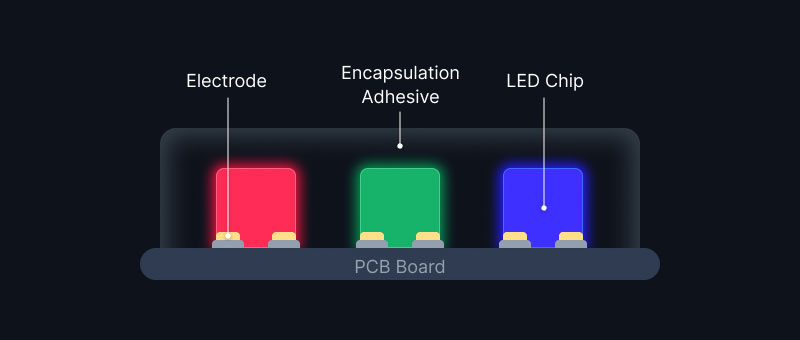
COB involves mounting bare LED chips directly onto the PCB and covering them with a protective layer, eliminating the traditional LED lamp package.

Advantages

  • Flat, seamless surface for better protection against dust, moisture, and impact

  • Ultra-high density, supporting pixel pitches as small as P0.4

  • Superior heat dissipation and extended lifespan

  • Higher durability for public environments

Limitations

  • More expensive to produce

  • Repair requires replacing the entire module

Best Applications
High-end control rooms, security monitoring centers, banking institutions, and flagship retail displays.

COB Chip-on-Board LED display module with seamless surface and high durability for ultra-fine pitch applications


4. Quick Comparison Table

Feature SMD MIP COB
Cost Low Medium High
Protection Medium Medium-High High
Maintenance Easy Easy Difficult
Pixel Pitch Range ≥P1.25 ≥P0.7 ≥P0.4
Brightness High High Medium-High
Applications Indoor + Outdoor Indoor High-End Indoor Ultra High-End


5. Market Trends

  • SMD will remain dominant in outdoor and large pixel pitch markets.

  • MIP is likely to become the preferred choice for small pixel pitch commercial displays.

  • COB will grow rapidly in ultra-fine pitch and high-protection displays.

As Mini LED and Micro LED technology continues to advance, we can expect higher resolution, lower power consumption, and improved durability across all display types. Choosing the right packaging technology will help balance cost, performance, and maintenance needs for your project.


Why Choose CNLC?

As a professional LED display manufacturer, CNLC offers SMD, MIP, and COB solutions for indoor and outdoor applications, from commercial advertising to control room installations. Whether you provide your own LED screen or require a complete turnkey solution, we can deliver custom manufacturing, integration, and after-sales support to ensure your project stands out in the market.

With a growing global population and increasing consumer demand for high-quality protein, the broiler farming industry is undergoing unprecedented change. As an efficient and sustainable production mode, large-scale farming is becoming the mainstream trend of modern broiler production. This blog will discuss the advantages of large-scale farming, key technologies, and future development directions.


First, the advantages of large-scale farming

*Improve production efficiency

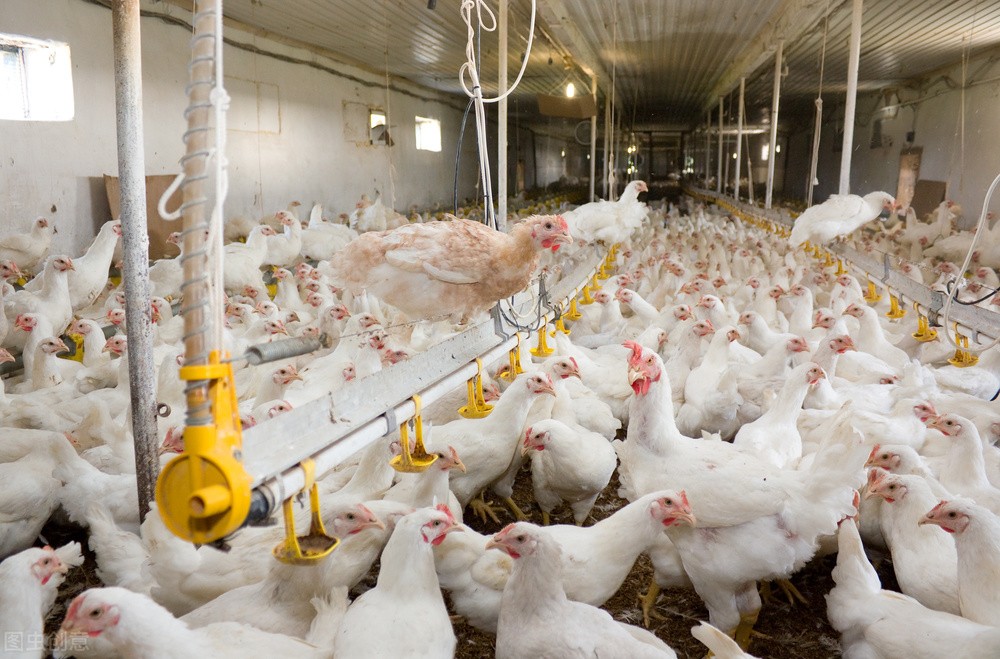
Large-scale farming has significantly improved production efficiency through centralized management, automated equipment and scientific feeding. Compared with the traditional free-range model, large-scale farming can significantly reduce labor costs and achieve a higher slaughtering rate.


*Ensure food safety

Large-scale farming enterprises usually adopt strict health management and quality control system, from feed, water to breeding environment, to ensure the safety of chicken products. In addition, large-scale farming also facilitates the implementation of a whole-process traceability system to ensure that the source of the product can be checked and the destination can be traced.


*Reduce production costs

Through centralized procurement of feed, vaccines and other production materials, large-scale farming can effectively reduce production costs per unit of product. At the same time, the application of automation equipment also reduces the waste of energy and resources.


*Promote sustainable development

Large-scale farming enterprises pay more attention to environmental protection and resource utilization efficiency. For example, the conversion of breeding waste into organic fertilizer or biogas through manure treatment technology not only reduces environmental pollution, but also realizes the recycling of resources.


Second, the key technology of large-scale farming

*Automation equipment

Modern large-scale farms widely use automated feeding, drinking, cleaning and environmental control systems. These devices not only improve production efficiency, but also reduce the error and risk caused by human operation.


*Scientific feeding management

Large-scale farming relies on scientific feeding management techniques, including precise nutritional formulations, staged feeding and disease prevention. Through data analysis and technical optimization, farming companies are able to achieve higher feed conversion rates and growth rates.


*Environmental control technology

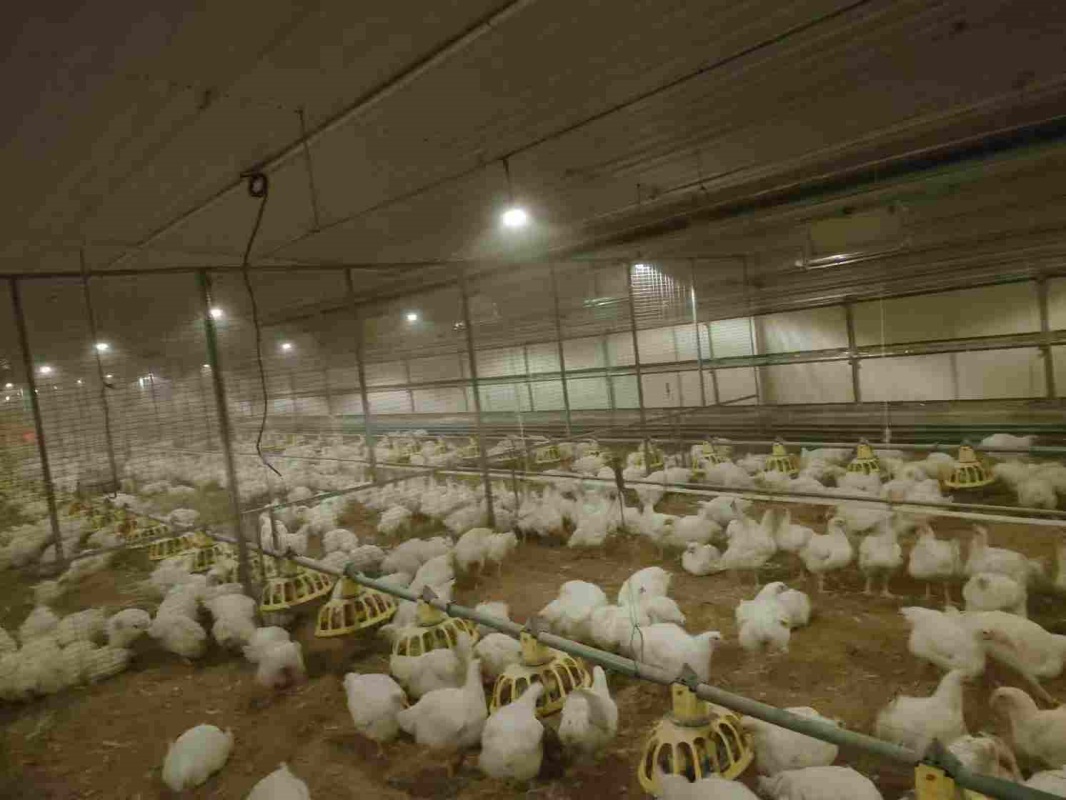
Large-scale farms are usually equipped with advanced temperature and humidity control, ventilation and lighting systems to provide the most suitable growing environment for broilers. This not only improves the health of the chickens, but also reduces the incidence of disease.


*Epidemic prevention and control system

Large-scale farming enterprises have established a sound disease prevention and control system, including regular vaccination, biosecurity measures and epidemic surveillance. These measures have effectively reduced the risk of disease outbreaks and ensured the stable operation of farms.


(This image is from the Internet.)


Third, the future development direction of large-scale farming

*Intelligent breeding

With the development of the Internet of Things, big data and artificial intelligence technology, intelligent farming will become the mainstream trend in the future. Through real-time monitoring and data analysis, farming companies can more accurately manage the production process, further improving efficiency and product quality.


*Green breeding

Consumers' demand for green and healthy food continues to grow, promoting the development of large-scale farming in the direction of green and environmental protection. For example, the promotion of organic feed and ecological cycle models will become an important direction in the future.


*Integration of the whole industrial chain

Large-scale farming enterprises will further extend upward and downstream, forming a whole industry chain model from breeding chickens, feed production to slaughter and processing, and food sales. This not only improves the enterprise's anti-risk ability, but also enhances the market competitiveness.


*International cooperation and standardization

With the acceleration of globalization, large-scale farming enterprises will strengthen cooperation with international advanced enterprises and introduce advanced technology and management experience. At the same time, promote the standardization of the industry and enhance the international competitiveness of broiler products.


Large-scale farming is the inevitable choice for modern broiler production, which not only improves production efficiency and product quality, but also provides strong support for the sustainable development of the industry. For poultry farming companies, seizing this trend, continuous innovation and optimization will be the key to winning the future market.


While on the road to large-scale farming, improving poultry lighting is an essential part. Now using our latest Poultry Lighting Control series products, you can easily achieve Intelligent Management Of Poultry Lighting, including brightness adjustment, time determination, color temperature change, single area control, etc. By using our poultry lighting control products, you can improve production efficiency and reduce the error and risk caused by human operation, further increase the production efficiency of poultry farming.


In modern poultry farming, light management is a crucial aspect. Poultry farm lighting not only provides necessary illumination for birds but also enhances their growth rate, egg production, and overall health through scientific light regulation. This article explores the importance of poultry farm lighting and its practical applications in farming.


1. The Impact of Light on Poultry

Light is a significant factor influencing the physiology and behavior of poultry. Appropriate light stimulates the visual system of birds, thereby affecting their endocrine system and promoting the secretion of growth hormones. For laying hens, the duration of light directly affects their laying cycle. For instance, extending light exposure can stimulate ovarian development, thereby increasing egg production. For broilers, proper lighting can enhance their appetite and accelerate growth.


2. Types of Poultry Farm Lighting

The commonly used types of lighting in poultry farms include:

  • LED Lights: LED lights are energy-efficient, long-lasting, and provide stable light, making them the most commonly used light source in poultry farming. LED lights can adjust light intensity and color temperature according to the growth stages of poultry, meeting various needs.

  • Fluorescent Lights: Fluorescent lights are cost-effective but consume more energy and provide less stable light, which can easily cause stress in poultry.

  • Incandescent Lights: Incandescent lights offer soft light but are energy-intensive and have a short lifespan, gradually being phased out.


3. Light Management Strategies

Scientific light management is key to improving poultry farming efficiency. Here are some common light management strategies:

  • Light Duration Control of LED Poultry Lights: For laying hens, a 16-hour light and 8-hour dark cycle is typically used to stimulate egg production. For broilers, intermittent lighting can be applied, providing several short light exposures daily to promote growth.

  • Light Intensity Adjustment of LED Poultry Lights: Poultry at different growth stages require varying light intensities. For example, chicks need stronger light to encourage activity and feeding, while adult birds require weaker light to reduce stress.

  • Color Temperature Selection of LED Poultry Lights: Different color temperatures affect poultry differently. Warm-toned light (e.g., red) promotes calmness and rest, while cool-toned light (e.g., blue) stimulates activity.


4. Future Developments in Poultry Farm Lighting

With technological advancements, poultry farm lighting is continuously evolving. Intelligent Poultry Lighting Systems have begun to be used in some large-scale poultry farms. These systems can automatically adjust light intensity and duration based on parameters such as growth stage, environmental temperature, and humidity, achieving precise management. Additionally, new light sources like full-spectrum LED lights are gradually being promoted, simulating natural light to provide a healthier lighting environment for poultry.


Conclusion

Poultry farm lighting plays an indispensable role in modern poultry farming. Through scientific light management, not only can the growth rate and egg production of poultry be enhanced, but their overall health can also be improved. With ongoing technological progress, future lighting systems will become more intelligent and efficient, bringing greater economic benefits to the poultry farming industry.


keyboard_arrow_up