Precision air conditioners are vital in environments where stable temperature and humidity are crucial—such as data centers, telecom rooms, laboratories, and industrial automation sites. At Coolnet, we follow a rigorous 10-step quality inspection process during product assembly to ensure every unit meets international standards, operates reliably, and performs efficiently over the long term.

Here’s a breakdown of our 
Precision Air Conditioner Assembly Process Inspection Checklist:Precision Air Conditioner Assembly Process
1. Rack Installation
We begin with structural alignment and surface quality:
  • The base, top frame, and vertical posts are aligned on the same plane with a diagonal tolerance within 3mm.
  • The rack’s surface must be uniform in color and free from scratches, dents, oil stains, or paint defects.
  • All screws must be present and tightened; no missing, extra, or loose fasteners are allowed.
 
2. Major Component Installation
Consistency is key to performance and compliance:
  • All key components and internal structures must match the BOM and certification inspection reports (e.g., 5C, energy-saving standards).
  • Compressors, evaporators, fans, and trays are checked for correct model, installation position, torque force, and structural integrity.
  • Anti-vibration pads, sealant applications, and clearance gaps are verified to meet assembly specifications.
 
3. Piping, Welding, and Component Orientation
Every pipeline and valve is carefully reviewed:
  • Check valves, solenoids, and dryers must be oriented as per design drawings; sight glasses must be visible and correctly aligned.
  • All welded connections must be full and free of defects, with nitrogen protection during welding and cleaning afterward.
  • Copper pipes must be properly routed, with no interference and a minimum 10mm spacing between each other.
 
4. Airtight Components Installation
Critical pressure-sensitive devices are installed with precision:
  • High- and low-pressure switches are positioned and secured according to the BOM and layout drawings.
  • Differential pressure switches are installed with model verification and setting adjustments.
 
5. Pressure Holding and Airtightness Testing
Leak-proof performance is mandatory:
  • Initial and secondary nitrogen pressure tests are conducted.
  • Units must pass airtightness checks with no pressure drop, leakage, or water seepage.
  • Failed units are re-welded and re-tested to ensure complete sealing.
 
6. Insulation Wrapping
Energy efficiency depends on proper insulation:
  • Pipes must be fully wrapped with insulation sleeves, leaving no gaps, tears, or loose fittings.
  • Insulation in the electrical control box and drain tray areas must comply with engineering standards.
 
7. Secondary Component Installation
Smaller parts are equally important:
  • Temperature sensors are installed in the correct position and coated with thermal paste where needed.
  • Heaters and humidifiers must match the BOM and be tightly secured, with sealed water connections and no deformation.
  • Filters must be easily accessible, match the BOM, and be installed correctly.
 
8. Electrical Control Assembly
Our electrical quality checks cover layout, functionality, and safety:
  • Electrical cabinets and all internal components must align with BOM specifications.
  • Wiring is routed neatly, labeled clearly, and firmly connected.
  • All devices must be operational, with function labels and no loose terminals.
 
9. Door Panels and Component Installation
External structure must be robust and user-friendly:
  • Door panels must be insulated, smooth, and free from defects such as scratches or dents.
  • Operation screens and door locks must function smoothly, and structural gaps must be ≤2mm.
  • Ground wires (PE) must be correctly connected.
 
10. Labeling, Gas Filling, and Final Cleaning
Final quality assurance steps include:
  • Filling indoor and outdoor units with nitrogen gas.
  • Applying product labels, electrical safety warnings, and gas indicators accurately and firmly.
  • Performing full internal and external cleaning—no oil, dust, or foreign objects allowed.
  • Manually rotating fan blades to check for abnormal sounds or interference.
 
Conclusion: Excellence from the Inside Out

From framework assembly to airtightness testing and final cleaning, every step in our precision air conditioner production process reflects our commitment to craftsmanship, compliance, and customer satisfaction. Whether you’re looking for standard models or tailored solutions, Coolnet delivers air conditioning systems you can trust.

Contact the Coolnet team for expert consultation and tailored solutions.
Email: info@coolnetsystem.com
Tel/Whatsapp: +86- 18326091011

Magnetic cores are vital components in electronics, essential for efficient energy conversion in transformers, inductors, and chokes. The right core material significantly impacts a device's performance, efficiency, size, and cost. This article compares two key materials: traditional ferrite cores and advanced nanocrystalline cores.

1. What Are Ferrite and Nanocrystalline Cores?

Understanding their basic structure is key to their properties.

Ferrite Cores: The Established Workhorse

Ferrite cores are dense ceramic structures made primarily from iron oxide (Fe2O3) mixed with other metal oxides like manganese, zinc, nickel, or magnesium. These mixtures are shaped and fired at high temperatures (around 1300°C). Their high electrical resistivity minimizes eddy current losses, making them ideal for low-frequency applications. Ferrites offer design flexibility and can be molded into various shapes, including U-cores low power allpications. MnZn ferrites are typically used below 5 MHz, while NiZn ferrites suit  0.01MHz up to 20MHz.


Nanocrystalline Cores: The High-Performance Innovator

Nanocrystalline cores are advanced soft magnetic materials with exceptionally small grain sizes, typically 10 to 20 nanometers.Their metallic alloy composition is mainly iron (Fe) with additions of silicon (Si), boron (B), niobium (Nb), and copper (Cu).They are manufactured by rapidly solidifying molten metal into an amorphous ribbon, then precisely heat-treating it to induce nano-crystallization.This nanoscale structure results in remarkably low core loss, low magnetostriction, high saturation induction, and very high initial permeability,over 80Kμm at 10KHz and over 20Kμm at 100KHz.They also exhibit excellent thermal stability from -40 to 120 degree celsius.

2. Ferrite vs. Nanocrystalline: A Performance Showdown

Nanocrystalline materials generally outperform ferrite cores in critical magnetic properties, though ferrite retains specific advantages.

Advantage of Nanocrystalline Core

Nanocrystalline cores offer significant performance benefits:

Permeability: Nanocrystalline materials have significantly higher permeability, often ten times that of ferrite cores.This allows for smaller, more efficient components with fewer turns.

Saturation Flux Density (Bs): Nanocrystalline cores boast a much higher saturation flux density (1.2 T to 1.32 T) compared to ferrite cores (around 0.3 T to 0.49 T for MnZn ferrite).This means they can handle stronger magnetic fields without saturating, enabling more powerful designs.

Core Loss: A major advantage of nanocrystalline core is their significantly lower core losses across a wide frequency range. This leads to enhanced energy efficiency, less heat generation, and simpler thermal management.

Frequency Response: Nanocrystalline cores offer a broadband frequency range and maintain properties at very high frequencies, such as 20MHz in transformers, due to vanishingly low magnetostriction.

Thermal Stability: Nanocrystalline cores show superior thermal stability, with stable core loss from -40°C to 140°C and a high Curie temperature around 570°C. Ferrite core loss can vary more with temperature.

Size & Weight: The superior magnetic properties of nanocrystalline cores enable smaller and lighter components, leading to higher power density (e.g., up to 12 W/cm³ compared to 6 W/cm³ for ferrite transformers).This is crucial for miniaturization.

Where Ferrite Remains a Strong Choice & Considerations

Despite nanocrystalline's superior performance, ferrite cores remain relevant:

Cost-Effectiveness: Ferrite cores are generally more economical and easier to produce.While nanocrystalline cores offer higher performance, they typically have a higher upfront cost.


Specific Application Suitability: For simpler EMI noise scenarios with low energy or single frequencies, inexpensive ferrite cores are often sufficient and more cost-effective.


High Permeability Challenge: The extremely high permeability of nanocrystalline cores can sometimes lead to saturation issues in specific toroidal core designs, where a ferrite material with low permeability might be more effective.


Table 1: Ferrite vs. Nanocrystalline Core Comparison

Property

Ferrite Core

Nanocrystalline Core

Composition

Ceramic (Iron Oxide + Mn/Zn/Ni/Mg oxides)

Metallic Alloy (Fe, Si, B, Nb, Cu)

Typical Grain Size

Micrometers

Nanometer range (10-20 nm)

Permeability (µ)

Lower (e.g., 5000+ for MnZn)

Very High (e.g., 20,000 – 200,000µ)

Saturation Flux Density (Bs)

Lower (e.g., 0.3-0.49 T)

Higher (e.g., 1.2-1.25 T)

Core Loss (relative)

Higher

Very Low (e.g., 1000x reduction vs SiFe)

Frequency Range

Up to 20KHz (MnZn <5MHz)

Broadband (up to 20MHz for

Thermal Stability

Less stable (loss varies with temperature)

Excellent (stable -40°C to 140°C, high Curie ~570°C)

Typical Cost (relative)

Lower

Higher

Size Implication

Larger components

Smaller/Lighter components

In a military-grade three-phase switching power supply project, the customer originally used four high-performance ferrite magnetic cores (φ130 × φ70 × 50 mm). These were successfully replaced by a single conventional nanocrystalline core (φ130 × φ90 × 30 mm). The change not only reduced the number of components but also enhanced overall system performance and thermal reliability.

Key highlights of this case include:

- Structural optimization: 4× Ferrite cores → 1× Nanocrystalline core

- Size & Weight: Despite larger individual size, only one nanocrystalline core was needed

- Performance: Improved efficiency and temperature control at 100 A operating current

- Design Margin: The system maintained performance redundancy, enhancing long-term reliability

 ferrite core vs nanocrystalline core

3. Applications: Where Each Core Excels

The distinct properties of ferrite core and nanocrystalline core make them suitable for different applications.

Ferrite Core Applications

Ferrite cores are widely used due to their reliability and cost-effectiveness:

General low-Frequency Applications: low-frequency transformers, wideband transformers, adjustable inductors.

Power Applications: Power transformers , converter/inverter transformers, voltage converters, output chokes, and Switched-Mode Power Supplies (SMPS).

Noise and Interference Suppression: Noise filters and EMI line filters, especially for simpler EMI scenarios.

Sensing and Control: Measuring and instrumentation transformers, electric fencing, motor speed control, loading sensing, earth leakage sensing, and LED drivers.


Nanocrystalline Core Applications

Nanocrystalline cores are used in cutting-edge, high-performance applications where efficiency and miniaturization are critical:

Advanced Power Electronics: High-performance power transformers, inductors, and chokes for compact, lightweight designs, ideal for high current output inverters.

Electric Vehicles (EVs): Crucial in EV chargers, motor drives, and battery management systems, minimizing energy losses for faster charging and extended range.

Renewable Energy Systems: Improved performance at high frequencies for efficient power conversion.

Current and Magnetic Sensors: High sensitivity and accuracy due to excellent magnetic properties.

Complex EMI Suppression: Excel in EMI suppression and common mode chokes for high-energy or multi-frequency noise due to high impedance and wide effective frequency band.

Telecommunications: Contribute to faster data transfer and more compact, reliable equipment by minimizing signal distortion and handling high power densities.

Other High-Performance Fields: UPS systems , medical imaging (MRI) , and aerospace.


4. Powering Innovation with the Right Core

Choosing the optimal magnetic core is a strategic decision impacting design success and competitiveness.

Dongguan JH Amorphous is committed to tailored solutions, from standard offerings to custom configurations. Our engineering support is available at every stage to ensure optimal results. Partner with us to achieve your design goals and ensure the reliability of your electronic systems.

Contact our experts today to discuss your project requirements and explore our range of high-quality magnetic core solutions.


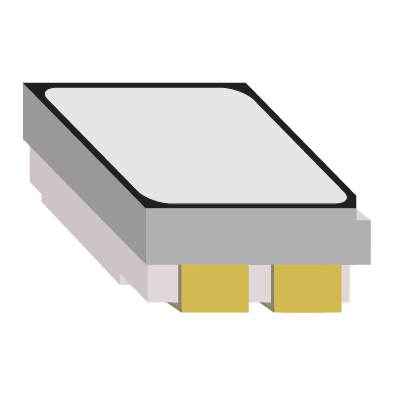
LTCC (Low-Temperature Co-fired Ceramic) filters typically support a wide range of frequencies, depending on their design and application. Generally, they cover the following frequency ranges:


1. HF to Microwave Bands – LTCC filters commonly operate from a few MHz up to tens of GHz.

2. Common Ranges:


  • Sub-6 GHz (100 MHz~6 GHz) – Widely used in wireless communications (e.g., Wi-Fi, 4G/5G, Bluetooth, GPS).
  • Millimeter-Wave (24 GHz~100 GHz+) – Some advanced LTCC filters support 5G mmWave and automotive radar applications.


3. Specific Applications:


  • Bluetooth/Wi-Fi (2.4 GHz, 5 GHz)
  • Cellular (700 MHz~3.5 GHz for 4G/5G)
  • GPS (1.2 GHz, 1.5 GHz)
  • Automotive Radar (24 GHz,77 GHz,79 GHz)


LTCC technology allows for compact, high-performance filters with good thermal stability, making them suitable for RF and microwave systems. The exact frequency range depends on the material properties, resonator design, and manufacturing precision.


Specifications of Yun Micro's LTCC filters:LTCC Filter

Gold Wire Bonding LTCC Filter

Parameter:

Frequency range:1 GHz~ 20GHz(BPF)

3dB BW:5%~ 50%

Size: Length 4~ 10mm,Width 4~7mm,High 2mm

Good product consistency

Small volume, Surface Mountable or Wire or Ribbon Bonds


Surface Mount LTCC Filter

Parameter:

Frequency range:80MHz~9GHz (LPF),140MHz~ 7GHz (BPF)

3dB BW:5%~50%

Size: Length 3.2~9mm,Width 1.6~5mm,High 0.9~2mm

Good product consistency

Small volume, Surface Mountable or Wire or Ribbon Bonds


Yun Micro, as the professional manufacturer of rf passive components, can offer the cavity filters up 40GHz,which include band pass filter, low pass filter, high pass filter, band stop filter.


Welcome to contact us: liyong@blmicrowave.com

The Integrated Systems Europe (ISE) 2025 is in full swing, and CNLC is proud to be part of this global event, showcasing our latest LED & LCD digital signage solutions. As a leader in outdoor digital advertising displays, CNLC continues to push the boundaries of innovation, delivering high-brightness, durable, and energy-efficient signage solutions for various industries.


Whether you’re looking for weather-resistant LED billboards, smart city digital displays, or high-impact retail signage, CNLC is here to transform your digital advertising strategy.


Why CNLC’s Digital Signage Stands Out at ISE 2025


At ISE 2025, Hall 5 - 5R550, CNLC is unveiling its latest advancements in aluminum-structured digital signage. Our industry-leading displays are designed to perform in challenging outdoor environments, ensuring high visibility, durability, and efficiency.


Key Features of CNLC’s Digital Signage Solutions:


✅ High-brightness LED & LCD displays for enhanced visibility in all lighting conditions
✅ Aluminum-structured enclosures for superior durability and heat dissipation
✅ IP-rated weatherproof designs to withstand rain, dust, and extreme temperatures
✅ Energy-efficient technology, reducing operational costs
✅ Smart connectivity options, including remote content management and interactive displays
✅ SKD (Semi-Knocked Down) design for flexible assembly and cost-effective shipping


Our team has been actively engaging with industry professionals, discussing how digital signage is shaping the future of advertising, smart cities, and public information systems.


Experience CNLC’s Latest Digital Signage Innovations


ISE is the ultimate platform to explore cutting-edge display technology. If you haven’t visited us yet, there’s still time to experience our high-performance LED & LCD solutions at Hall 5 - 5R550. Our expert team is ready to provide live demonstrations, answer your questions, and discuss customized digital signage solutions for your business.


Watch Our ISE 2025 Highlights!


Couldn’t make it to the event? Don’t worry! We’ve captured all the action—watch our event highlights video to see our digital signage solutions in action and hear from our team of experts.


Let’s Stay Connected!


ISE 2025 may be coming to an end, but our commitment to revolutionizing digital signage continues. If you’re looking for customized LED & LCD display solutions for your business, get in touch with CNLC today!


? Contact us for product inquiries and partnerships: Click Here

? Explore our full product range: Visit Our Website


? Join us at ISE 2025, Hall 5 - 5R550, and discover the future of digital signage!


About CNLC

With over 18 years of experience, CNLC is a trusted OEM/ODM manufacturer of outdoor digital signage solutions. Our high-brightness LED & LCD displays are widely used in smart cities, transportation hubs, retail, and outdoor advertising. We are committed to quality, innovation, and sustainability, helping businesses worldwide enhance their digital advertising strategies.

At CNLC, durability is engineered from the inside out. Our outdoor LED display products are built on a high-strength aluminum structure, offering superior heat dissipation, corrosion resistance, and structural stability in extreme weather. But beyond the outer shell, what truly ensures long-term performance lies within — the reliability of the LED module.


Whether used in outdoor LED billboards, smart city pole displays, or rental LED screens, every CNLC module is manufactured with strict structural testing, precise glue dispensing, and mechanical reinforcement. In this article, we present test results from our P2.976 SMD1415 module (250×500mm) to illustrate the quality control system applied across all CNLC LED modules.


🔹 Why Glue Dispensing Matters in Outdoor LED Module Design

All CNLC outdoor LED modules use precise glue dispensing along the PCB edges (not on LED surfaces), which significantly enhances:

  • Waterproof sealing (higher IP rating)

  • Structural reinforcement (anti-vibration and anti-deformation)

  • Anti-drop protection for LED lamps during transport and impact


🔹 Real Test Data: Push Force Before & After Glue Application

To verify glue reinforcement, we performed push force tests on a P2.976 module before and after glue application. Results show substantial strength improvements across both sides:


Module Side Before Glue After Glue
Pin Side 2.6–3.0 kg.f 4.8–5.5 kg.f
Non-Pin Side 2.4–2.6 kg.f 4.7–6.14 kg.f


This level of reinforcement is applied across all CNLC modules, making our products more resistant to physical stress, transportation shock, and thermal expansion.


🔹 High-Temperature Curing Process Ensures Bonding Stability

After glue application, all CNLC LED modules are placed in 130°C curing ovens for 40 minutes, ensuring full adhesive bonding and long-term durability:


✅ CNLC LED Modules: Built for Harsh Outdoor Environments

With glue dispensing, push-pull force testing, and high-temperature curing as standard practices, CNLC applies a unified manufacturing protocol across all LED modules, regardless of pixel pitch or screen size.


CNLC always starts with the structural integrity of the LED module to ensure the safety, stability, and long-term reliability of the display during outdoor operation.

With our in-house SMT factory, fully automated module production lines, and high-temperature curing process, we achieve a vertically integrated manufacturing workflow — from component placement to finished module delivery — providing customers with higher-quality and more efficient LED module solutions.


When it comes to outdoor digital displays, durability and visibility are key. The CNLC Outdoor TV is designed to withstand harsh weather conditions while delivering exceptional image clarity. Whether for residential entertainment, commercial advertising, or corporate displays, this high-performance screen ensures a seamless viewing experience in any outdoor setting.


CNLC Outdoor TV


Why Choose CNLC Outdoor TV?


1. Built for Outdoor Durability

With an IP56 rating, the CNLC Outdoor TV is engineered to resist rain, dust, and extreme temperatures, making it ideal for year-round outdoor use.

2. Crystal-Clear Visuals with P1.25 COB Technology

Featuring P1.25 COB (Chip-on-Board) LED technology, this display delivers sharp, high-resolution images with vibrant colors, ensuring an immersive viewing experience.

3. Anti-Reflective Glass for Sunlight Visibility

Outdoor screens often struggle with glare, but our anti-reflective glass minimizes reflections, providing clear visibility even in direct sunlight.

4. Sturdy & Lightweight Aluminum Profile Frame

The aluminum profile frame offers a lightweight yet durable structure, ensuring longevity and easy transportation.

5. Easy Installation & Mobility

Designed with a freestanding structure, the CNLC Outdoor TV allows for quick installation and effortless relocation, making it a versatile solution for various outdoor applications.


Perfect for Various Outdoor Scenarios


? Residential Entertainment – Enjoy movie nights by the pool or in your backyard.
? Commercial Advertising – Capture attention in high-traffic outdoor areas.
? Corporate Displays – Ideal for outdoor business promotions and digital signage.


Upgrade Your Outdoor Viewing Experience Today!

For inquiries and orders, visit www.cnlcdisplay.com or contact us at info@cnlcdisplay.com.
 

As quick-service restaurants (QSRs) continue to boom across the Middle East, many brands are turning to advanced Drive Thru Digital Menu Board solutions to enhance order speed, customer experience, and operational efficiency. CNLC Display offers weatherproof outdoor menu boards designed for high-temperature regions like Saudi Arabia, UAE, Kuwait, and Qatar—making them ideal for the Middle East’s unique climate and business needs.


🌞 Engineered for Harsh Outdoor Conditions


Drive-thru systems in the Middle East must operate flawlessly in:

  • Extreme heat (up to 55°C),

  • Strong sunlight, sand, and UV exposure,

  • Dusty, dry environments year-round.

Our High Brightness LCD Menu Boards (2000–3000 nits) are:

  • Clearly visible under direct sunlight,

  • Protected by IP56-rated aluminum housing,

  • Equipped with a smart cooling system to prevent overheating.

Whether in Riyadh or Dubai, CNLC displays are built for maximum durability and visibility.


🎧 Complete Drive Thru Audio Post System


In addition to the digital screen, CNLC provides a fully integrated Audio Communication System:

  • Speaker, microphone, call button, motion sensor, and surveillance camera all in one pole,

  • Motion detection triggers voice communication automatically when a car approaches,

  • Manual activation option ensures no customer is missed, even without vehicle detection.

Perfect for fast food chains in Saudi Arabia and UAE, where clear communication at the drive-thru window is critical to success.


🧩 Split or All-in-One Designs – Fully Customizable


We offer:

  • Split-type menu board systems: ideal for cost-sensitive QSR chains,

  • All-in-one drive-thru displays: faster to deploy, more premium look.

Both models are fully customizable—from screen size and resolution to branding elements and connectivity options (WiFi, LAN, 4G). Whether for a multinational franchise or a local chain, we tailor the perfect drive-thru signage solution.


🕌 Built for the Middle East QSR Market


CNLC Drive Thru solutions are trusted by restaurant owners and integrators in:

Looking for a Drive Thru Display Supplier in the Middle East? CNLC’s localized support, OEM/ODM services, and fast delivery make us the ideal partner.


Certified Quality with Global Reach


CNLC is a trusted outdoor digital signage manufacturer with:


📞 Ready to Upgrade Your QSR Drive-Thru?


Whether you're building a Drive Thru Digital Menu Board System in Dubai or modernizing a Fast Food Drive Thru Screen in Riyadh, CNLC provides the performance, reliability, and customization you need.

👉 Contact us today to discuss your next Middle East drive-thru project.

When choosing outdoor LED displays or LCD advertising machines, many users notice IP56, IP65, IP66, or IP67 listed in the product specifications. But what exactly do these IP ratings mean? What’s the difference between them? Today, let’s walk you through the definition and practical significance of IP ratings, using CNLC’s outdoor display products as examples.


1. What Is an IP Rating?

IP stands for Ingress Protection, an international standard defined by the IEC (International Electrotechnical Commission, IEC 60529). It specifies the level of protection an electronic device provides against solid objects (like dust) and liquids (mainly water) — especially important for products that operate in harsh outdoor environments, such as digital billboards, signage kiosks, and traffic screens.

The IP rating is represented by "IPXY", where:

  • X (first digit) indicates the level of protection against solid particles.

  • Y (second digit) indicates the level of protection against liquids.


2. The Difference Between IP56, IP65, IP66, and IP67


IP Rating Dust Protection (First Digit) Water Protection (Second Digit) Description
IP56 5 – Dust-protected (limited ingress, no interference with operation) 6 – Powerful water jets Good for outdoor use; resists dust and strong water spray
IP65 6 – Completely dust-tight 5 – Water jets Total dust protection and resistant to water spray from any direction
IP66 6 – Completely dust-tight 6 – Powerful water jets Higher water resistance than IP65; withstands stronger water pressure
IP67 6 – Completely dust-tight 7 – Temporary immersion (1 meter for 30 minutes) Dustproof and waterproof, safe for short-term submersion


💡 Tip: The higher the number, the stronger the protection—but also the higher the cost and technical requirements.


3. Why Does the Right IP Rating Matter?

Different environments require different levels of protection. For example:

Choosing the correct IP rating helps:


4. How Do CNLC Products Handle Environmental Challenges?

As a professional manufacturer of outdoor LCD and LED digital signage, CNLC understands that each environment has unique demands. Our product lines support multiple IP levels to meet a wide range of use cases:


IP56 – Standard Outdoor Configuration

IP65 / IP66 – Enhanced Protection (Custom Option)

IP67 (Custom Option)


Real test photo of CNLC’s IP66-rated outdoor signage under high-pressure water spray.
outdoor digital signage outdoor digital signage

5. Summary: How to Choose the Right IP Rating?


Project Location Recommended IP Rating Reason
Urban outdoors IP56 Handles rain and dust, suitable for most city climates
Coastal or windy IP65/IP66 (custom) Better protection against sea salt, storms, and strong spray
High-humidity or special zones IP67 (custom) Withstands short immersion and provides maximum sealing
 
 
👉CNLC provides professional consultation and customizable IP protection levels based on your project needs. We test every product to ensure it performs reliably under real-world weather challenges.

📌 Looking for outdoor digital signage that stands up to the elements?

Explore CNLC’s full lineup of IP-rated LCD/LED advertising displays — built for performance and durability.


If you missed the chance to connect with CNLC at ISE 2025, there’s still a fantastic opportunity at LED CHINA 2025! This premier trade show in the LED industry is the perfect place to explore our latest innovations in outdoor LED displays, digital signage, and advertising solutions.


Exhibition Details:

  • Exhibition Date: February 17-19, 2025
  • Location: Shenzhen Convention & Exhibition Center, Futian District, Guangdong, China
  • Booth: 1-L36


Meet CNLC at LED CHINA 2025!


Why Should You Visit CNLC at LED CHINA 2025?

At LED CHINA 2025, our booth (1-L36) will feature live demonstrations of our cutting-edge products, offering expert consultations and exclusive insights into the future of outdoor LCD and LED technology. This is your chance to see firsthand how CNLC’s high-performance digital solutions can accelerate your business growth.


What Can You Expect?

High-brightness LED & LCD Displays for superior visibility in all lighting conditions.
Aluminum Enclosures for durability and efficient heat dissipation.
SKD Design for flexible assembly and cost-effective shipping.
IP56 Weatherproof Design to withstand rain, dust, and extreme temperatures.
Cooling System with advanced air exchange and front air curtain for optimal performance.


Visit CNLC’s Factory in Guangzhou

In addition to attending LED CHINA 2025, we invite you to visit our factory in Guangzhou to see how our products are crafted and gain insights into our production processes. This visit will provide a deeper understanding of how CNLC can meet your unique business needs.


Why is CNLC Your Ideal Partner?

With over 18 years of experience, CNLC is committed to delivering reliable, high-performance products that meet the evolving demands of the LCD digital signage and LED display markets. Whether you’re in retail, transportation, or entertainment, CNLC offers innovative solutions designed to boost your business success.


Schedule a Meeting with Us

Don’t miss the chance to meet with our team at LED CHINA 2025. We look forward to showing you how our products can help achieve your business goals. For more event details, to schedule a meeting, or to learn more about our products, contact us or visit our website.


Join us at LED CHINA 2025 and explore the future of LED technology!

1. What Does IK10 Protection Mean for Outdoor LCD Screens?

The IK (Impact Protection) rating measures how well an enclosure resists external mechanical impacts. Defined by the international standard IEC 62262 (EN 62262), this rating ranges from IK00 to IK10, with higher numbers indicating stronger protection.


IK10 Standard:

  • Can withstand an impact of 20 joules, equivalent to a 5 kg object dropped from 40 cm.

  • IK10 is the highest protection rating for devices like outdoor digital signage and advertising displays.


2. Why Do Outdoor Digital Displays Need IK10 Protection?


Outdoor digital signage is constantly exposed to potential risks, such as:

  • Vandalism: Deliberate strikes, thrown objects, or acts of mischief.

  • Accidental Impact: Collisions with pedestrians, bicycles, or sporting equipment.

  • Environmental Hazards: Hailstorms, flying debris, or strong winds.


An outdoor LCD screen with IK10-certified glass offers the following benefits:

✅ Enhanced durability against intentional damage and heavy impacts.
✅ Stronger glass material that minimizes repair costs.
✅ Improved safety by reducing the risk of shattered glass.


3. CNLC’s IK10-Certified Outdoor LCD Screens

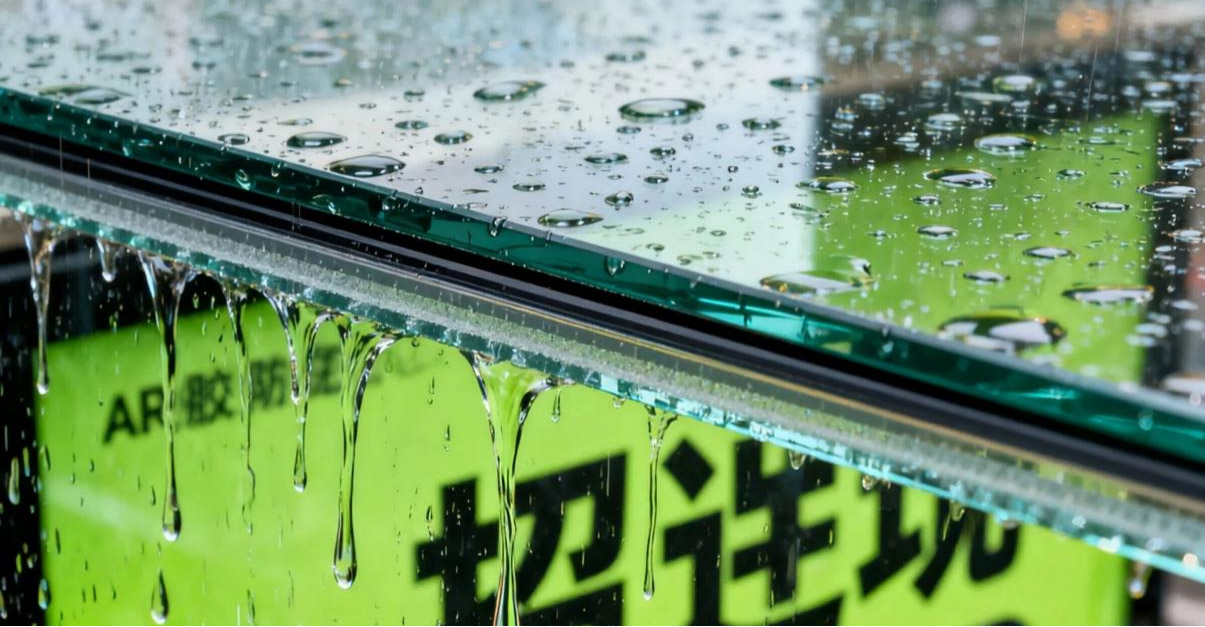
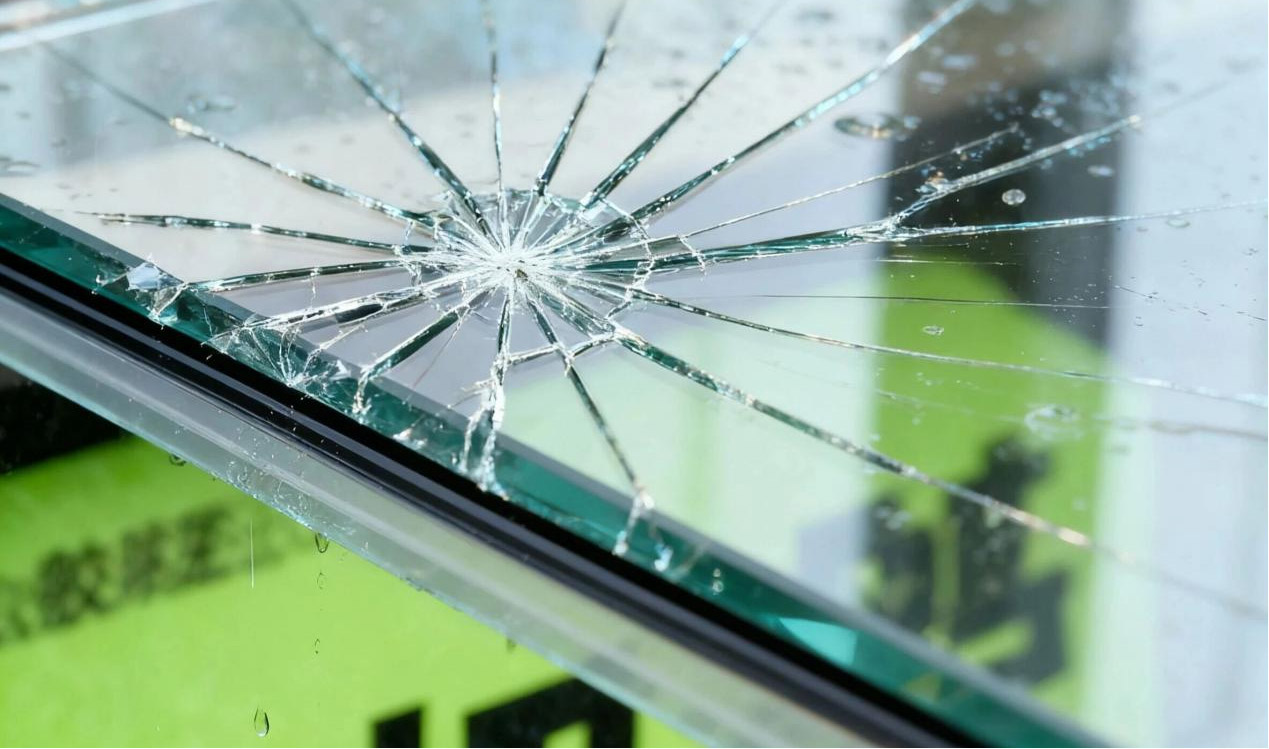
CNLC's outdoor LCD screens are equipped with IK10-certified laminated tempered glass, ensuring superior impact resistance for long-term reliability.


Key Features of CNLC’s LCD Display with IK10 Protection:

  • Double-layer laminated tempered glass for maximum impact resistance and shatter prevention.

  • Durable aluminum casing for enhanced structural stability and corrosion resistance.

  • Protective frame design that minimizes glass exposure and reduces edge damage risks.

  • Advanced cooling system to stabilize internal temperatures and ensure reliable performance.

  • 3000-nit high-brightness display for clear and vivid visuals even in direct sunlight.

  • IP66 weatherproof design to protect against dust, water, and extreme weather conditions.


4. Best Applications for IK10 Outdoor LCD Screens

CNLC's IK10-certified outdoor LCD screens are ideal for various high-traffic and public environments, including:


1️⃣ Public Transport Stations: Ensures clear information displays in busy hubs.
2️⃣ Commercial Streets and Shopping Malls: Reduces potential damage caused by vandalism.
3️⃣ Stadiums and Outdoor Event Venues: Prevents accidental damage during large gatherings.
4️⃣ Schools and Government Facilities: Provides durable display solutions for public spaces.


5. How to Choose an IK10-Certified Outdoor LCD Screen

When selecting an IK10 outdoor LCD screen, consider these factors:

  • Official Certification: Ensure the product has passed verified IK10 testing.

  • Glass Material: Prioritize double-layer laminated tempered glass for maximum durability.

  • Frame Design: Opt for screens with reinforced frames to minimize glass exposure.

  • Trusted Manufacturer: Choose a reputable company with extensive experience in outdoor LCD screen production, such as CNLC.


CNLC Outdoor LCD Display with IK10-Certified Laminated Tempered Glass for Impact Resistance

6. Conclusion

The IK10 protection rating is essential for outdoor LCD screens to resist vandalism, accidental damage, and environmental risks. CNLC's IK10-certified outdoor LCD displays combine laminated tempered glass, a durable aluminum casing, and an advanced cooling system to ensure long-term performance in challenging environments.

IK10 vandal-resistant LCD screen for outdoor use


For premium outdoor LCD display solutions with IK10 protection, trust CNLC to deliver durability, stability, and superior visual performance.


➡️ Contact CNLC today to learn more about our vandal-resistant outdoor LCD screens!

keyboard_arrow_up