It's a common misconception that "LCD" and "LED" are completely separate and competing display technologies. In reality, almost all modern "LED" displays for TVs, monitors, and smartphones are actually a type of LCD display that uses LED backlighting.


Here's the crucial clarification:


LCD (Liquid Crystal Display): This refers to the core technology that uses liquid crystals to control the passage of light for each pixel. Liquid crystals don't emit their own light, so they need a light source behind them.


LED (Light Emitting Diode): This refers to the type of light source used for the backlight.


The "LCD vs. LED" distinction you often hear is typically comparing:


Older LCDs with CCFL (Cold Cathode Fluorescent Lamp) backlights: These were the original LCD displays, using fluorescent tubes for illumination.


Modern LCDs with LED backlights (often just called "LED TVs" or "LED monitors"): These replaced CCFLs with more efficient and controllable LED arrays.


So, when someone asks "Why is LCD better than LED?", they might be thinking of:


Cost: Traditional CCFL-backlit LCDs were generally cheaper to produce than early LED-backlit LCDs. While the price gap has significantly narrowed, and often LED-backlit LCDs are now the standard and very affordable, for certain specialized, very large-scale displays, there might still be cost differences.


Specific Niche Applications: In some very specific industrial or niche applications, an older CCFL-backlit LCD might still be used if extreme uniformity across the entire panel at a very low cost is paramount, and the other benefits of LED backlighting aren't as critical. However, this is becoming increasingly rare.


Misunderstanding of Terminology: The most common reason is simply a misunderstanding that "LED" is a completely different display technology, when it's actually an improvement in the backlight of an LCD.


Why LED Backlighting is generally "better" for LCDs (and why the market shifted):


When comparing modern LED-backlit LCDs to older CCFL-backlit LCDs, the LED versions offer significant advantages:


Energy Efficiency: LEDs consume less power, leading to lower energy bills and a more environmentally friendly product.


Thinner Design: LEDs are smaller and more versatile, allowing for much thinner display panels.


Improved Picture Quality (especially with local dimming):


Higher Contrast: With LED backlighting, especially Full-Array Local Dimming (FALD), specific zones of LEDs can be dimmed or brightened independently. This allows for much deeper blacks and brighter whites in different areas of the screen simultaneously, greatly improving contrast compared to CCFLs which illuminate the entire screen uniformly.


Better Brightness: LEDs can achieve higher peak brightness levels, which is crucial for HDR (High Dynamic Range) content and viewing in bright environments.


Better Color: LED backlighting can enable a wider and more accurate color gamut.


Longer Lifespan: LEDs generally have a longer operational lifespan than CCFLs.


No Mercury: CCFLs contain mercury, which is a hazardous material. LEDs are mercury-free.


The "True" LED Display (Direct View LED / MicroLED):


It's important to note there's another, more advanced display technology called Direct View LED (dvLED) or MicroLED. In these displays, the LEDs themselves are the pixels, emitting their own light directly, similar to OLED. These displays are typically used for very large video walls, stadium screens, or very high-end, large-format consumer displays. They offer incredible brightness, contrast, and seamless modularity, but are currently much more expensive than OLED or LCD.


In summary: When people talk about "LED" displays in the consumer market (TVs, monitors), they are almost always referring to LCD displays with LED backlighting. This technology is generally superior to older CCFL-backlit LCDs in most aspects. There are very few scenarios where a traditional CCFL-backlit LCD would be considered "better" than an LED-backlit LCD in today's market.
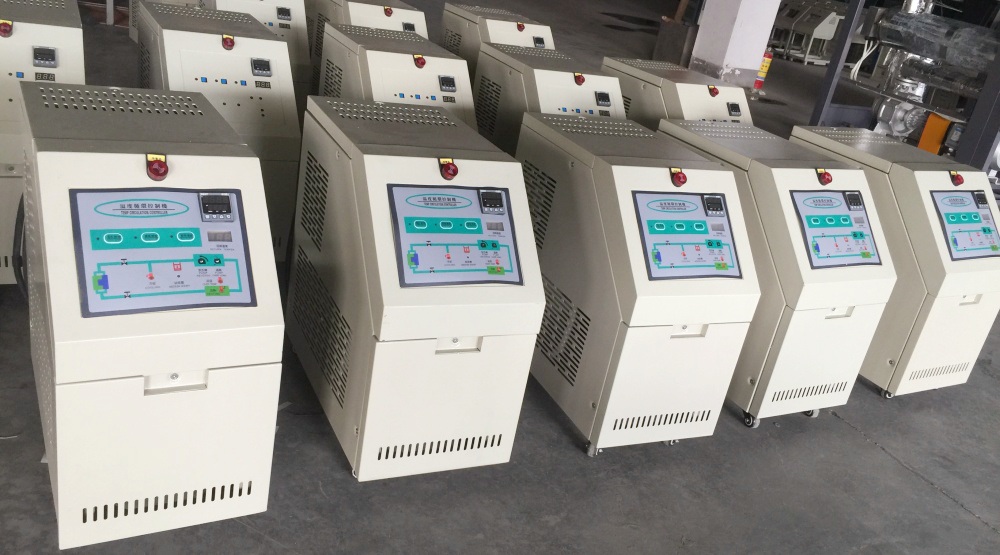
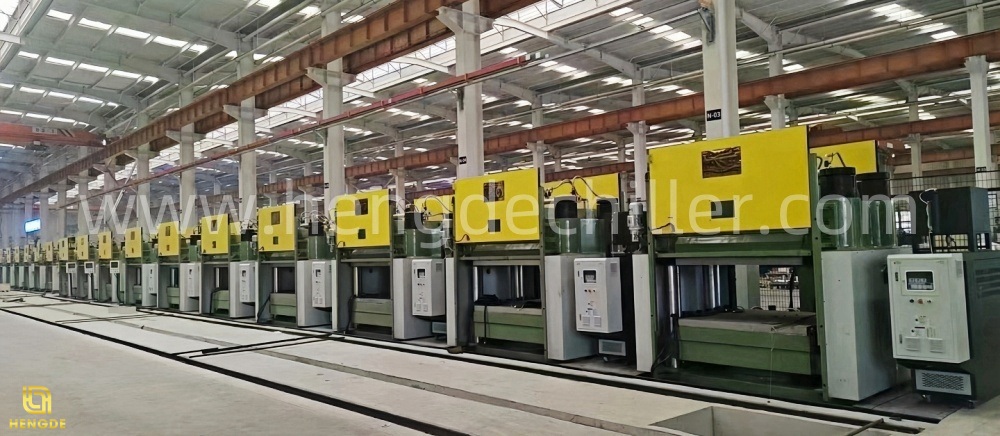
Mold temperature controllers (MTCs) are essential pieces of equipment in industries such as plastics, rubber, die-casting, and injection molding. These devices are designed to regulate the temperature of molds during the manufacturing process, ensuring optimal product quality and production efficiency. The importance of maintaining the correct mold temperature cann't be overstated, as it directly impacts the precision and consistency of the final product.


Water Mold Temperature Controller


Functionality of Mold Temperature Controllers

Mold temperature controllers serve several key functions, all geared towards improving the efficiency of industrial molding processes:


1. Precise Temperature Control:

The primary function of an MTC is to maintain a stable, uniform temperature in the mold. In the manufacturing processes such as injection molding, blow molding, and die - casting, the temperature of the mold has a significant impact on the performance of the production process and the quality of the final product. For example, in injection molding, if the mold temperature is too low, the plastic melt may cool down too quickly, resulting in uneven filling of the mold cavity, short shots, and poor surface quality of the product. On the contrary, if the mold temperature is too high, it may cause over - heating of the plastic, leading to material degradation, warping, and other defects. A mold temperature controller can accurately adjust the temperature, usually within a very small temperature deviation range (such as ±0.5°C or even smaller), ensuring that the mold temperature remains at the optimal value required by the production process.


2. Heating and Cooling:

An MTC provides both heating and cooling functions. By regulating the temperature of the mold, it ensures that the material doesn't cool too quickly, preventing issues such as warping or cracks. On the other hand, it also prevents overheating, which can result in defects like flash or uneven surface quality.


3. Consistency and Quality:

Mold temperature controllers help ensure consistent temperatures across the entire mold surface. This consistency reduces the likelihood of defects and variability, resulting in higher-quality products with fewer defects, which is critical in industries where precision is vital.

Hengde Mold Temperature Controller


4. Energy Efficiency:

Modern mold temperature controllers are designed to be energy-efficient, minimizing energy waste by adjusting the heat and cooling cycles in real-time. This contributes to lower operational costs while maintaining production speed and quality.


5. Faster Production Cycles:

By keeping the mold temperature under control, MTCs help to speed up production cycles. A stable temperature reduces the need for constant adjustments, allowing for faster and more consistent output, which is a significant advantage in high-volume manufacturing environments.


6. Cost Reduction:

By preventing common molding problems, such as warping or dimensional changes, mold temperature controllers help to reduce scrap and rework. This not only improves product quality but also cuts down on material costs and production downtime.


Why Choose Nanjing Hengde Electrical Equipment Co., Ltd?

At Nanjing Hengde Electrical Equipment Co., Ltd, we specialize in producing high-quality mold temperature controllers and industrial chillers that are engineered to deliver precision and reliability. With over many years of experience in the industry, we have developed a reputation for providing innovative solutions tailored to meet the specific needs of our clients. Our water mold temperature controllers and oil mold temperature controllers are designed to ensure optimal performance in a wide range of applications, offering enhanced energy efficiency, superior temperature control, and faster production cycles.


Whether you're working with injection molding, die-casting, or rubber processing, Hengde’s mold temperature controllers provide the accuracy and consistency needed to achieve high-quality results. For more information on our products and solutions, please visit our website at www.hengdechiller.com.


Choose Hengde,Choose Perfect Mold Temperature Controller!

Mold Temperature Controllers
keyboard_arrow_up