In the entire industrial production process, water quality monitoring is a crucial link to ensure production safety, control pollutant emissions, and improve product quality. However, current industrial water quality monitoring generally faces two core challenges: On the one hand, the composition of industrial wastewater is complex and variable. On the other hand, traditional monitoring models mostly rely on manual sampling and offline analysis. Against this backdrop, the new generation of PH water quality sensors, with their technological innovation, have become the core force to break through the predicament of accuracy and intelligence in industrial water quality monitoring, bringing a brand-new solution to industrial water quality management.


1. High-precision hardware Upgrade: Laying a solid foundation for the accuracy of industrial water quality monitoringIn industrial scenarios, water quality components are complex, temperature fluctuates greatly, and pollutant interference is strong. Traditional PH sensors often lead to data deviations due to insufficient stability. The new generation of PH water quality sensors has broken through the bottleneck through three core hardware innovations: Firstly, it uses sapphire glass electrodes instead of traditional glass electrodes, increasing the acid and alkali corrosion resistance by more than three times. It can still maintain a stable response in strong corrosive scenarios such as chemical engineering and electroplating. Second, it is equipped with an automatic temperature compensation module to correct in real time the influence of temperature on PH value measurement. Control the error caused by temperature fluctuations within ±0.02PH. Third, optimize the electrode surface coating technology to reduce the adsorption of heavy metal ions and organic substances on the electrode surface, extend the calibration cycle to more than three months, and avoid monitoring interruption caused by frequent maintenance. These hardware upgrades ensure the accuracy of data from the source and provide reliable "sensing antennae" for industrial water quality monitoring.


  • 2.Digital Data Processing: Establishing a link from precise monitoring to intelligent analysis

Accurate raw data needs to be processed intelligently before it can be transformed into usable decision-making basis for industrial production. The PH water quality sensor solves the problem of data value conversion through two major digital technologies: On the one hand, it is equipped with a high-precision AD conversion chip, which converts analog signals into 16-bit digital signals, increasing the data sampling rate to 10 times per second. It can capture the instantaneous fluctuations of water PH value and avoid the risk misjudgment caused by the sampling lag of traditional sensors. On the other hand, integrate edge computing functions,Data preprocessing is achieved at the sensor end, automatically filtering out abnormal data such as electromagnetic interference and instantaneous pulses. Meanwhile, the trend changes of water quality PH value are identified through algorithms. For instance, in the treatment of printing and dyeing wastewater, the risk of PH value deviation from the process range can be warned 15 minutes in advance. This processing mode of "real-time collection - intelligent filtration - trend prediction" transforms monitoring data from "passive recording" to "active early warning", providing dynamic decision support for industrial water quality regulation.


3. Internet of Things Collaborative Linkage: Building an Intelligent Ecosystem for Industrial Water Quality Monitoring

The precise monitoring of a single sensor is difficult to meet the intelligent demands of the entire industrial production process. The PH water quality sensor realizes the closed-loop linkage of "perception - transmission - control" through Internet of Things technology, solving the problem of system coordination. Firstly, it supports low-power wide-area communication protocols such as LoRa and NB-IoT, and can be seamlessly integrated with industrial Internet of Things platforms to transmit PH data in real time to the cloud, achieving centralized management of multiple factory areas and monitoring points. Secondly, it should have protocol compatibility capabilities and be able to interact with devices such as water hardness sensors and turbidity sensors,Build a multi-parameter monitoring model. For instance, in the monitoring of circulating water in the power industry, the risk of scaling can be automatically calculated by combining PH value and conductivity data. Finally, it can be connected to an industrial control system (DCS). When the PH value exceeds the threshold, the dosing device will be automatically triggered for adjustment, achieving an intelligent closed loop of "monitoring - analysis - control", reducing the cost of manual intervention and improving the efficiency of water quality regulation.

  • The PH water quality sensor leads the technological innovation in industrial water quality monitoring In summary, the PH water quality sensor has solved the problem of data accuracy in industrial scenarios through high-precision hardware upgrades, achieved intelligent analysis of monitoring data through digital data processing, and built a full-process intelligent monitoring ecosystem through the collaborative interaction of the Internet of Things. The three support each other and progress step by step, not only breaking through the limitations of traditional water quality monitoring such as "low precision, slow response and weak intelligence",It further promotes the transformation of industrial water quality management from "post-event handling" to "pre-event warning", and from "manual regulation" to "intelligent closed-loop". Against the backdrop of increasingly strict environmental protection requirements and the pursuit of high efficiency and energy conservation in industrial production, PH water quality sensors will become a key technical support for ensuring industrial water quality safety and enhancing production efficiency, injecting new impetus into the green and sustainable development of industry.


The "Invisible Killer" in Sterilization Finally Meets Its Wireless Lifesaver

Ethylene Oxide (ETO) ensures medical devices are sterile, pharmaceuticals are safe, and food stays fresh—but it’s also a hidden killer. Exposure to just 10ppm of ETO can cause nausea, and long-term contact increases cancer risk. Yet traditional monitoring methods are a disaster: manual testing exposes workers directly to leak hazards, wired detectors can’t reach narrow corners, and data delays leave no one alert when dangerous concentrations soar.

For hospitals, chemical plants, and logistics teams, this isn’t just a compliance challenge—it’s a race against time to protect lives.

But now, the ZONEWU LoRaWAN Ethylene Oxide Sensor (Model: LW316-ETO) is here to turn the tide. This wireless IoT "hero" transforms the "too late" of ETO, temperature, and humidity monitoring into "handled immediately."


Three Game-Changing Advantages That Outperform All Outdated Tools

ZONEWU doesn’t just make a sensor—it builds a safety net. Here’s how it solves industry pain points:


1. Pinpoint Accuracy (Zero Error) – No Risk Goes Unnoticed

No more guesswork. The LW316-ETO is equipped with top-tier ETO detection components and an intelligent microprocessor, delivering zero human error in ETO detection within the 0-100ppm range—a critical requirement for passing FDA/EMA inspections. But it doesn’t stop there: it also synchronizes real-time data for temperature (-40~+80℃, accuracy ±0.3℃—incredibly precise!) and humidity (0~99.9% RH, accuracy ±2%—flawless!). No more missing key clues—you’ll grasp the full picture in an instant.


2. LoRaWAN: The "Superpower" of Wireless Monitoring

This sensor isn’t just wireless—with standard LoRaWAN (OTAA Class A/C), it’s "super wireless":

15km transmission range (wired detectors can’t compete): It sends data from suburban areas and penetrates concrete walls—perfect for large factories, underground warehouses, and other spots where outdated detectors "fail."

Battery life of years, not months: No more climbing ladders to replace batteries. Even in remote locations like exhaust pipes, a single battery powers it for years.

Global compatibility: 470MHz (China), 868MHz (Europe), 915MHz (US/Australia)—choose the right frequency, and it works anywhere. Multinational teams finally have a hassle-free solution!


3. Alerts "Get Ahead" – Fix Dangers Before They Arrive

Set your own thresholds for ETO concentration, temperature, or humidity—once limits are exceeded, the sensor "sounds the alarm" immediately. In hospital disinfection rooms, nurses stop leaks before inhaling toxic air; in trucks carrying sterilized goods, it prevents cargo damage and saves you tens of thousands of dollars. Reactive responses? Outdated. Proactive prevention? Here and now!


Real Cases: How It Turns Chaos Into Control

Don’t just take our word for it—see how powerful it is in real scenarios:

Industry Sector

Application Scenario

Changes Brought by ZONEWU

Healthcare

A hospital’s disinfection chamber frequently exceeded ETO limits, with the issue unresolved.

Alerts are 5x faster than old tools! Staff fixed leaks when ETO reached just 5ppm (safety limit <10ppm)—no more close calls.

Chemical Manufacturing

An ETO plant faced $10,000 monthly fines due to hidden leaks in exhaust pipes.

The sensor located the leak source—fines dropped to $0 after 1 month.

Logistics & Transportation

A truck lost power, causing ETO concentrations in the cargo hold to spike.

The sensor alerted the driver mid-route; the driver stopped to handle the issue, saving $50,000 worth of cargo.

Environmental Protection

A waste disposal area needed to reduce ETO emissions to meet compliance standards.

Real-time data helped optimize processes—emissions dropped by 30% in 2 weeks.


Let Data Speak: How ZONEWU Crushes Traditional Detectors

Don’t just believe it’s "better"—the data proves it:


Comparison Dimension

ZONEWU LoRaWAN Sensor

Traditional Gas Detector

ZONEWU’s Advantage

Deployment Method

5-minute wireless setup

4-hour team-based wired installation

Saves 95% of installation time

Data Acquisition

1-second cloud sync

Manual recording (30 mins/day)

Eliminates 10+ hours of paperwork per week

Coverage Range

15km+ (penetrates walls/underground)

100m (cuts out at walls)

22,500x larger coverage area

Maintenance Cost

2-year lifespan, no frequent checks

Battery replacement every 2 months

Saves $500+ in annual maintenance costs

Scalability

Single gateway supports 1,000+ devices

Max 10 devices

Grows with your business—no hassle


Tired of Taking Risks? Act Now

Every extra day you use outdated ETO monitoring tools, you’re gambling with your team’s safety and your company’s profits. A single leak could mean fines, cargo loss, or worse—and all of this is avoidable!

Upgrading ETO monitoring doesn’t have to be hard. The LW316-ETO integrates with your existing LoRaWAN gateways and applications—no complex software installation required.

Don’t wait for an accident! Act now, and installation will start protecting you from risks immediately.


Imagine this: A farmer checks their irrigation water pH at dawn, only to find it’s plummeting—threatening to ruin an entire season’s crop. A municipal worker gets an alert at 2 AM that a community’s drinking water pH is off-balance, allowing contaminants to leach in. A fish farm owner loses thousands of fry overnight because they didn’t catch a sudden pH spike in time. These aren’t just hypothetical nightmares—they’re daily risks for anyone responsible for water. But what if there was a way to stop these crises before they start? Enter the LoRaWAN pH Value Water Quality Sensor—the low-power, long-range solution that’s redefining how we track and protect water.

Why Traditional pH Monitors Are Holding You Back (And What’s Different Now)

For years, water quality monitoring has been stuck in a cycle of inefficiency. Traditional pH sensors are either wired—trapping you in fixed locations and costly installation—or rely on short-range wireless (like Bluetooth or Wi-Fi), forcing you to be within feet of the device to get data. Worse, many require frequent battery changes (think weekly) or lack real-time alerts, meaning you’re always playing catch-up with problems that move faster than your data.

LoRaWAN technology shatters these limits. Built on a low-power wide-area network (LPWAN), our pH sensor doesn’t just measure water acidity—it delivers that data reliably, remotely, and affordably across miles, not meters. No more running from one sensor to the next. No more surprise battery deaths. No more watching disasters unfold because you couldn’t get data fast enough.


3 Unbeatable Advantages of LoRaWAN pH Sensors That Make Them a Must-Have

1. Long Range + Low Power: Monitor Anywhere, Anytime—Without the Hassle

The biggest breakthrough of LoRaWAN is its ability to transmit data up to 10 miles (in rural areas) while using minimal power. Our pH sensor runs on a single lithium battery that lasts 3–5 years—no wiring, no solar panels, no constant maintenance. Whether you’re monitoring a remote lake, a sprawling farm’s irrigation system, or a network of municipal water tanks, this sensor stays connected. You’ll get real-time pH readings on your phone, tablet, or desktop—even if the sensor is in the middle of a field or at the bottom of a reservoir.

2. Precision That Saves Money (And Reputations)

pH is one of the most critical water metrics—even a 0.5-point swing can kill aquatic life, damage crops, or make drinking water unsafe. Our LoRaWAN pH sensor offers ±0.01 pH accuracy (calibrated to NIST standards) and updates data every 1–60 minutes (customizable). For a fish farm, that means catching a pH drop from 7.2 to 6.8 before it kills your stock. For a winery, it means ensuring grape irrigation water stays within the ideal 6.0–6.5 range to preserve flavor. For municipalities, it means complying with EPA regulations and avoiding costly fines or public trust crises.

3. Easy Integration + Scalability: Grow With Your Needs

You don’t need a team of IT experts to use this sensor. It connects seamlessly to most LoRaWAN gateways (we work with Semtech, TTN, and Helium, among others) and integrates with popular IoT platforms like AWS IoT Core, Azure IoT Hub, and our own user-friendly dashboard. Start with one sensor for a small pond, or scale to 100+ for a regional water system—no extra hardware or software required. The dashboard lets you set custom alerts (via email, SMS, or app notification) for pH thresholds, battery life, or sensor errors, so you’re always in the loop.


Who Benefits Most? Every Industry That Relies on Water

This isn’t a “one-size-fits-all” tool—it’s a lifeline for countless sectors:
  • Agriculture: Protect crops from acidic or alkaline water, optimize fertilizer use, and comply with organic farming standards.
  • Aquaculture: Maintain ideal pH for fish, shrimp, and shellfish, reduce mortality rates, and boost harvest yields.
  • Municipal Water: Monitor drinking water treatment processes, detect contamination risks, and keep communities safe.
  • Environmental Science: Track pH changes in lakes, rivers, and oceans to study pollution, climate change, and ecosystem health.
  • Food & Beverage: Ensure water quality for production (think breweries, dairies, and bottling plants) and meet FDA standards.


The Proof Is in the Numbers: Real Results From Real Users

A family-owned blueberry farm in Oregon switched to our LoRaWAN pH sensors last year. Previously, they checked irrigation water pH once a week with a handheld meter—too late to stop a pH drop that damaged 15% of their crop in 2022. Now, they get real-time alerts and adjust their water treatment instantly. This season, their crop loss from pH issues dropped to 0.5%—saving them over $40,000.

A coastal municipality in Florida uses 24 of our sensors to monitor their drinking water distribution system. In March 2023, one sensor detected a pH spike in a remote pipe—triggering an alert that led crews to fix a broken chemical injector before the water reached homes. The alternative? A potential boil-water advisory affecting 12,000 residents and a $25,000 fine from the state.


Ready to Stop Reacting—and Start Protecting Your Water?

Water is your most valuable resource—don’t leave its health to outdated tools. Our LoRaWAN pH Value Water Quality Sensor isn’t just a monitor; it’s a proactive solution that saves you time, money, and stress. It’s easy to install, affordable to scale, and built to withstand harsh conditions (IP68 waterproof rating, works in -4°F to 140°F).


Introduction: The "Invisible Threat" of H₂S Calls for Professional Protection

In many industries such as petrochemicals, sewage treatment, and mining, hydrogen sulfide (H₂S) is an extremely dangerous gas—it is colorless, highly toxic, and can cause discomfort even at low concentrations, while high concentrations can be life-threatening in a short time.

Due to its characteristics of "invisible, detectable by smell but easily ignored", the traditional manual inspection method is not only inefficient but also difficult to achieve real-time and accurate risk early warning. Against this backdrop, the ZONEWU Wireless LoRaWAN Hydrogen Sulfide Sensor came into being, using technological innovation as a fulcrum to build a solid "invisible defense line" for industrial safety.


Core Advantage 1: Empowered by LoRaWAN Technology, Breaking Through Transmission Bottlenecks

As a professional sensor for industrial scenarios, the most prominent advantage of the ZONEWU H₂S Sensor is its integration of LoRaWAN wireless communication technology. Compared with traditional wired transmission, LoRaWAN technology has three core highlights: first, ultra-long transmission distance, which can reach several kilometers in an open environment, and can transmit data stably even in complex scenarios with dense workshops and many wall obstacles; second, ultra-low power consumption design, the sensor adopts a high-efficiency energy-saving chip, combined with an intelligent sleep mechanism, which can work continuously for months or even years after a single charge or battery replacement, greatly reducing the later maintenance cost; third, strong anti-interference ability, which can effectively avoid signal interference from other wireless devices in the industrial environment, ensuring the accuracy and stability of data transmission.


Core Advantage 2: Accurate Monitoring + Fast Response, Building the First Line of Safety

For gas sensors, "accuracy" is the foundation. The ZONEWU H₂S Sensor adopts the high-precision electrochemical detection principle, which can accurately capture hydrogen sulfide gas in the air within the concentration range of 0-100ppm, and the detection error is controlled within ±5%FS, which is far better than the industry average.

At the same time, the sensor has a fast response capability. When the gas concentration reaches the preset threshold, it will not only remind on-site personnel through sound and light alarms locally but also upload the alarm information and real-time concentration data to the cloud platform within 1 second, allowing managers to grasp the risk dynamics in the first time even if they are not on-site, and gain valuable time for emergency response.


Core Advantage 3: Full-Scenario Adaptation, Convenient and Efficient Operation

The diversity of industrial scenarios puts forward high requirements for the adaptability of sensors. The ZONEWU H₂S Sensor adopts an IP67 high protection level design, which is waterproof, dustproof, and corrosion-resistant. It can operate stably whether in a humid sewage treatment tank, a high-temperature chemical reaction area, or a dusty mine tunnel. In terms of installation and operation, the sensor supports multiple installation methods such as wall-mounted, pipeline, and bracket. No complicated wiring project is required, and installation and commissioning can be completed in 10 minutes. The supporting cloud platform also has functions such as data visualization, historical data query, and abnormal data traceability. Managers can realize remote monitoring and management through a computer or mobile APP, which greatly improves the efficiency of safety management.


Practical Application: Safety Protection from Laboratory to Production Line

At present, the ZONEWU Wireless LoRaWAN Hydrogen Sulfide Sensor has been widely used in many fields. In a large petrochemical refinery, sensors are installed in the crude oil extraction and sewage treatment links to monitor equipment leakage in real-time. Since its commissioning, it has successfully warned of 3 minor leaks, avoiding safety accidents; in a municipal sewage treatment plant, the sensor has replaced the traditional manual inspection, which not only increased the inspection efficiency by 80% but also provided a scientific basis for equipment maintenance through data trend analysis; in the mining scenario, the sensor is linked with the emergency system.

Once the H₂S concentration is detected to exceed the standard, it will immediately automatically start the ventilation equipment and cut off the power in the dangerous area, providing strong protection for the life safety of miners.


Conclusion: Guarding Every Bit of Safety with Technological Innovation

In today's era where industrial safety is increasingly valued, the ZONEWU Wireless LoRaWAN Hydrogen Sulfide Sensor has become a powerful assistant for enterprises to prevent H₂S risks with its core characteristics of "accuracy, stability, and efficiency".

It not only solves the pain points in traditional safety monitoring but also promotes the upgrading of industrial safety management models through digital and intelligent means. In the future, ZONEWU will continue to deepen its focus on the gas sensing field, and provide strong support for the safe development of various industries with more advanced technologies and better products.


In the fast-paced world of electronics, where technologies can become obsolete overnight, longevity and adaptability are not just virtues—they are the hallmarks of a true industry leader. For three decades, Goldenvision has stood as a testament to this principle, evolving from a specialist in monochrome LCDs to a pioneering force in advanced display solutions like TFT, Serial Port, and Knob Screen displays. Our journey is a story of relentless innovation, deep-rooted expertise, and an unwavering commitment to quality.
 
 
As an experienced LCD supplier, we have not just witnessed the evolution of display technology; we have actively shaped it.
 
 
Our Foundation: Mastering Monochrome LCDs
 
Our story began 30 years ago with a focus on a then-revolutionary technology: monochrome LCDs. This foundational period was crucial. It was in these early days that we built our core competencies in:
 
 
Precision Manufacturing: Cultivating the expertise to produce incredibly reliable and energy-efficient screens.
 
 
Rigorous Quality Control: Implementing testing protocols that ensured every display met the highest standards of performance, even in demanding environments.
 
 
Deep Customer Understanding: Learning the diverse needs of industries from industrial instrumentation to consumer devices, teaching us to listen and adapt.
 
 
This deep immersion in the fundamentals of liquid crystal technology gave us an engineering-first perspective that remains the bedrock of everything we do today. It established our reputation as a trusted LCD manufacturer.
 
 
The Strategic Shift: Embracing the Color Revolution
 
As the market demanded richer visuals and more interactive user experiences, Goldenvision made a strategic decision to lead, not follow. We invested heavily in the transition to Thin-Film Transistor (TFT) technology. This was more than just adding color; it was a complete overhaul of our capabilities.
 
 
Our engineers mastered the complexities of higher resolutions, wider color gamuts, and faster response times. We understood that to be a true experienced LCD supplier, we needed to offer a bridge for our existing clients to upgrade their products while attracting new innovators seeking state-of-the-art displays.
 
 
Goldenvision Today: Pioneering Customized HMI Solutions
 
Building on our 30-year legacy, we now channel our expertise into the next generation of Human-Machine Interface (HMI) solutions. Our focus is on providing intelligent, customizable, and easy-to-integrate displays that empower your products.
 
 
Our modern product portfolio includes:
 
 
Serial Port Displays (UART TFT): Simplifying your design process with displays that are easy to interface, reducing
development time and cost. They are the perfect upgrade path from simpler monochrome screens.
 
 
Knob Screen Displays: Combining the tactile, precise feedback of a physical rotary encoder with a high-resolution TFT display. This innovative solution offers a superior user experience in applications where gloves are used, or where menu diving is common.
 
 
Custom TFT Solutions: Leveraging our manufacturing prowess to deliver tailored displays in terms of size, brightness, touch technology, and operating temperature range.
 
 
Why Partner with a Manufacturer with History?
 
In a market filled with new entrants, choosing Goldenvision means partnering with stability and proven expertise. Our 30-year history is your assurance of:
 
 
Proven Reliability: Our processes are refined by decades of experience, resulting in exceptionally low failure rates.
 
Engineering Partnership: We offer more than just products; we provide technical support and solutions based on a vast repository of accumulated knowledge.
 
 
Supply Chain Stability: Our long-standing relationships with material suppliers ensure consistent quality and dependable delivery.
 
 
Looking Forward: The Next 30 Years of Innovation
 
The display technology evolution is far from over. As we look to the future, Gvlcd is committed to investing in R&D for emerging technologies, from higher-efficiency displays to even more intuitive user interfaces. Our legacy is not a monument to the past, but a launchpad for the future.


Since 1995, Golden Vision has been a trusted manufacturer of premium rotary knob display solutions. Explore how our knob screens enhance smart home appliances with intuitive, reliable control.

For nearly three decades, since our founding in 1995, Golden Vision has been at the forefront of human-machine interface (HMI) innovation. We have witnessed trends come and go, but one principle has remained constant: the need for controls that are both intelligently designed and utterly reliable. This philosophy is perfectly embodied in one of our flagship technologies - the rotary knob with an integrated display.

This sophisticated component is revolutionizing user interaction in the modern smart home. Let's explore why this interface has become a cornerstone of premium appliance design and how our decades of experience make Golden Vision your ideal manufacturing partner.


rotary knob display


The Evolution of Appliance Control: From Analog to Intelligent

The simple rotary knob is a classic interface that users have trusted for generations. Its tactile, intuitive nature is irreplaceable. At Golden Vision, we asked a question: "How can we preserve this intuitive physical interaction while adding the power of digital intelligence?"

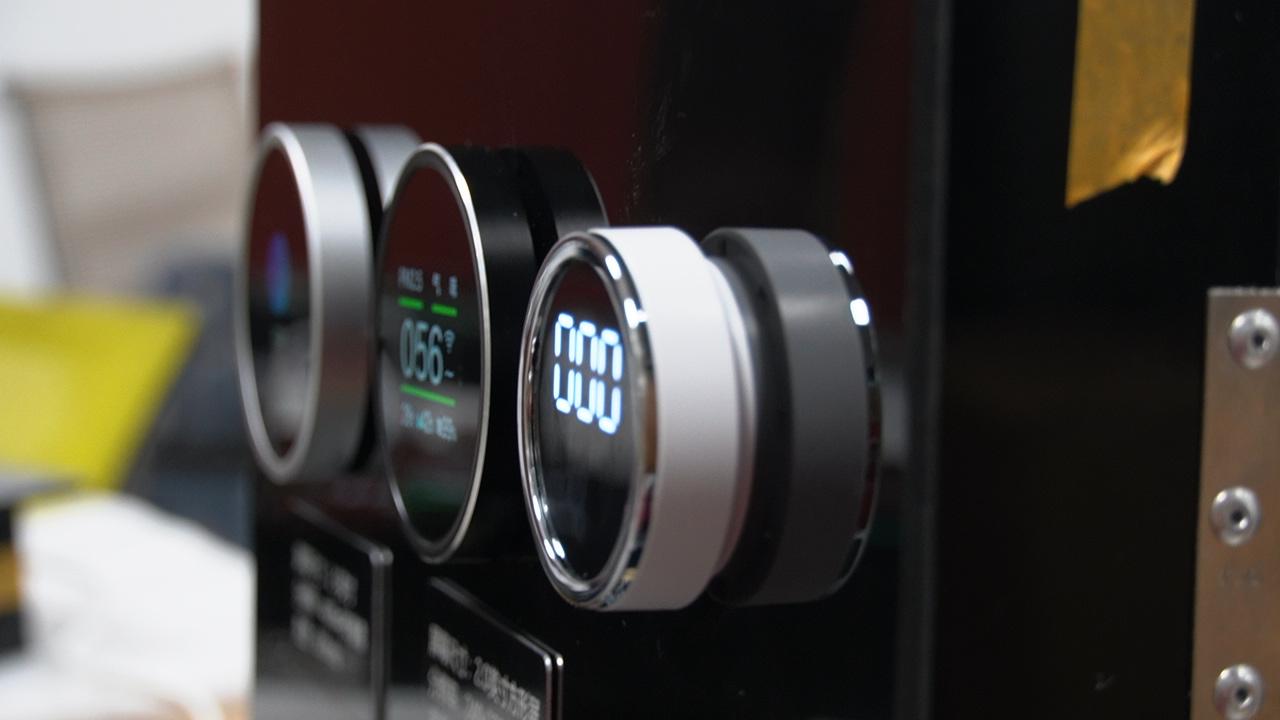
The answer is our rotary knob with display. This hybrid interface combines a high-precision encoding knob with a vibrant, integrated TFT or OLED screen. It allows users to scroll through menus, adjust settings, and see real-time feedback through a single, elegant component. It’s the perfect fusion of tactile satisfaction and digital clarity.

Why the Rotary Knob with Display is Dominating Smart Appliance Design


1. Unmatched Intuitive Usability

In a world of complex touchscreen menus, the physical knob is a welcome respite. It offers:


Tactile Feedback: Users can make adjustments by feel, without staring at the interface.


Muscle Memory: Turning a dial is a natural, learned behavior, making it accessible for all users.


Contextual Control: The knob's function adapts dynamically. In an oven, it controls temperature; in a washer, it selects cycles, with the display always showing relevant data.


2. A Premium and Streamlined Aesthetic

Our knob screens help appliance designers create clean, minimalist, and high-end control panels. By replacing multiple buttons and a separate screen, it consolidates functionality into a single, sophisticated centerpiece that elevates the entire product's design language.


3. Enhanced Safety and Hygiene

Glove-Friendly Operation: Unlike capacitive touchscreens, our knob screens can be operated with wet hands or while wearing oven mitts—a critical safety feature in kitchens.

Reduced Contamination: The reduced need to touch a large screen minimizes smudges, fingerprints, and the spread of germs, supporting easier cleaning and maintenance.


4. The Perfect Bridge for the Smart Home

This interface seamlessly connects the physical and digital worlds of your appliance. The knob provides the satisfying physical interaction, while the digital display connects the user to smart features, showing:


Wi-Fi connectivity status

Notifications for completed cycles

Step-by-step recipe guides from a connected app


Golden Vision Knob Screens in Action: Smart Appliance Scenarios

Our rotary knob with display components are engineered to excel in specific, high-value applications:

Smart Ovens and Ranges: Imagine turning the knob to scroll through digital recipes. The integrated display shows a picture of the dish, the preheat temperature, and the timer—all from one central, intuitive control. Our robust components, built for high-temperature environments, ensure longevity and reliability.


Washing Machines and Dryers: Users can effortlessly scroll through dozens of specialized cycles. The display instantly updates to show duration, spin speed, and temperature for each selection. With a lifespan designed for thousands of cycles, Golden Vision knob screens are built to last.


Induction Cooktops: A single, elegant knob can control power levels for a specific burner, with the display showing the exact wattage or temperature setting, providing precise culinary control.


Dishwashers and Coffee Makers: Select wash cycles or brew settings with tactile confidence, while the display provides clear confirmation and status updates, like remaining time or current cycle stage.

Why Partner with Golden Vision? Our Legacy of Reliability Since 1995

Choosing a component supplier is about more than just the product; it's about the partnership. When you partner with Golden Vision, you gain the advantage of nearly 30 years of experience.

Proven Expertise: Since 1995, we have refined our manufacturing processes and quality control to deliver components you can rely on for your most demanding projects.


Customization and Support: We work closely with our clients to develop custom rotary knob with display solutions that meet their exact aesthetic, functional, and branding requirements.


Quality You Can Trust: Our commitment to using high-grade materials and rigorous testing protocols ensures that every knob screen we produce meets our legacy of reliability, helping you build appliances that stand the test of time.

Conclusion: Build a Smarter, More Intuitive Future with Us

The rotary knob with display is more than a trend; it's the future of intuitive appliance control. It reduces complexity, enhances safety, and delivers a premium user experience that truly makes a smart appliance feel intelligent and easy to use.

As a reliable knob screen manufacturer since 1995, Golden Vision has the experience, technical expertise, and commitment to quality to be your trusted partner in bringing this exceptional technology to market.

Ready to integrate a reliable, intuitive interface into your next-generation appliances? [Contact Golden Vision today to discuss your project and request a sample]. 


In the world of electronics design, creating a compelling user interface is crucial. However, integrating a high-quality display can often be complex, requiring significant processor power and software expertise. This is where the TFT Serial Port Display comes in—a powerful yet surprisingly simple solution for adding brilliant visuals to any project.

If you're looking for an efficient way to upgrade from a basic monochrome screen to a full-color graphical interface without a major system overhaul, you've found the right technology.


The Core Concept: Simplifying the Complex


At its heart, a TFT Serial Port LCD Display is a smart, self-contained module. It combines a full-color Thin-Film Transistor (TFT) LCD with its own dedicated graphics controller. The "Serial Port" in the name, typically referring to a UART (Universal Asynchronous Receiver/Transmitter) interface, is the key to its simplicity.

Instead of sending a constant stream of raw pixel data (which requires high-speed parallel interfaces and significant CPU resources), your main microcontroller only needs to send simple text and graphics commands over a basic serial connection.

Think of it like this: You're not painstakingly painting each pixel yourself. Instead, you're giving a skilled assistant (the display's controller) high-level instructions like, "draw a blue button at these coordinates," or "show the text 'Temperature: 25°C' in this font." The assistant handles all the complex work.


How Does a TFT UART Display Work?


The process is straightforward and greatly reduces the development burden on your primary system:

  1. Integration: You connect the display to your host microcontroller (like an Arduino, STM32, or PIC) using just a few wires—typically Transmit (TX), Receive (RX), Power, and Ground.

  2. Communication: Your microcontroller sends pre-defined commands from a simple command set over the serial interface TFT. These commands are packaged in a specific protocol (often vendor-specific, like using the "XYZ" command set from Goldenvision).

  3. Rendering: The display's onboard controller receives these commands and executes them. It processes the instructions to draw shapes, display images, or print text directly onto the TFT screen.

This architecture makes the TFT UART display an ideal industrial display, where reliability and simplicity are paramount, and the host PLC (Programmable Logic Controller) or industrial computer may not be built for high-speed graphics processing.


Key Advantages of Using a Serial Interface TFT


Why would a designer choose this type of display? The benefits are significant:

  • Dramatically Reduced MCU Load: Frees up your main processor for core application tasks, as it no longer has to manage the graphics frame buffer.

  • Faster Development Time: Simplifies software development. You don't need to write complex graphics drivers; you just need to send serial strings.

  • Easy Upgrade Path: It's often the simplest way to replace a character-based LCD or a monochrome graphic display with a full-color TFT without changing your main board design.

  • Cost-Effective: Lowers overall system cost by allowing you to use a lower-performance, less expensive microcontroller.


Ideal Applications for Serial Port Displays


The combination of a rich graphical TFT and a simple serial interface makes these displays exceptionally versatile, especially in industrial and embedded settings:

  • Industrial Control Panels (HMI): For operating and monitoring machinery, PLCs, and CNC systems.

  • Medical Devices: For user interfaces on diagnostic equipment, patient monitors, and infusion pumps.

  • Test and Measurement Equipment: Providing a clear visual representation of data, graphs, and settings.

  • Smart Home Controllers: For thermostats, security systems, and automation hubs.

  • Point-of-Sale (POS) Terminals: Displaying transaction information and user menus.


Conclusion: The Smart Choice for Embedded Graphics


TFT Serial Port Display offers the perfect balance between visual sophistication and engineering simplicity. It empowers designers to create modern, user-friendly interfaces without the traditional complexity and cost associated with high-resolution TFT integration.

For anyone designing an industrial display or an embedded system that needs to make the leap from basic to brilliant, the serial TFT is the most practical and efficient path forward.


Ready to Simplify Your Design with a Serial TFT?

At Gvlcd, with our 30 years of display manufacturing expertise, we provide robust and high-quality TFT UART displays that are easy to integrate and built to last. Explore our range of serial port display solutions and see how we can help you bring your product interface to life.


In today's competitive electronics landscape, the choice of your display supplier is more than a simple component purchase—it's a strategic partnership that can determine the success, reliability, and longevity of your product. While new suppliers may offer attractive prices, they cannot replicate the profound value of decades of accumulated knowledge and refined processes. So, why is partnering with an experienced LCD partner like Goldenvision a critical business decision?

The answer lies in moving beyond transactional relationships to a partnership built on trust, resilience, and shared success. Here is the Goldenvision Advantage.


1. Unmatched Product Reliability and Quality Control

A reliable lcd display supplier is defined by its consistency. With 30 years of experience, Goldenvision has institutionalized quality.

  • Refined Manufacturing: Our production processes have been optimized over thousands of projects, leading to exceptionally high yields and minimal defect rates.

  • Rigorous Testing Protocols: Every display batch undergoes stringent testing for performance under temperature extremes, vibration, longevity, and visual quality. We catch failures so you don't have to.

  • Proven Component Sourcing: Our long-term relationships with raw material suppliers ensure we use only high-grade glass, ICs, and backlights, guaranteeing the durability of your end product.

This relentless focus on quality mitigates your risk, reduces costly field failures, and protects your brand's reputation.


2. Deep Engineering Support & Collaborative Problem-Solving

An experienced LCD partner provides more than just a product datasheet; they provide intellectual capital.

  • Application Expertise: Our engineers have likely already solved the challenge you're facing. We offer invaluable guidance on integration, overcoming EMI issues, optimizing power consumption, and selecting the right interface for your application.

  • Customization Capabilities: Need a specific size, connector, optical bonding, or brightness level? We have the technical depth to tailor a solution that fits your exact requirements, accelerating your time-to-market.

  • Proactive Partnership: We don't just take orders; we collaborate. We act as an extension of your R&D team, suggesting improvements and anticipating potential design hurdles before they become problems.


3. Supply Chain Stability and Long-Term Commitment

In an era of global disruptions, a long-term LCD partner provides the stability your production line depends on.

  • Risk Mitigation: Our established and diversified supply chain is resilient against market fluctuations and component shortages. We have the purchasing power and relationships to secure critical materials.

  • Lifecycle Management: We understand the need for component consistency. We commit to long-term product availability and provide transparent lifecycle planning, preventing the nightmare of last-minute redesigns due to display end-of-life.

  • Predictable Logistics: Our experienced logistics team ensures on-time delivery, keeping your production schedule on track and your customers happy.


4. The Value of a Long-Term LCD Partner

Choosing Goldenvision is an investment in a relationship that grows over time. As a long-term LCD partner, we offer:

  • Strategic Insight: We help you navigate the evolving display technology landscape, advising on future trends like knob screens or advanced TFT interfaces that can give your product a competitive edge.

  • Continuous Improvement: Feedback from decades of partnerships is fed back into our R&D and processes, meaning the components you receive tomorrow are even better than those you use today.

  • Trust and Transparency: We build our relationships on open communication and proven performance. You get a supplier you can rely on, project after project, year after year.


Conclusion: Experience is Your Competitive Edge

The cheapest component is often the most expensive one over the full product lifecycle. By partnering with Goldenvision, you are not just buying an LCD; you are securing a foundation of quality, a reservoir of expertise, and a commitment to your success.

You gain a partner dedicated to ensuring your products are reliable, your time-to-market is fast, and your roadmap is secure.


Ready to experience the Goldenvision Advantage?


In the high-stakes world of healthcare, every component of a medical device must meet the highest standards of performance, reliability, and safety. At the core of many of these devices—from patient monitors to surgical instruments—lies a critical interface: the medical TFT LCD display.


These are not your average screens. Medical-grade TFT (Thin-Film Transistor) LCDs are engineered specifically to support clinical decisions, enhance patient care, and withstand the demanding hospital environment. Let's explore the key advantages that make them indispensable in modern medicine.


1. Uncompromising Image Quality and Clarity

Accurate diagnosis and treatment depend on visual precision. Medical TFT LCDs deliver:


High Resolution and Pixel Density: They provide sharp, detailed images crucial for interpreting X-rays, MRI scans, and CT scans, where missing a minute detail can have significant consequences.


Excellent Color Accuracy and Consistency: Medical displays offer superior grayscale performance and color fidelity. This is vital for distinguishing subtle tissue variations in ultrasound or digital pathology. Unlike consumer panels, they are calibrated to maintain this accuracy over time.


High Brightness: With brightness levels often exceeding 500 to 1000 nits, these displays remain clearly visible in various lighting conditions, including brightly lit operating rooms.


2. Superior Reliability and Longevity

Medical devices are often in continuous operation. Downtime is not an option.


Extended Lifespan: While consumer displays may last 10,000 hours, medical-grade TFT LCDs are built for 24/7 use, with backlights rated for 50,000 to 100,000 hours or more. This ensures years of reliable service without failure.


Robust Construction: They use high-quality components and reinforced designs to resist the wear and tear of a clinical environment, including potential bumps and vibrations.


3. Designed for Demanding Environments

Hospitals and clinics are unique workplaces. Medical TFTs are built to handle their challenges.


Wide Operating Temperature Range: They perform flawlessly in cold storage rooms or warm operating theaters, with a typical range of -10°C to 60°C or wider.


Durability and Safety: Many medical TFTs feature optical bonding. This process laminates the cover glass directly to the LCD, which:


Reduces glare and reflections.


Enhances contrast and sunlight readability.


Makes the screen more durable and resistant to condensation, a critical feature in sterile environments.


4. Enhanced Hygiene and Infection Control

Infection control is paramount in healthcare settings.


Sealed Design: Medical TFT displays are designed with flat, seamless fronts that eliminate gaps where dirt, fluids, and bacteria can accumulate.


Chemical Resistance: The cover glass is engineered to withstand frequent cleaning with harsh disinfectants and cleaning agents without degrading or clouding.


5. Critical Compliance and Safety Standards

Consumer displays do not meet the rigorous requirements for medical equipment. Medical TFT LCDs are specifically designed and certified to comply with international standards, such as:


IEC 60601-1: The benchmark for safety and essential performance of medical electrical equipment.


EMI/EMC Shielding: They are engineered to minimize electromagnetic interference, ensuring they do not disrupt other sensitive life-saving equipment in the vicinity.


Key Application Scenarios for Medical TFT LCD Displays

The advantages of these displays shine across the entire healthcare spectrum:


Patient Monitoring Systems: Vital for displaying real-time, clear, and unambiguous patient data (heart rate, blood pressure, SpO2) at the nurse's station or bedside.


Diagnostic Imaging Displays: The gold standard for PACS (Picture Archiving and Communication System) workstations, radiologists rely on their precision for mammography, radiography, and other imaging modalities.


Surgical and Intervention Tools: Used in surgical displays, anesthesia workstations, and minimally invasive surgical systems, providing surgeons with a true-to-life view of the procedure.


Medical Carts and Point-of-Care Devices: Their durability and clear visibility make them ideal for mobile ultrasound systems and portable diagnostic devices that are wheeled between rooms.


Veterinary and Dental Equipment: Bringing the same benefits of clarity and reliability to animal healthcare and dental practices.


Conclusion: More Than Just a Screen

A medical TFT LCD display is a mission-critical component. It is the vital link between complex medical data and the clinician who uses it to make life-saving decisions. By offering unparalleled image quality, rugged reliability, and compliance with strict safety standards, these specialized displays are not just an advantage—they are a fundamental requirement for advancing modern patient care.


Are you designing or sourcing components for a medical device? Partner with a supplier who understands the critical nature of these components. [Contact Gvlcd today to find the right medical-grade display for your application]. 


Meta Description: Struggling to find the best TFT LCD display for your project? Our expert guide walks you through key specs like size, resolution, interface, and brightness to ensure you make the perfect choice.


Selecting the ideal TFT LCD display is a critical step in the success of your electronic product. With so many options available, finding the best TFT LCD display for your project can feel overwhelming. The wrong choice can lead to increased costs, development delays, and a poor user experience.


At Gvlcd, with our extensive experience as a leading LCD screen manufacturer, we’ve created this definitive guide to simplify the selection process. We will walk you through the essential technical parameters you need to consider to make an informed and confident decision.


1. Define Your Application and Environment

Before diving into specifications, start with the basics. The end-use of your product dictates the display's requirements.


Industrial Equipment: Requires high brightness, wide temperature range, and long-term reliability.


Medical Devices: Demands high contrast, accurate color reproduction, and often sterilization compatibility.


Consumer Electronics (Smart Home, Wearables): Prioritizes slim design, low power consumption, and attractive aesthetics.


Automotive: Needs high brightness for sunlight readability, wide viewing angles, and robust operation across varying temperatures.


Outdoor Kiosks: Must have very high brightness and an optional touch panel that works in all weather conditions.


2. Key Technical Specifications to Consider

Once you know your application, it's time to evaluate the core specs that define a TFT LCD's performance.


A. Screen Size and Aspect Ratio

The physical size (measured diagonally) and the ratio of width to height (e.g., 16:9, 4:3) must fit your product's mechanical design. Ensure there is adequate bezel space for mounting.


B. Resolution and Pixel Density

Resolution (e.g., 800x480, 1920x1080) determines the sharpness of the image. Higher resolution displays show more detail but may require a more powerful processor to drive them. For the best TFT LCD display for project clarity, match the resolution to the viewing distance.


C. Brightness (Nits)

Brightness is measured in nits (cd/m²). This is crucial for readability.


Indoor use: 250-500 nits is typically sufficient.


Sunlight-readable applications: 800 nits to over 1500 nits are necessary.


D. Viewing Angle (IPS vs. TN)

The technology of the LCD panel affects how the image looks when viewed from an angle.


IPS (In-Plane Switching): Offers superior color accuracy and wide viewing angles (178/178 degrees). This is the best TFT LCD display choice for applications where the screen may be viewed from the side.


TN (Twisted Nematic): Offers faster response times but poorer viewing angles and color shift. Suitable for simple, direct-view applications where cost is a primary concern.


E. Interface: Connecting to Your Mainboard

This is a critical decision. The interface is how the display connects to your processor.


LVDS (Low-Voltage Differential Signaling): A mature, robust standard ideal for longer cables and higher resolutions. Common in industrial and automotive applications.


RGB/MCU Interface: Often used with simpler microcontrollers.


MIPI DSI (Mobile Industry Processor Interface): A high-speed, serial interface common in smartphones and modern compact devices. It uses fewer pins and is power-efficient.


HDMI/DP: Standard for video input, common in consumer entertainment products.


Choosing the right interface compatible with your mainboard is essential to avoid costly redesigns.


F. Touchscreen Option (Resistive vs. Capacitive)

If user interaction is needed, you'll need a touch panel.


Resistive Touch: Can be activated with any object (stylus, glove). Less sensitive but more durable in harsh environments.


Capacitive Touch: Offers multi-touch capability and a superior, glass-like feel. It requires a finger or capacitive stylus and is the standard for modern consumer devices.


3. Additional Critical Factors

Operating Temperature Range: Ensure the display is rated for the coldest and hottest environments your product will face.


Longevity and Supply: For products with long lifecycles, choose a display manufacturer like Jin Shijie that guarantees stable, long-term supply and component consistency.


Customization: Standard modules may not always fit. Look for a supplier that offers customization services for the best TFT LCD display tailored to your project, including cover glass, bonding, and unique sizes.


keyboard_arrow_up