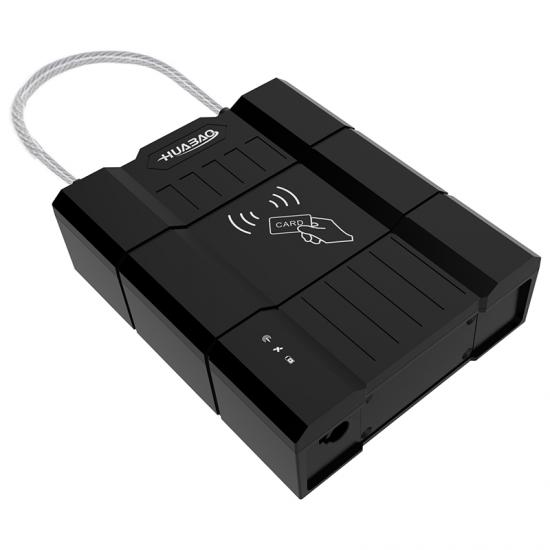
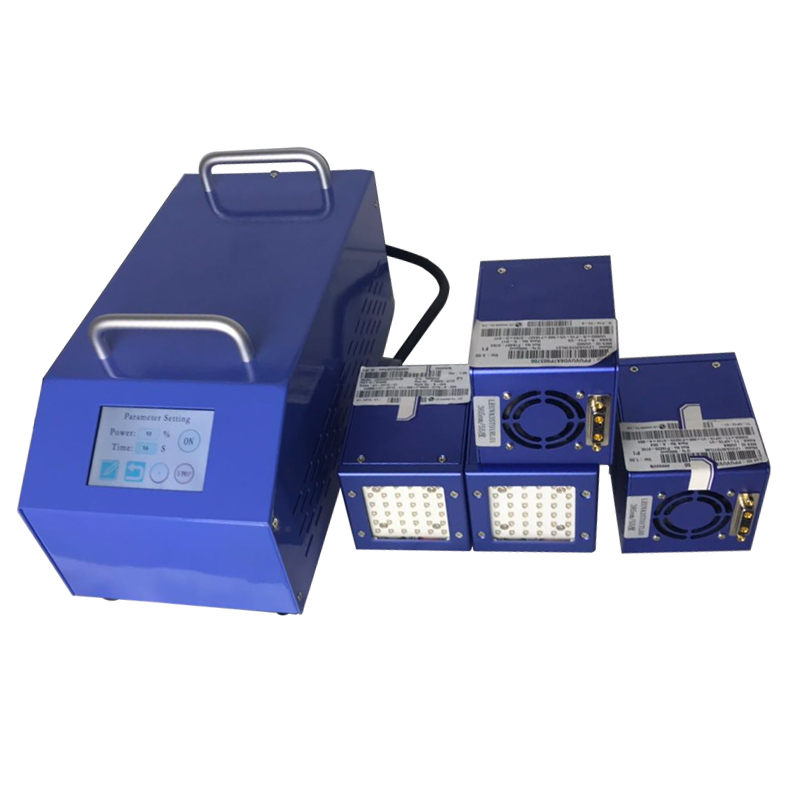
UV LED curing glue has poor gloss and brightness. Except for specific requirements of matte light, ordinary and other effects, the higher the general requirements of UV glue, the better.


The Leading Cause of Light Intensity and UV LED Photo-Curing Equipment:

1.The viscosity of UV LED curing machine itself is too small, so the printing coating is too thin.

2.Ethanol, toluene and other inactive solvents were also diluted.

3.UV LED photo-curing machine resin itself does not have enough luster.

4.The paper absorbs too much.

5.UV LED light curing machine is too thin to make the amount of light too small.

6.Improper selection of scraper and screen version.


What Solutions are suitable for solving UV Photo-Curing Machine:

1.Use of high-gloss acrylic resin.

2.Increase the viscosity of varnish properly.

3.Strictly control the ethanol content, toluene.

4.For more permeable paper, you can first apply a primer, or choose a good paper product.

5.Properly increase the diameter of anion roller.

6.Reduce blade hardness.


When printing, you can choose a lower mesh to increase the thickness of the coating.


LR41, LR43 and LR44 are all alkaline coin cell batteries, but they have certain differences in specifications and uses. Do you know the applications of these batteries in daily life? This article will analyze the differences between them in detail and explain why they cannot be used interchangeably.


What are LR43 coin cell batteries?

The LR43 battery is an alkaline button cell with a nominal voltage of 1.5V and a usable temperature range of 0°C to 60°C, with an optimal operating temperature of approximately 20°C. This battery is popular for its durability, high capacity, high energy density, and stable and reliable performance.

LR43 button cell batteries are used in a variety of devices, including watches, electronic toys, remote controls, and calculators. LR43s are also interchangeable with other battery types, such as SR43, AG12, LR1142, 386, 301, 186, etc. However, it is important to note that although LR44 and LR43 are the same size, their chemical compositions are different and therefore not fully compatible. For example, SR43W, SR43, SR43SW, 386, 301, and AG12 are silver oxide button cells, while LR43 is an alkaline button cell.

It is worth mentioning that LR43 batteries do not contain mercury, are environmentally friendly and safe. Since the production standards of different brands may be slightly different, it is recommended to carefully check the product information before purchasing to ensure that it meets the needs of your device. 


LR44 battery replacement
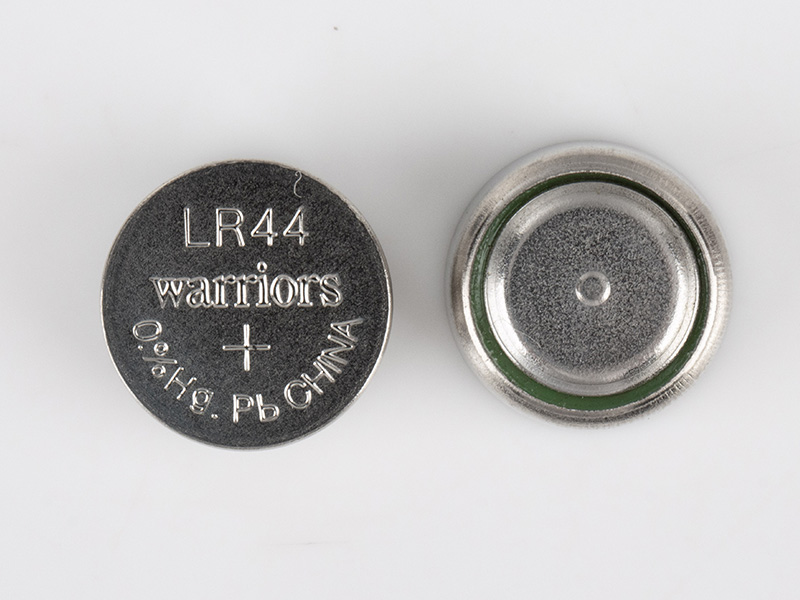
 

LR44 alkaline coin cell batteries


Batteries that are comparable in size and capacity to the LR44 may be labeled differently depending on the manufacturer. Direct replacements for the LR44 include the Duracell 76A, Energizer A76, and AG13 batteries. Despite the different names, these batteries are identical replacements for the LR44 and are interchangeable. 

There are also other batteries with the same size as the LR44 but with different chemistries, such as the SR44, SR44SW, 357, and 303 silver oxide batteries. These batteries feature a more stable voltage output and are suitable for devices that require low power consumption and long operation, such as watches or certain medical devices.

One of the most common questions is, "Are LR44 and 357 the same?"

While 357 batteries and LR44 are similar in size, they differ in chemistry, cost, and performance. For example, 357 uses silver oxide technology, which provides longer-lasting power for low-power devices, while LR44 is primarily alkaline and is suitable for general-purpose electronic devices. 


What is an LR41 battery?
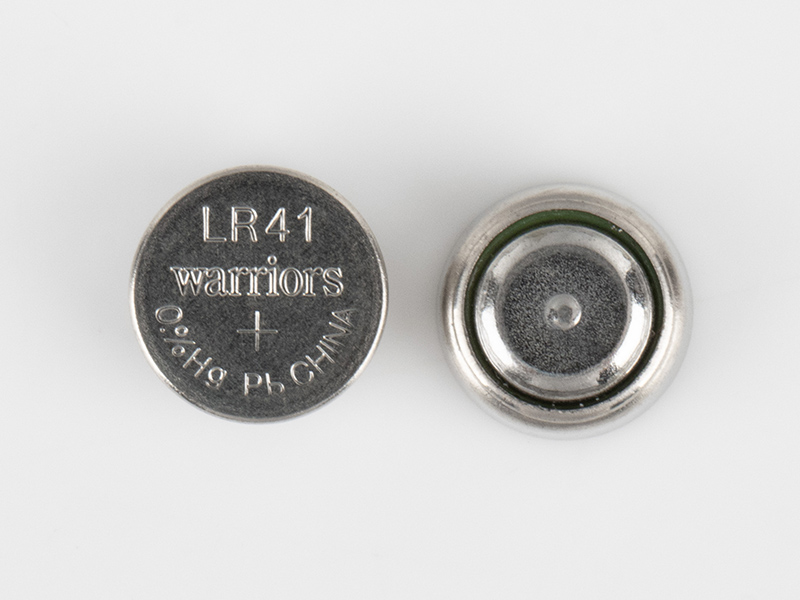
 

LR41 alkaline coin cell batteries


The LR41 is a small alkaline button cell battery that is widely used in electronic devices. Many well-known brands, such as Toshiba and Maxell, produce this type of battery. In addition, some smaller brands, such as Tianqiu, also offer LR41 batteries.

It's worth noting that similar sized batteries from brands such as Energizer may use different chemistries, such as silver oxide instead of alkaline, and therefore may vary in performance and usability.  


Features of LR43, LR44 and LR41

LR43 Battery Features

Cost-effective: Using manganese dioxide as the positive electrode material, it has both stability and economy.

Stable discharge capability: Even in the state of high drain pulse discharge, it can still maintain consistent voltage output.

Excellent leak-proof design: Using special sealing materials and unique structure to improve anti-leakage ability.

Environmental certification: Complies with RoHS and European environmental directives.


LR44 Battery Features

Strong high-drain discharge capability: Compared with traditional button batteries, it can maintain high current and high voltage for a longer time, and last longer.

Mercury-free safety technology: It adopts patented mercury-free process, which is suitable for high-safety applications such as medical devices.

High quality guarantee: Made in Japan, with more than 40 years of production experience, quality and reliability are guaranteed.


LR41 Battery Features

Nominal voltage: 1.5V

Nominal capacity: 25-32mAh (actual discharge capacity may vary depending on brand and discharge mode)

Ultra-small size design: suitable for space-constrained devices, providing stable low-current output. 


Application scenarios for LR43, LR44 and LR41

LR43 Applicable devices

Watches

Alarms

E-books (children's books with voice function)

Calculators

Blood glucose monitors

Toys and small electronic devices


LR44 Applicable Devices

Medical devices (such as digital thermometers)

Stopwatches, calorie counters, pedometers

LED lighting, pet collars, wireless doorbells

Video games, toys, garage door openers

Electronic notepads, PDA devices

Keyless entry systems, car alarms

Computer motherboards, laser pointers, calculators, watches


LR41 Applicable devices

Digital thermometers

Calculators

Laser pointers

Mini flashlights

Security system control panels

Medical instruments, watches

Memory backup systems, battery packs  


Are LR43, LR44, and LR41 interchangeable?

  • LR43 vs LR44
    • The LR43 is thinner than the LR44, and while some devices may be compatible, battery life will be reduced.
    • LR44 batteries are not a direct replacement for LR43 batteries as the size, voltage and current output are different and may affect proper operation of the device.
  • LR41 vs LR44
    • LR41 is significantly smaller than LR44 and has a lower energy capacity and is not a direct replacement.
    • The LR41 is equivalent to the 392-type battery, while the LR44 is closer to the 357-type silver oxide button cell.


Conclusion

Due to differences in size, voltage and energy capacity, LR43, LR41 and LR44 are not fully interchangeable. Using incompatible batteries may shorten the life of the device or cause the device to not function properly, so it is recommended to always choose a model that is compatible with the device to ensure optimal performance.  

If you want to know more about the market price and other information of LR41, LR43 and LR44 batteries, you can consult at www.warriorscell.com.
 

Whether its your car key fob, digital watch, or kitchen scale, coin cell batteries are an important source of power for these devices. The CR2032 and CR2025 are two of the most common types, but many people dont know the difference between them. Does size matter? What are the performance differences? How do you choose the best one for your device?

This article will take a deep dive into the characteristics of CR2032 and CR2025 batteries to help you make an informed choice.


Part 1. What does CR stand for?

First, lets understand what the CR prefix means. CR stands for lithium coin cell, which uses lithium manganese dioxide (LiMnO2) as the main chemical component. This chemical material gives the battery a stable output voltage and provides a long storage life of typically 5 to 10 years.

In contrast, other coin cell batteries may use different chemistries, such as:

• “LR (alkaline battery)

• “SR (silver oxide battery)

So when you see the CR logo, you know its a lithium battery designed for low-power, long-life applications.


Part 2. What is a CR2032 battery?


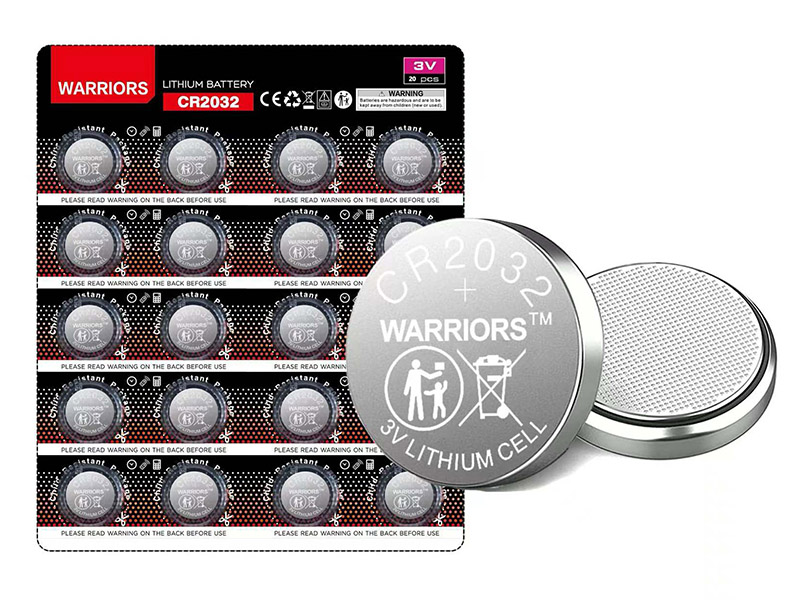
CR2032 lithium coin cell battery


The CR2032 lithium coin cell battery is one of the most widely used button batteries, favored for its balanced size and capacity. As you can see from the naming convention:

The first two digits "20" represent the battery's 20 mm diameter

The last two digits "32" represent the battery's 3.2 mm thickness

CR2032 button cell batteries are highly regarded for their high capacity, with a voltage of 3v, typically between 210 mAh and 240 mAh, making them ideal for devices that require longer-lasting power. From medical devices like blood glucose monitors to everyday items like car key fobs and small remote controls, CR2032 batteries provide reliable power, even in colder conditions where other batteries may fail.


Part 3. Understanding CR2025 Batteries


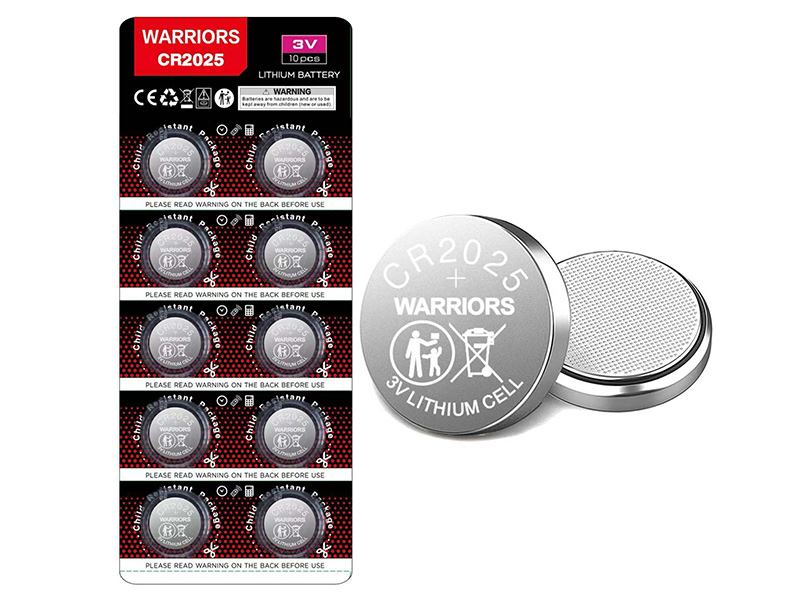
CR2025 lithium coin cell battery


The CR2025 is also part of the CR series of button batteries, and the "2025" in its name means:

Diameter: 20 mm

Thickness: 2.5 mm (slightly thinner than the CR2032)

Due to their smaller capacity and 3v voltage, typically between 210 mAh and 240 mAh, CR2025 button cell batteries may not last as long as their thicker counterparts, especially in devices that require a steady supply of power. However, they are still very effective in low-power devices such as watches, small remote controls, and some medical devices such as thermometers.


Part 4. CR2032 vs. CR2025: Which is Better?

There is no absolute "better" choice when it comes to choosing between a CR2032 and a CR2025. It really depends on your specific needs. If your device requires a battery with a larger capacity and longer life, such as a car key fob or medical device, then the CR2032 button cell battery would be your first choice. On the other hand, if your device has a more compact battery compartment or requires minimal power consumption, then a CR2025 button cell battery may be a better fit.


Part 5. How do I choose the right battery?


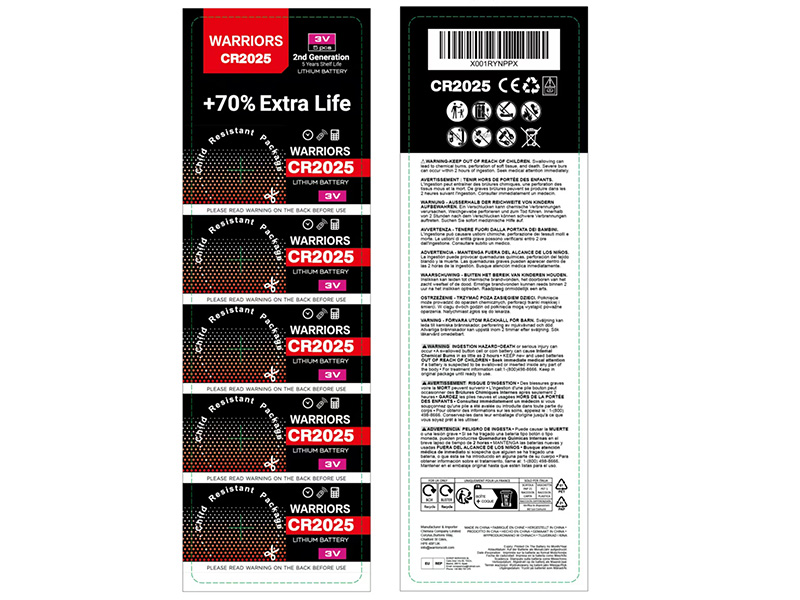
CR2025 button cell battery


The choice between a CR2032 or CR2025 depends largely on the power requirements of the device and the available space in the battery compartment. For example, if your device manual specifies the use of a CR2025, it may be due to size constraints. In this case, using a CR2032 (even if it has a higher capacity) may not be a good fit. When replacing batteries, it is recommended to refer to the device manual to ensure that the selected battery meets the requirements.


Part 6. Are CR2032 and CR2025 interchangeable?

In many cases, it is not possible to replace a CR2025 with a CR2032, but this depends on the device's battery compartment. Since the CR2032 is thicker, it may not fit into a compartment designed for the thinner CR2025.


Part 7. Are CR2032 and CR2025 rechargeable?

Generally, CR2032 and CR2025 batteries are disposable and not rechargeable. If they become depleted, they should be properly recycled.


In general, it is best to use the battery type specified in the device manual for optimal performance and safety.

When it comes to choosing a CR2450 coin cell battery, many people are confused: Which one should I choose? Will choosing the wrong one damage my device? How long can it last? These questions may be troubling, but don't worry! This article will give you a detailed introduction to the specifications, uses, and how to properly select and maintain CR2450 button cell batteries.


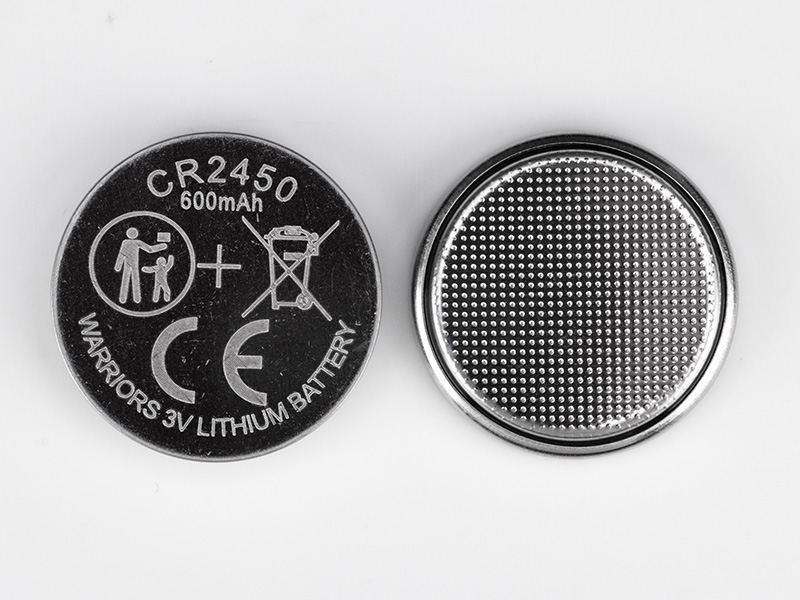
CR2450 button cell batteries


What is a CR2450 battery?

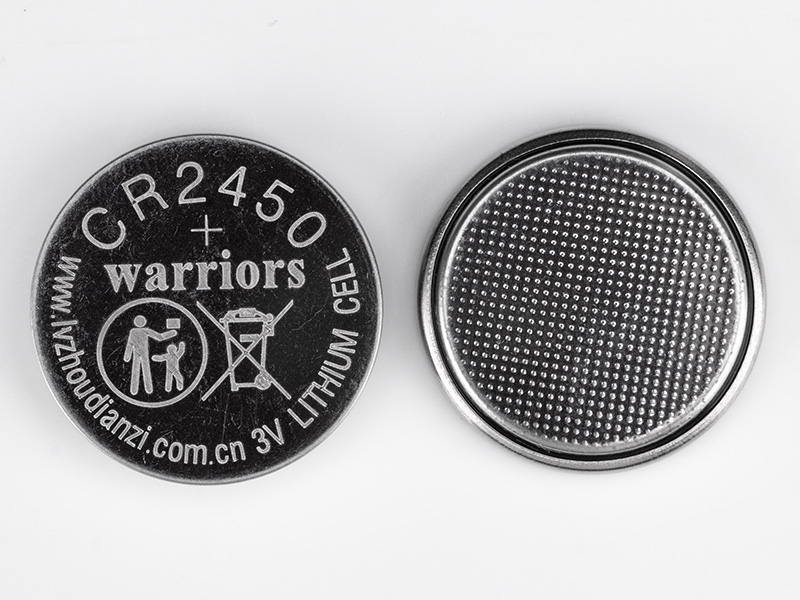
The CR2450 button cell battery is a compact lithium battery widely used in electronic devices. The "CR" refers to its Lithium Manganese Dioxide (LiMnO2) chemistry, while the "2450" refers to its dimensions:

Diameter: 24 mm

Thickness: 5.0 mm

CR2450 is known for its high energy density and long life, and is suitable for a variety of small electronic devices such as remote controls, medical instruments, and IoT devices. 


CR2450 Battery Specifications

Specifications

Detail

Battery Type

CR2450

Nominal voltage

3V

Capacity

500-620 mAhvaries by manufacturer

Diameter

24.5 mm0.965 in

Height

5.0 mm0.197 in

Weight

Approx. 6.5 g

Chemical system

Lithium manganese dioxide (LiMnO2)

Operating temperature range

-20°C to +70°C

Self-discharge rate

< 1% per year (at room temperature)

Continuous discharge current

0.2-0.5 mA

Maximum discharge current

1-3 mA (varies by manufacturer)

Shelf life

5-10 years (depending on storage conditions)


How to choose the right CR2450 battery?


CR2450 button cell batteries


1. Device compatibility

CR2450 is widely used in watches, car keychains, medical instruments, etc. Please check the battery compartment specifications of the device before purchasing to ensure compatibility.

2. Price and cost performance

CR2450 batteries generally cost between $2 and $10, depending on the brand and the quantity purchased. Although cheap batteries may seem more cost-effective, high-quality batteries have a longer lifespan and are more cost-effective in the long run. 

3. Well-known Brand Recommendations

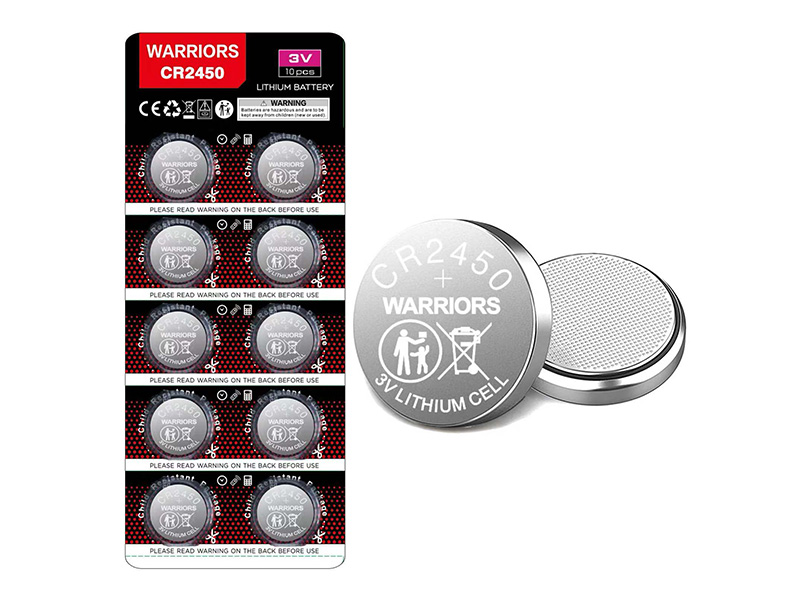
Some trusted CR2450 battery brands include Energizer, Duracell, Panasonic. These manufacturers are known for producing high-quality, reliable batteries that perform harmoniously. However, lesser-known brands such as Warriors also offer good quality at competitive prices. 

4. Factors to consider when buying

When choosing CR2450 button cell batteries, consider the following:

Capacity: The higher the mAh value, the longer the life.

Expiration date: Buy batteries with a long shelf life.

Environmental conditions: If exposed to extreme temperatures, make sure they are rated accordingly.

Package quantity: If you use them frequently, you may save money by buying in bulk. 


Application scenarios of CR2450 batteries


CR2450 button cell batteries


Internet of Things devices: such as wireless sensors, wearable health devices.

Remote controls: car key chains, TV remote controls, garage door remote controls.

Medical devices: blood glucose monitors, hearing aids, electronic thermometers.

Consumer electronics: watches, calculators, electronic timers.

Toys and games: electronic toys, handheld game consoles.

LED lighting: key chain lights, decorative light strings.

Backup power: memory backup for electronic devices.

Fitness trackers: pedometers, health testing equipment.

Access control systems: RFID tags, smart door locks.


Advantages of CR2450 Batteries

1. High Energy Density

-CR2450 battery is small in size but has high energy capacity. It typically provides about 620620 mAh, which is ideal for devices that need long-lasting power.

2. Long Shelf Life

-Low self-discharge rate means up to 90% of capacity can be retained after 10 years of storage - Ideal for use as a backup power source for storage devices or long-term use.

3. Wide Operating Temperature Range

-Reliable operation in the range of -20°C to +60°C, can be used outdoors or in harsh environments.

4. Stable Voltage Output

-Provides a stable 3V output, which is enough for many electronic devices such as watches or remote controls.

5. Compact Size

-Suitable for small devices without compromising power supply.

6. Leak-proof Design

-Leak-proof design reduces the risk of device damage. 


CR2450 Battery Storage and Care

Proper Storage

Always handle these small button batteries with clean, dry hands to prevent moisture or dirt from affecting them. Avoid touching their flat surfaces, as oils from your skin can cause problems potentially shortening their lifespan. Use non-conductive tools when inserting or removing the battery from a device to avoid short circuits.


Storage Tips for Extended Shelf Life

For optimal storage of your CR2450, keep it in a cool, dry place away from direct sunlight ideally between 10°C-25°C (50°F-77°F). Keep it in its original packaging if possible; plastic containers are also great for preventing moisture/accidental shorts, but make sure to keep it separate from other metal objects/batteries that could pose a safety hazard! By following these tips, you can rest assured knowing they will stay fresh and ready to go when you need them later!


How to Test Battery Performance

To test your CR2450 button cell battery, use a multimeter set to DC voltage. A healthy battery should read close to 3 volts. If it reads significantly lower, it needs to be replaced. Some devices have built-in battery indicators; refer to the device manual for specific testing procedures. 


Signs of a CR2450 lithium manganese battery failure

Watch for the following indicators of battery failure:

Dimming of the device display or LED

Intermittent device operation

Frequent low-battery warnings

Unusual behavior of the electronic device  


Can the CR2450 be replaced with another battery type?

No. Use batteries that match the size (24mm wide, 5mm thick) and voltage (3.0V). Similar types (such as BR2450) may be suitable for low-drain applications, but have different chemistry and lower capacity. 


Safety precautions when using CR2450 coin cell batteries:

Keep button batteries out of the reach of children to prevent accidental swallowing, which may cause serious choking risks or internal damage.

Avoid exposing the battery to high temperatures, do not puncture it or attempt to charge it to prevent safety hazards from short circuits or leakage.

It is recommended to store the battery in a cool, dry environment to maintain its optimal performance and extend its life.

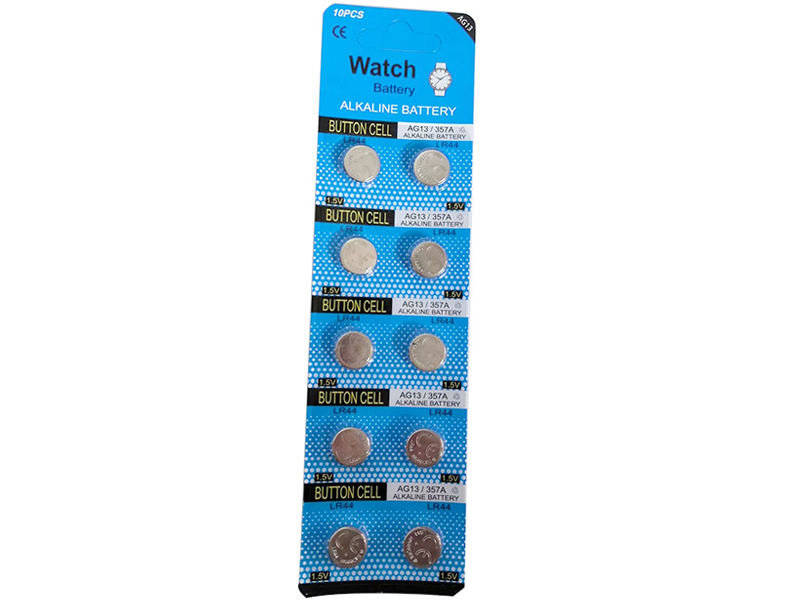
What is an LR44 battery?


LR44 Button Cell Batteries


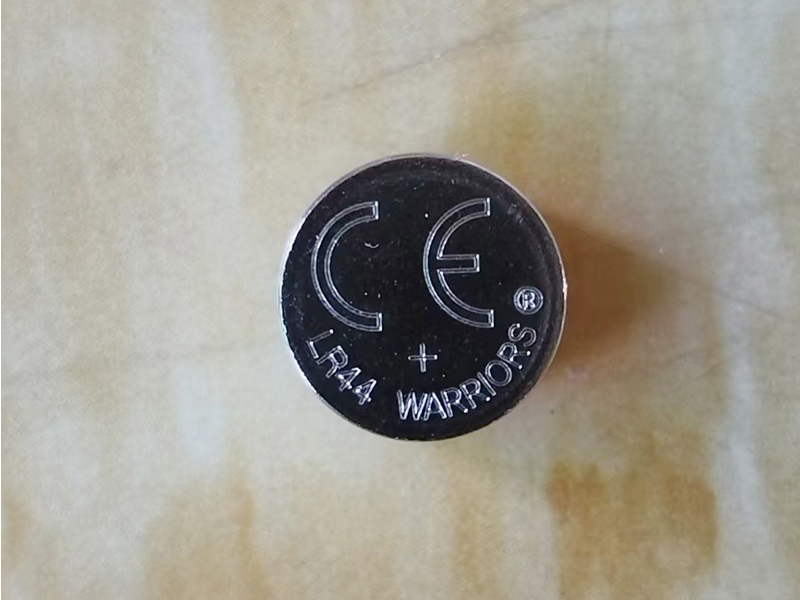
The LR44 battery is a small, round, disposable 1.5V Alkaline Manganese Batteries. It is often called a "button battery" because of its coin-like appearance. It has a diameter of 11.6 mm and a height of 5.4 mm and is often used to power small electronic devices.


Uses of LR44 Button Cell Batteries

LR44 Button Cell Batteries are widely used in various small electronic products. Due to their small size and stable output of 1.5V voltage, they are used in the following devices

  • Digital products: such as calculators, electronic watches, key cards, car remote controls and keyless entry systems.
  • Toys and electronic entertainment: suitable for electronic toys, talking greeting cards, laser pointers, etc.
  • Medical equipment: such as hearing aids, blood glucose meters, electronic thermometers, etc.
  • Other equipment: Some small cameras, LED lighting devices, smoke alarms, etc. may also use LR44 batteries.

With its high adaptability, LR44 button cell batteries have become a reliable power source for many home and office devices, ensuring the normal operation of various daily devices.


How many volts does an LR44 button cell batteries have?


LR44 button cell batteries


LR44 button cell batteries have a nominal voltage of 1.5 volts. They are able to deliver this voltage steadily during normal operation. However, as the battery wears down, the voltage may drop slightly.


How do I install an LR44 button cell batteries?

Replacing an LR44 Button Cell Batteries is relatively simple, and here are the basic instructions:

1. Identify the battery compartment: Locate the battery compartment on your smartphone. It is usually secured by a screw or latch.

2. Open the compartment: Follow the procedure for opening the container as indicated in your device's manual.

3. Remove the old battery: Gently remove the old battery using your fingers or a non-metallic utensil. Do not touch the positive and negative terminals with your bare hands.

4. Orient the new battery: The positive (+) and negative (-) markings on the new battery should correspond to the markings on the battery compartment.

5. Insert the new battery: Carefully insert the new battery into the battery compartment, making sure the positive and negative terminals are properly aligned.

6. Close the compartment: Secure the compartment according to the device's instructions. Most compartments either snap shut or require screws to secure.


Before replacing the battery, it is recommended to consult the device manual to ensure operation complies with official guidelines.


Are AG13 and LR44 Button Cell Batteries the same?


LR44 Button Cell Batteries


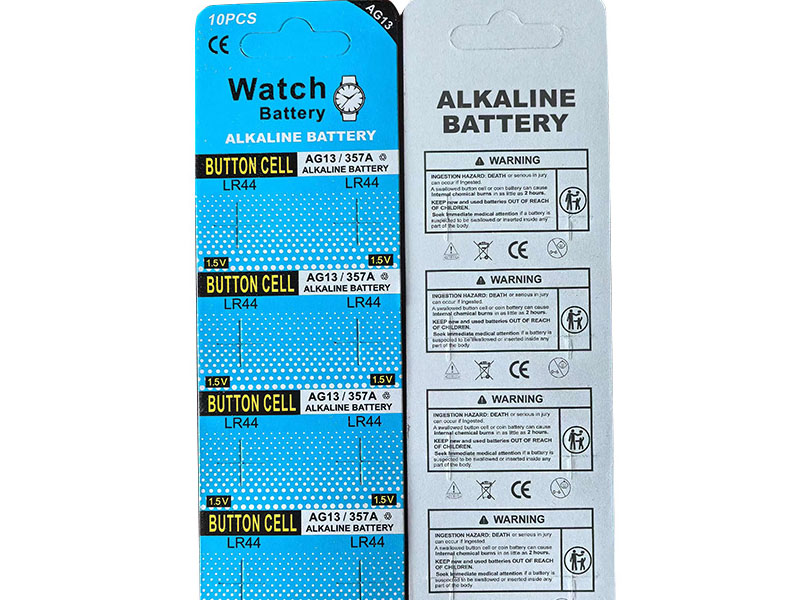
Yes, AG13 and LR44 are actually the same battery, just with different names. They are identical in specifications and performance and can be used interchangeably.


LR44 Batteries Life

The battery life of LR44 batteries is affected by the following factors:

Device power consumption: High power consumption devices will accelerate battery consumption.

Battery material: Different versions of LR44 may have slightly different battery life performance.

Usage habits: Frequent use of the device will shorten the battery life.

Storage environment: Storage in high temperature or extreme humidity conditions will affect the battery life.


Generally speaking, the service life of LR44 batteries can range from a few months to a few years. For example, a low-power watch may last for several years, while a frequently used toy may require frequent battery replacement.


Tips for purchasing LR44 button cell batteries

When purchasing LR44 batteries, it is recommended to choose a reputable brand and avoid low-priced, low-quality products. If you need to use it for a long time, buying in bulk may be more cost-effective.


Summary

LR44 battery is a highly efficient power source widely used in small electronic devices. Knowing its specifications, alternative models and correct usage methods can ensure long-term stable operation of the device.

Quantum computing is poised to revolutionize various industries, from cryptography and material science to artificial intelligence and complex system modeling. Unlike classical computers that process information in binary (0s and 1s), quantum computers leverage qubits, which can exist in superposition states, allowing for exponentially greater computational power. Major technology giants and research institutions worldwide, including Google, IBM, and China's University of Science and Technology, are racing to achieve quantum supremacy, where a quantum computer outperforms the most powerful classical supercomputers.


The Current State of Quantum Computing Development

Despite impressive breakthroughs, quantum computing is still in its early stages. The primary challenge remains error correction and stability, as quantum states are highly susceptible to decoherence. To maintain qubit stability, extreme cooling is required, often down to millikelvin temperatures using dilution refrigerators. Research teams worldwide are developing novel qubit architectures, including superconducting qubits, trapped ions, and topological qubits, each with its advantages and challenges. As the field progresses, the role of supporting electronic components, such as crystal oscillators, is becoming increasingly significant.

Crystal oscillators for quantum computers 

The Role of Crystal Oscillators in Quantum Computing

While quantum computing operates on fundamentally different principles from classical computing, peripheral control circuits still require highly stable timing references. Crystal oscillators for quantum computers provide precise clock signals essential for control electronics, error correction protocols, and communication between qubits and classical hardware. Given the extreme environmental conditions in quantum computers, these oscillators must exhibit exceptional frequency stability and resilience.


Future Demands on Crystal Oscillators

As quantum computing technology evolves, the requirements for crystal oscillators will become more stringent. High-frequency accuracy and minimal phase noise will be crucial to ensure precise timing in quantum operations. Additionally, components must be designed to withstand ultra-low temperatures and electromagnetic interference, necessitating innovations in resonator materials and packaging technologies.


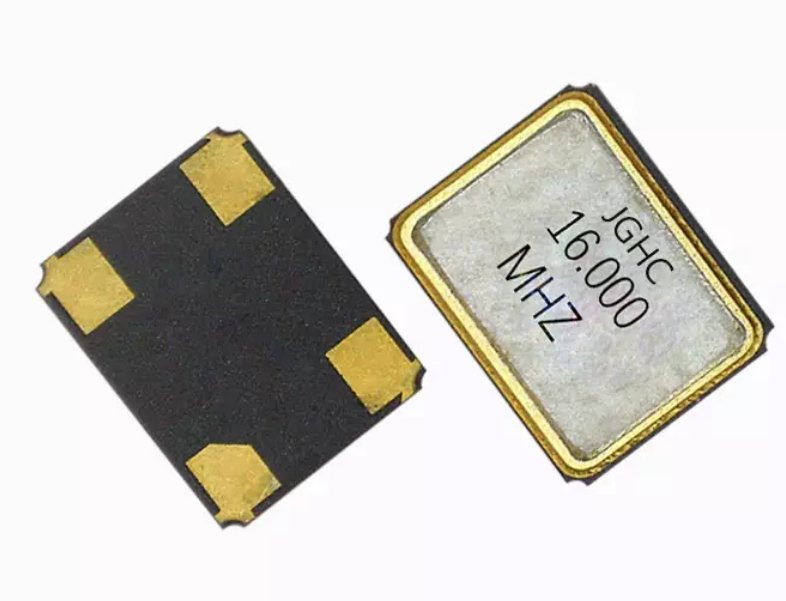
Industrial Grade Passive Crystal Resonators are being developed to meet these high-precision demands, providing a stable frequency reference that supports the intricate requirements of quantum systems. These resonators must operate reliably in extreme environments, making them essential for maintaining system integrity in quantum computing applications.


The Collaborative Effort Between Research Institutions and Crystal Oscillator Manufacturers

Scientific research institutions and specialized component manufacturers are actively collaborating to develop next-generation oscillators tailored for quantum computing. Companies specializing in custom quartz crystal resonators are already exploring ways to enhance performance metrics such as temperature stability, aging resistance, and phase noise reduction. Early-stage cooperation between academia and industry is essential to ensure that crystal oscillator technology keeps pace with the rapid advancements in quantum computing.


With the increasing demand for quantum-compatible components, the market for crystal oscillator purchase and crystal oscillator wholesale is expanding. As quantum computing moves toward practical applications, these components will become critical in establishing reliable and scalable quantum infrastructure.


Quantum computing has the potential to reshape the technological landscape, offering unprecedented computational power for solving complex problems. However, the success of quantum computing relies not only on qubit advancements but also on the refinement of supporting technologies. Crystal oscillators play a pivotal role in maintaining the stability and functionality of quantum systems, and ongoing innovations in oscillator technology will be key to unlocking the full potential of quantum computing. By fostering collaboration between research institutions and industry leaders, the development of high-precision, extreme-environment-compatible oscillators will help pave the way for the quantum revolution.


Shenzhen Jingguanghua Electronics Co., Ltd. (JGHC) has been committed to becoming a global leader in clock crystal solutions since its establishment in 1996. As a high-tech enterprise integrating R&D, production and sales, JGHC has won the trust and support of global customers with its comprehensive products and services. If you have any product requirements, please send us an email at ivy@jghcrystal.com and we will provide you with the most professional solutions.

1. Semi automated operation

Human machine collaboration: The core membrane expansion process is automatically completed by machinery (such as film stretching, wafer fixation), but steps such as loading and unloading, parameter setting, etc. require manual participation.

Operational flexibility: Suitable for small batch and multi variety production, easy to adjust parameters (such as tension and speed) to meet different process requirements.

2. Simple structure and low cost

Compact design: Compared to fully automatic equipment, the mechanical structure and control system are simplified, the footprint is small, and it is suitable for small and medium-sized enterprises or laboratories.

Low investment threshold: The initial procurement and maintenance costs are significantly lower than those of fully automatic models, making it suitable for scenarios with limited budgets.

3. High precision and stability

Uniform film expansion: By using precision mechanical structures such as servo motors and ball screws, the film is stretched evenly to avoid wafer breakage or displacement.

Tension control: The adjustable tension system prevents the film from being too tight or too loose, ensuring cutting quality.

4. Strong compatibility

Multi size adaptation: Supports wafers of different sizes (usually frame rings of the same size can be compatible with wafers smaller than 6 inches), and can be quickly switched by changing fixtures or carriers.

Diversity of film materials: compatible with blue film, UV film and other materials, some models support temperature adjustment (such as heating platform for UV film curing).

5. Safety protection design

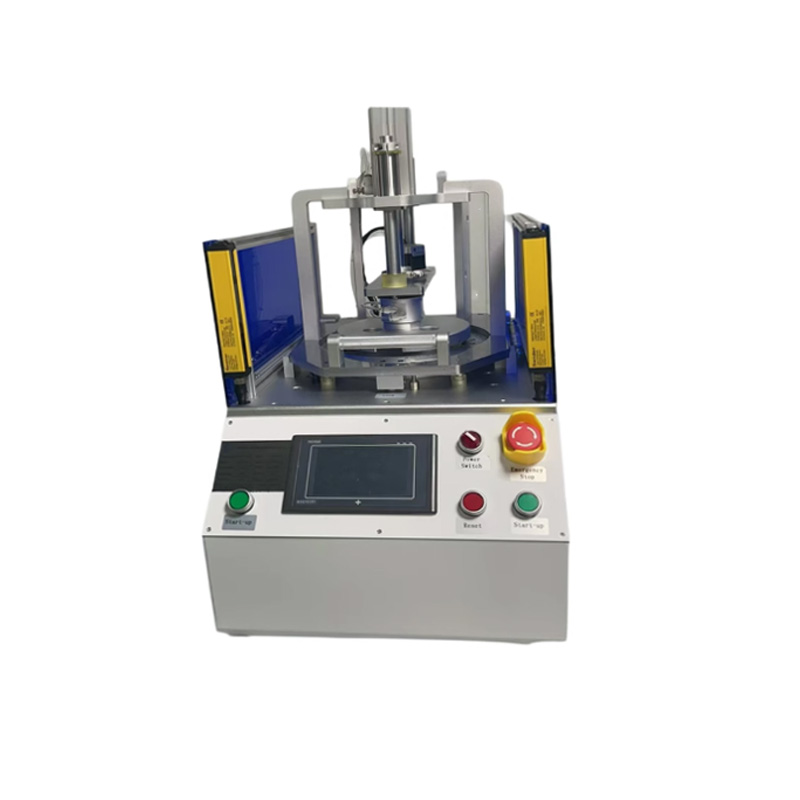
Emergency braking: equipped with an emergency stop button, safety light barrier or sensor to prevent equipment or wafer damage caused by operational errors.

Anti pressure injury mechanism: The mechanical component design avoids the risk of hand clamping and complies with industrial safety standards.

6. Easy to maintain and low energy consumption

Modular components: Key components such as pneumatic components and guide rails are easy to disassemble and maintain, reducing downtime.

Low energy consumption: Semi automated structures typically have lower power consumption and controllable operating costs.
wafer expander machine

The semi-automatic wafer expansion machine is a key equipment in semiconductor packaging and cutting processes, mainly used for thin film expansion (such as blue film, UV film, etc.) before wafer cutting to ensure stable and non displaced grains during the cutting process


Step into the realm of visual marvels as we delve deep into the captivating world of display color gam. In this ethereal journey, prepare to be mesmerized by the intricate dance of hues and the symphony of shades that unfurl before your eyes, as we unravel the secrets behind a monitor's color range.

Picture this: a vast canvas stretching infinitely, waiting to be adorned with a kaleidoscope of colors. The color gamut of a monitor determines the breadth of this canvas, encompassing a spectrum of vibrant tones and hues that bring your visuals to life. From the deep, velvety blacks to the radiant, luminous whites, every color in between is a brushstroke on this vivid palette of digital artistry.

But why settle for ordinary when you can transcend the boundaries of imagination? Enter the realm of wide color gamut monitors - a gateway to a world where colors escape their mundane limitations, allowing for a more immersive and breathtaking visual experience. With a wider range of hues, these monitors effortlessly capture the subtle nuances of nature, the radiant vibrancy of a stunning sunset, or the delicate hues of a blooming flower with unparalleled accuracy.

Venturing further, we encounter the fascinating concept of color spaces, where different monitor technologies showcase their own unique interpretation of the visible spectrum. From the sRGB color space offering a standard range of colors to the Adobe RGB, which expands the possibilities by encompassing a broader spectrum, each color space presents a new frontier for creativity and expression.

Now, imagine an artist with a brush in hand, imbued with the power to manipulate colors at will. Armed with a high-quality monitor boasting an extensive color gamut, the artist's imagination takes flight. They bring to life breathtaking landscapes with impeccable precision, harnessing the boundless potential of their tools to evoke emotions and enthrall audiences.

As technology continues to evolve, we find ourselves standing at the threshold of revolutionary advancements in display color gamut. With the advent of HDR (High Dynamic Range) and wide color gamut technologies, the boundaries of what we perceive are shattered, as monitors unveil a visual feast of depth, contrast, and breathtaking realism.

In this ever-expanding realm, the possibilities are as infinite as the colors themselves. From graphic designers seeking pixel-perfect precision to photographers yearning to capture the essence of a moment, the quest for a remarkable display color gamut remains a constant pursuit.

So, dear reader, as we conclude this voyage through the mesmerizing landscape of monitor color gamut, remember this: the canvas of creativity knows no bounds. Embrace the vastness of possibilities, for within the realm of vibrant hues and radiant shades lies a world waiting to be discovered and explored. Let your imagination roam free, fueled by the kaleidoscope of colors that await at your fingertips.

The Internet of Things (IoT) has witnessed exponential growth in recent years, with billions of connected devices deployed across industries such as smart homes, industrial automation, healthcare, and smart cities. These devices rely on precise synchronization and real-time data exchange to function effectively. Maintaining accurate timing is crucial for ensuring seamless communication between IoT devices, minimizing power consumption, and optimizing overall system performance.

One of the key components enabling accurate timing in IoT devices is the crystal oscillator. These components generate stable clock signals, allowing IoT devices to synchronize their operations efficiently. As IoT applications continue to evolve, the demand for crystal oscillators with specific attributes—such as low power consumption, miniaturization, and high frequency stability—has increased significantly.

Wireless Module Crystal Resonator 

The Role of Crystal Oscillators in IoT Devices

Crystal oscillators are widely used in IoT applications to provide precise timing references. They ensure stable operation in various wireless communication modules, including Bluetooth, Wi-Fi, LoRa, and Zigbee. IoT networks require highly accurate timekeeping to support reliable data transmission, efficient power management, and seamless interoperability between connected devices.


For example, a 32MHz crystal oscillator is commonly integrated into wireless communication modules to facilitate accurate frequency control and signal synchronization. The oscillator ensures that data packets are transmitted and received at precise intervals, reducing latency and improving connectivity.


Key Benefits of Crystal Oscillators in IoT Applications

Low Power Consumption – IoT devices often operate on battery power, necessitating components that consume minimal energy. Low power passive crystal resonators help extend battery life while maintaining high precision timing.

Miniaturization and Compact Design – Modern IoT devices require components with small form factors to fit within constrained spaces. Products like the Small Size Quartz Crystal Resonator S22 Series offer a compact footprint without compromising performance.

High Frequency Stability – Wireless communication modules rely on stable frequency signals for accurate data transmission. The Wireless Module Crystal Resonator ensures that signal drift is minimized, maintaining the integrity of IoT networks.

Long-Term Reliability – IoT devices are often deployed in environments that require continuous operation for years. Crystal oscillators provide high durability and resistance to temperature variations, ensuring long-term stability.


Recommended Product: JGHC S22 Series Quartz Crystal Resonator

             Small Size Quartz Crystal Resonator S22 Series

A standout product in this category is the JGHC S22 Series quartz crystal resonator. This high-precision component is designed to meet the stringent requirements of IoT applications. Key features include:

2520 package for space-constrained applications.

High-frequency stability to support seamless data synchronization.

Low power consumption, making it ideal for battery-powered IoT devices.

Optimized for short-range wireless communication, including Bluetooth and Wi-Fi applications.


By integrating a reliable Wireless Module Crystal Resonator like the S22 Series, IoT developers can enhance device performance while ensuring power efficiency and long-term operational stability.


As the IoT ecosystem continues to expand, the need for precise timing and synchronization becomes increasingly critical. Crystal oscillators play a fundamental role in enabling IoT devices to communicate effectively, maintain stable connectivity, and operate efficiently on limited power sources. Products like the JGHC S22 Series Small Size Quartz Crystal Resonator provide the essential characteristics needed for modern IoT applications, ensuring reliability, precision, and energy efficiency. Choosing the right oscillator can significantly impact the performance and longevity of IoT devices, making them a key consideration in the development of future connected systems.


As we step into 2025, the logistics industry is at a pivotal turning point. HUABAO is committed to enhancing the efficiency of in-transit cargo management through our innovative product—the GPS Electronic Seal. We believe that with intelligent solutions, we can significantly improve the safety and efficiency of cargo transportation, thereby delivering greater value to our customers.


GPS Electronic Seal: A New Partner in Intelligent Logistics

The GPS Electronic Seal is more than just a lock; it is a customized intelligent solution tailored by HUABAO for the logistics industry. This product integrates GPS technology, bringing revolutionary changes to the management of cargo in transit.


Real-time Tracking, Full Control

The built-in GPS module of the GPS Electronic Seal allows for real-time tracking of cargo, enabling logistics companies to keep tabs on the latest status of their shipments. This real-time tracking feature not only enhances the security of the cargo but also provides great convenience for logistics scheduling, making cargo transportation more efficient.


Remote Control, Flexible Management

Customers can remotely control the locking and unlocking of the GPS Electronic Seal via smart devices or the internet, achieving flexible management of cargo. This remote control feature makes the reception and delivery of goods more flexible, reducing time and cost wasted due to waiting.

4G Gps Tracker Electronic Lock

Security Alarm, Timely Response

The GPS Electronic Seal is equipped with a security alarm feature that immediately sends an alert to the customer in case of unauthorized movement or attempted tampering. This timely response mechanism ensures the safety of the cargo and also provides logistics companies with a tool for risk management.


Multi-scenario Applicability, Wide Compatibility

The design of the GPS Electronic Seal takes into account various logistics scenarios, and it can effectively manage and monitor everything from trucks and containers to small parcels. Its wide compatibility allows logistics companies to standardize management practices and simplify operational processes.


HUABAO GPS Electronic Seal is the ideal choice for the logistics industry in 2025 in pursuit of more efficient management goals. We believe that with this product, our customers can achieve an efficiency revolution in cargo in-transit management and enhance the overall level of logistics management.


keyboard_arrow_up