With the development of science and technology, the conditions of poultry farms are getting better and better. Many modern farms are equipped with intelligent lighting equipment. Among the many lighting control devices, the controller that can be fine-dimming stands out. In the dimmable controller, the fine dimming device is preferred by the farmers.


What are the benefits of fine dimming for poultry farming?
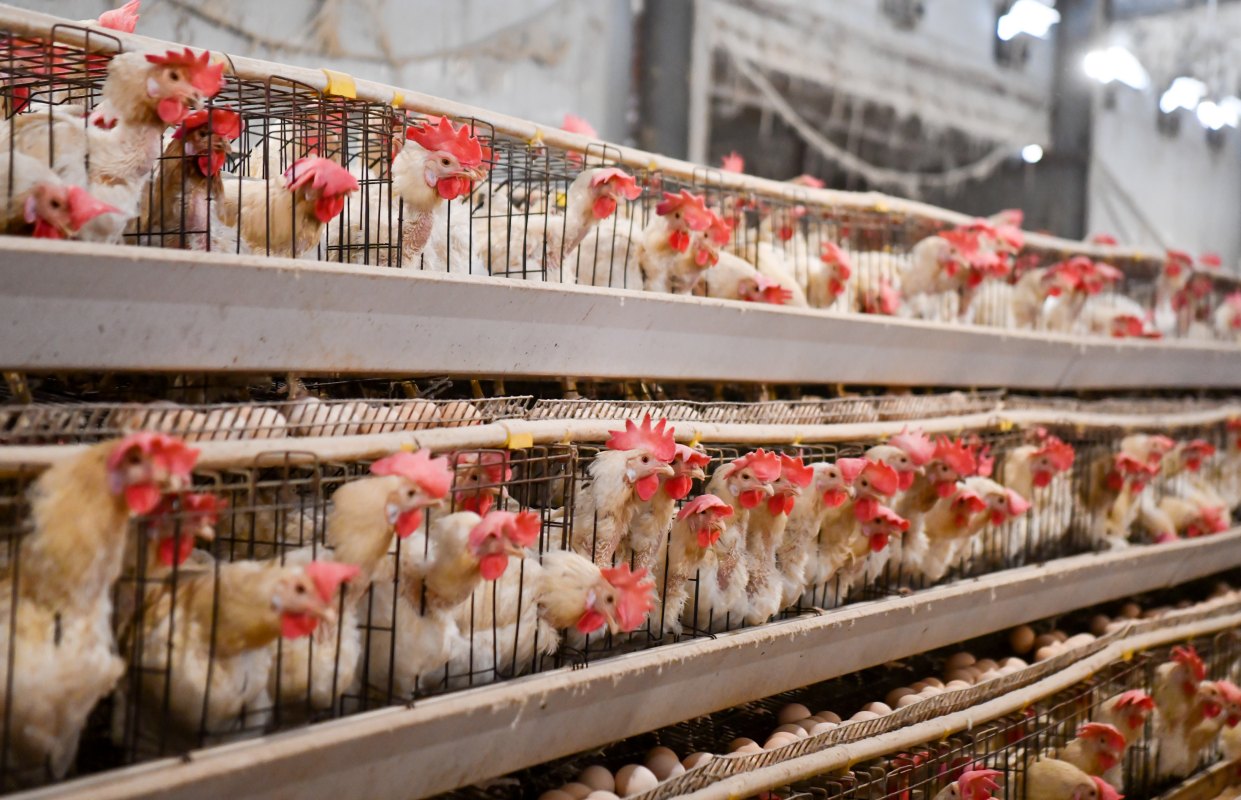


Adjust the regular schedule of poultry

In poultry farming, lights can play a role in regulating schedule of poultry. In the case of insufficient daylight or low temperature, appropriate increase of light can make poultry have a more clear work and rest routine, avoid accumulation phenomenon, and thereby improve their health.


Increases egg production

Properly configured lights can stimulate the secretion of vitellin and gonadotropin in poultry, thus promoting the growth of follicles and promoting egg production. Especially in the case of short daily average light time of less than 10 hours in winter, increasing light can effectively improve egg production, but it should be noted not to over‌.


Regulating the mental state of poultry

Lighting can properly regulate the mental state of poultry, so that poultry can live in a relatively stable environment, reduce the pressure caused by changes in sunshine time, and thus reduce the death rate.


Promote behavioural activity in poultry ‌

The rational use of light can promote the behavioral activity of poultry, so that it can maintain better vitality in daily life, and will not be too lazy.


Reduce pecking and adenomyogastritis in poultry

Dark light management can effectively reduce pecking behavior and the incidence of adenomyogastritis in poultry. Excessive light can lead to increased excitability and abnormal secretion of hormones in poultry, which can lead to digestive disorders and increased secretion of gastric acid in the glandular stomach, resulting in aggravated adenomyogastritis. Dark light management can reduce the incidence of these problems.


Improve feed utilization rate of poultry breeding

Dark light feeding helps poultry reduce energy consumption at rest, improve feed conversion and utilization, and reduce feed ratio, which is especially obvious in the process of broiler breeding.


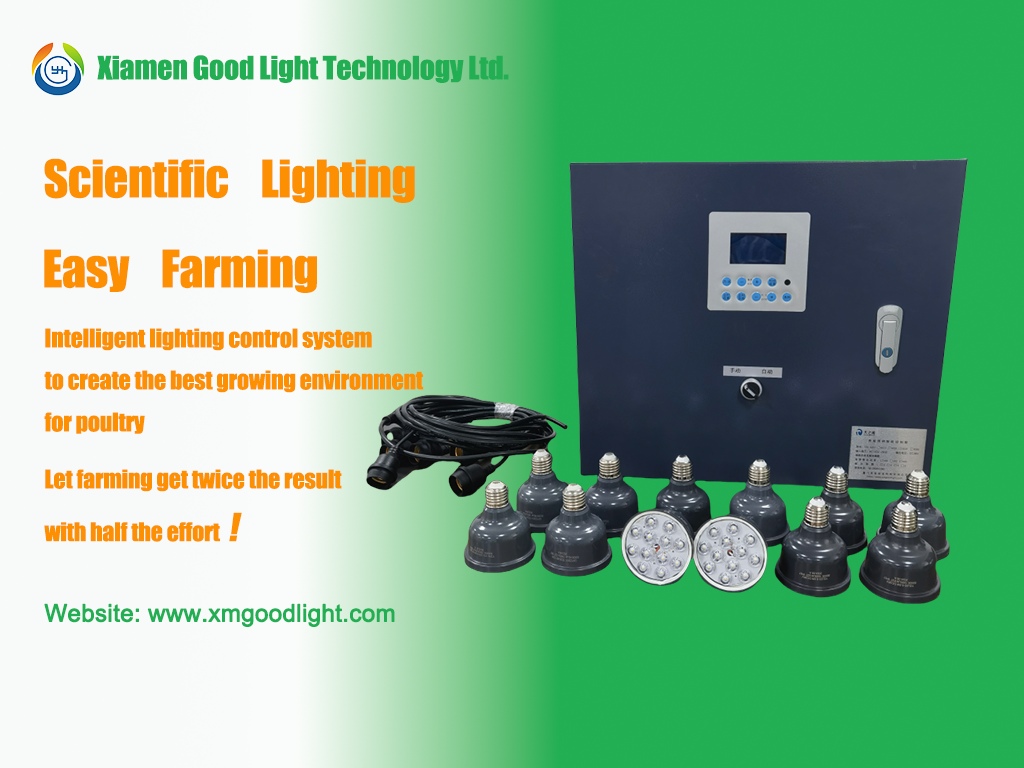
As you can see from the above, fine dimming lighting can bring a lot of benefits to poultry farming. The same effect can now be achieved with our latest products Smart Poultry Lighting Control System. Just combine three products Smart LED Poultry Light Bulbs, Smart Poultry Lighting Control Box, Cable Waterproof Lampholder Connector Line to transform your farm, improving poultry living conditions, and increasing poultry farming productivity.
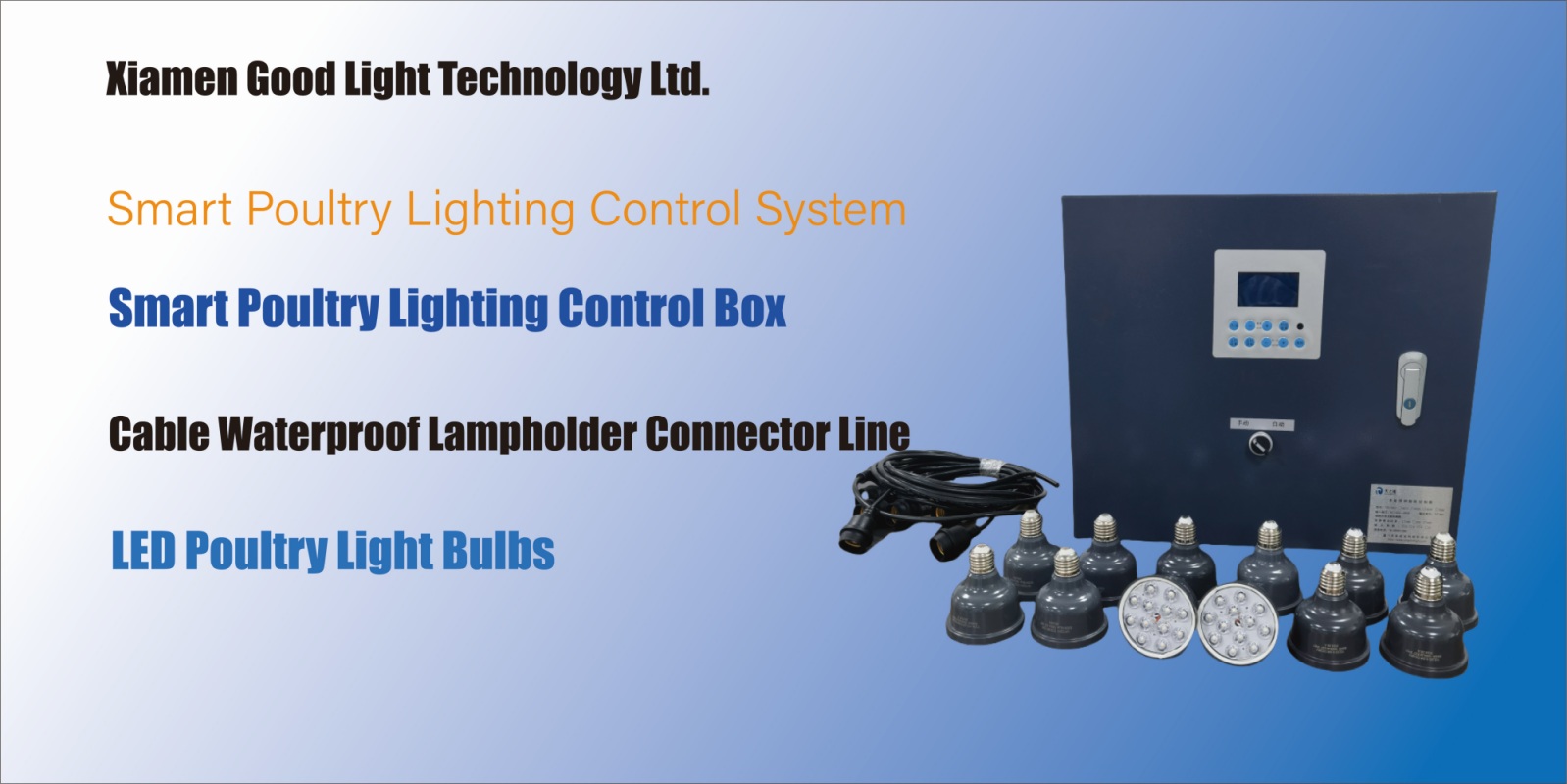


Note: The picture of chicken farm and data analysis is from the Internet.
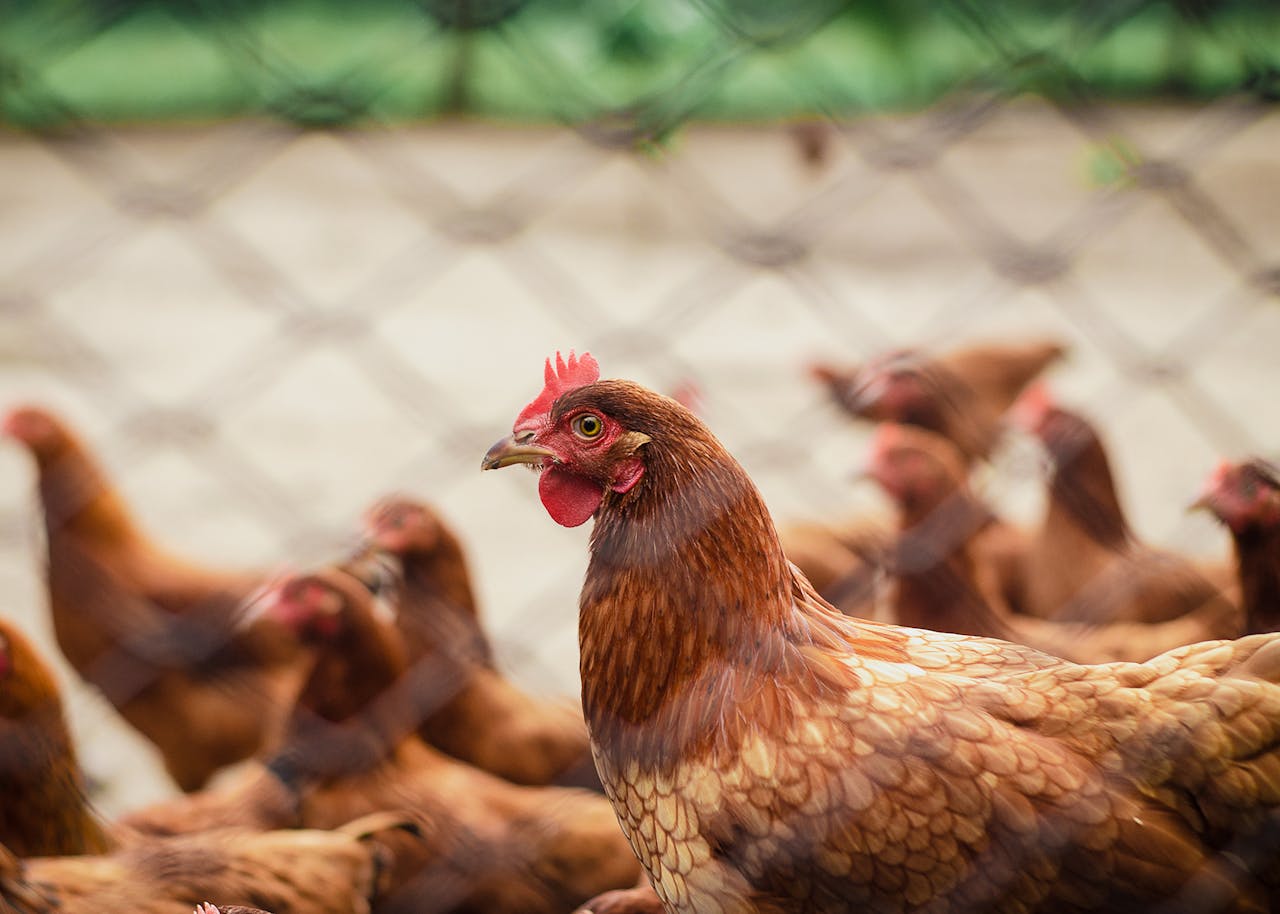
 

Lighting duration is a crucial factor in breeding management, which directly affects the growth, reproduction, behavior and health status of animals. Different kinds of animals have different needs for light, and scientific and reasonable arrangement of lighting duration can significantly improve breeding efficiency and animal welfare. The following are the main effects of different lighting duration on farming.


(Image source:Pexels)


1.Effect on growth performance

  *Appropriate lighting duration: can promote the metabolism of animals, improve feed conversion, accelerate growth.

  *Too long lighting duration: may cause animals to be overactive, consume too much energy, but affect growth.

  *Too short light duration: may inhibit the animal's appetite and activity, resulting in slow growth.


2.Effect on reproductive performance

  *Poultry (e.g. chickens)

   Increase the lighting duration: can stimulate the gonad development of hens, improve the egg production rate. A cycle of 16 hours of lighting and 8 hours of darkness is usually used.

   Reduce lighting duration: May result in a decrease in egg production or even stop egg production.

  *Mammals (e.g. pigs)

   Appropriate lighting duration: helps to regulate the estrus cycle of sows and improve reproductive efficiency.

   Too short light duration: may delay the sow's estrus and affect reproductive performance.


3.Effect on behavior

  *Regular lighting cycles: help animals develop a stable biological clock and reduce stress responses.

  *Sudden changes in lighting: May cause anxiety, increased aggression, or decreased appetite in animals.

  *Excessive lighting duration: May make the animal overactive, increasing the risk of fighting and injury.


4.Effect on immunity

  *Appropriate lighting: can enhance the immunity of animals, reduce the incidence of disease.

  *Too short lighting duration: May suppress immune system function and increase the risk of disease.

  *Too long lighting duration: may lead to animal fatigue, reduced immunity.


5.Effect on feed utilization

  *Appropriate lighting duration: can promote the regular feeding of animals, improve feed utilization.

  *Too short lighting duration: may reduce animal feed intake, affecting growth and reproduction.

  *Excessive lighting duration: May cause animals to expend excessive energy and reduce feed conversion.


6.Effect on meat quality and egg quality

  *Poultry

   Appropriate lighting duration: can improve eggshell quality and egg nutrients.

   Too long lighting duration: may lead to eggshell thinning, egg quality decline.

  *Mammal

   Appropriate lighting duration: helps to improve meat quality, increase muscle fat content and taste.

   Too short lighting duration: may lead to poor meat quality and insufficient fat deposition.


7.Effect on animal welfare

  *Appropriate lighting duration: can improve animal comfort and happiness, reduce abnormal behavior (such as feather pecking, tail biting, etc.).

  *Too short lighting duration: May cause depression and abnormal behavior in animals.

  *Too long lighting duration: may make animals tired and affect their normal rest.


8.Effect on economic efficiency

  *Scientific lighting management: can improve breeding efficiency, reduce feed costs and medical costs, increase economic benefits.

  *Unreasonable lighting time: may lead to slow growth, low reproductive efficiency and frequent diseases, increasing breeding costs.


Conclusion

Scientific and reasonable arrangement of lighting time is the key to improve breeding efficiency and animal welfare. Different kinds of animals have different needs for light, and farmers should formulate appropriate Lighting Solutions according to the types of animals, growth stages and breeding objectives.


Xiamen Good Light Technology Ltd. is a company that specializes in poultry and livestock farming lighting solutions design and R&D, production and sales of poultry and livestock lighting products. Our latest product intelligent farming lighting system, it is not only a lighting duration control system ,but also a lighting management control system. Through accurate lighting management, it can improve the growth rate and reproductive performance of animals, improve the quality of meat and eggs, reduce the incidence of disease, and ultimately maximize economic benefits.


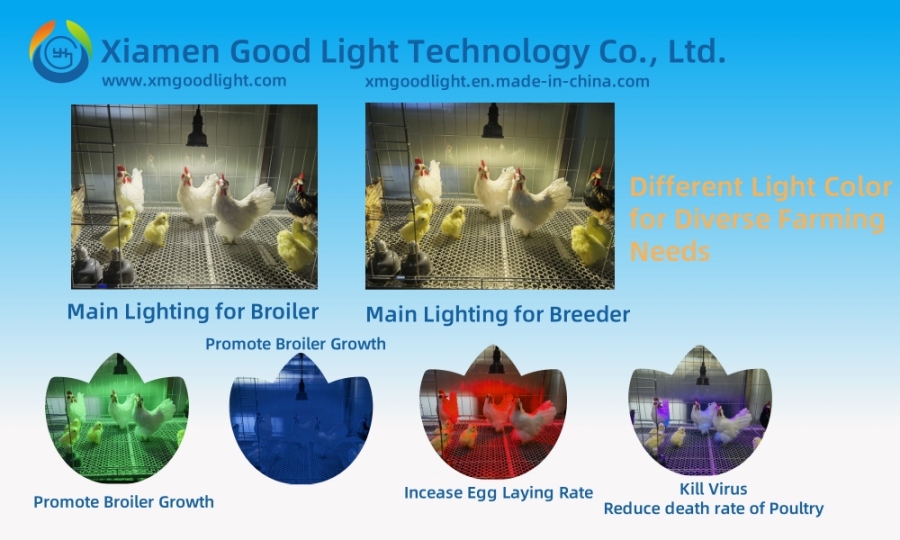
It is well known that chickens are highly sensitive to light and have a high perception of light color. However, do you know what effects different light colors have on poultry farming?


Under normal circumstances, 5000K led poultry light is used for broiler farming.

The blue light component with a color temperature of 5000K can effectively stimulate the appetite of broilers, increase their feed intake, and thereby promote weight gain. The red light component can enhance metabolic levels and help broilers utilize feed energy more efficiently.


3000K led poultry light is used for breeder farming. Warm white light with a color temperature of 3000K is closer to sunlight, which can better balance the ratio of red and blue light, stimulate the production of sex hormones in breeders, promote the development and maturation of the reproductive system, and is conducive to improving reproductive performance.


In the early growth stage of broilers, green light treatment can significantly enhance weight gain. Green light stimulation can increase the secretion of growth-promoting axis hormones in the later embryonic stage and early brooding stage of broilers, enhance the mitotic activity of skeletal muscle satellite cells, and up-regulate myogenic regulatory factors, thereby promoting muscle growth. In addition, green light can improve the structure of the small intestinal mucosa in broilers, promote the proliferation of intestinal gland cells and small intestinal goblet cells, enhance the efficiency of nutrient digestion and absorption, and thereby promote growth and development.


In the later growth stage of broilers, blue light can significantly increase the feed conversion rate, enabling broilers to achieve higher weight gain with the same feed intake. Blue light can stimulate the anterior pituitary gland to secrete luteinizing hormone (LH) and follicle-stimulating hormone (FSH). These two hormones respectively regulate the development of the ovaries and testicles, thereby promoting the maturation of the reproductive system. Blue light can promote the synthesis of muscle proteins and enhance the quality of meat. For instance, blue light can improve indicators such as pectoral muscle weight and leg muscle weight in broilers, and reduce the feed-to-weight gain ratio (F/G), enabling broilers to utilize feed more efficiently.


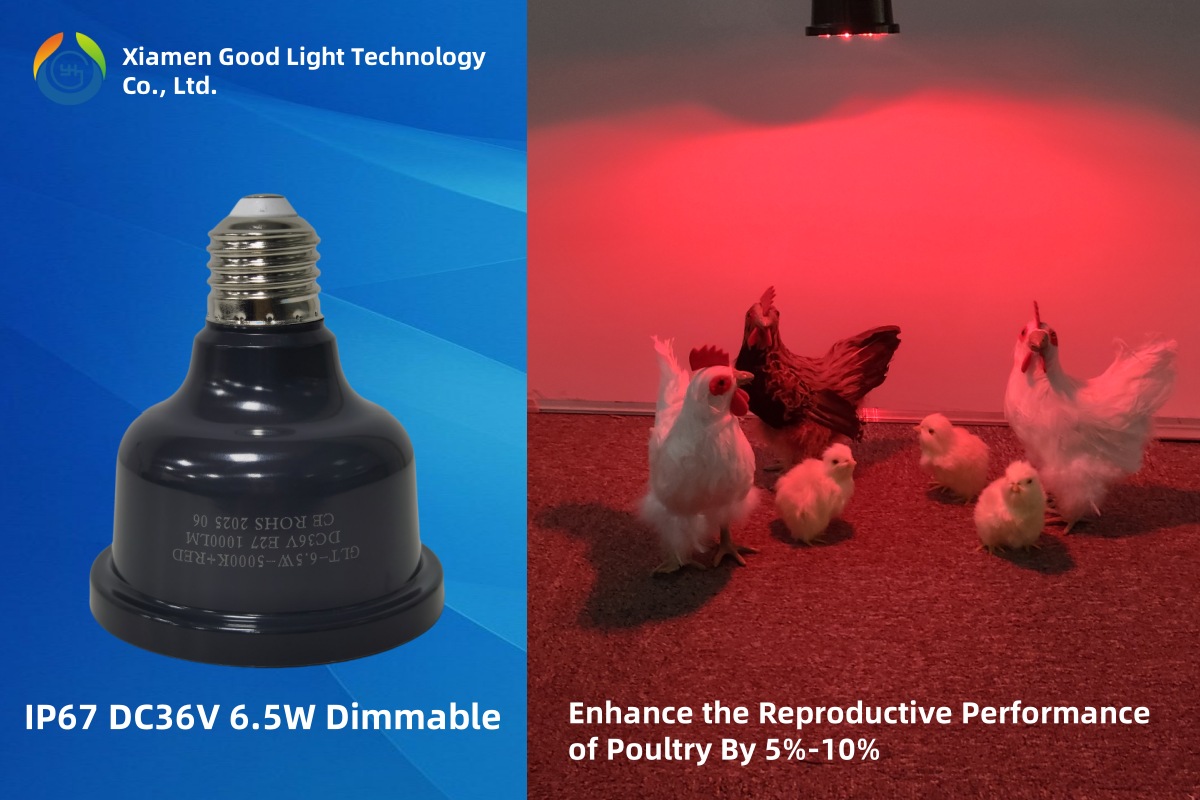
During the rearing stage of young chickens, green light irradiation should be used. However, after they reach sexual maturity and start laying eggs, red light irradiation can be switched to. Red light can promote the secretion of gonadotropins in laying hens, thereby facilitating follicular development and ovulation, and thus increasing egg production. In addition, red light can also improve the biological clock of laying hens and reduce the impact of biological clock disorder on the regularity and stability of egg production.


Ultraviolet radiation can convert 7-dehydrocholesterol in chicken skin into vitamin D3, thereby promoting the absorption of calcium in feed and ensuring bone health. Ultraviolet rays can kill harmful microorganisms in the chicken house environment and reduce the risk of disease transmission. Indoor breeding can simulate natural light through LED lighting and be regularly disinfected in combination with ultraviolet lamps.


Xiamen Good Light Technology Co., Ltd. has recently launched the Two-color LED poultry farming lighting products. They belong to the poultry growth lighting. Two light colors can be switched on one lamp. It can meet the breeding needs of different chicken breeds and at different stages. It can improve the breeding environment of chicken houses and promote the healthy growth and development of poultry. The company is committed to creating unmanned breeding and more energy-efficient, environmentally friendly and healthy closed poultry houses sustainable farming lighting

Website: www.xmgoodlight.com

Online store: xmgoodlight.en.made-in-china.com

Direct contact Email: anne@xmgoodlight.com


Intelligent Poultry Farming Lighting


In modern poultry farming, an increasing number of farms are adopting LED lighting systems to raise poultry. Why?

Because the poultry lighting system is energy-saving, and it has lighting control capability and strong environmental adaptability.


What kind of LED lighting system is the most suitable for poultry farming?


First, energy conservation and high efficiency

The energy consumption of LED lights is only 1/10 that of incandescent lamps and 1/4 that of energy-saving lamps. Their lifespan can reach 30,000 to 50,000 hours.


Second, adjustable spectrum

The LED light source supports regulation of different wavelength bands such as blue light (for promoting growth), green light (for promoting growth), and red light (for enhancing reproductive performance). It can also achieve the function of gradually brightening and gradually dimming, simulating the changes of natural light to reduce the stress response of the chicken flock.


Third, environmental adaptability

LED lights have a high level of water resistance, such as IP67, and are suitable for chicken house environments with high humidity and a lot of dust. They also support high-pressure water gun cleaning, making maintenance very convenient.


Fourth, intelligent control

The modern lighting system, combined with Internet of Things technology, can automatically adjust the duration, intensity, color temperature and lighting area of the light, reducing the cost of manual intervention and increasing the economic benefits of the poultry farm.


How to find the most suitable LED lighting system for poultry farming?


HERE. 

Xiamen Good Light Technology Co., Ltd. specializes in the research, production and sales of LED intelligent lighting systems. Our intelligent lighting system includes LED poultry light bubs, lighting controller and cable waterproof lampholder connecting lines. Our lights have an IP67 waterproof and dustproof rating, which enables them to adapt well to the complex environment of chicken houses.

By using our system, you can easily adjust the lighting parameters, such as the light duration, intensity, color and area of the lighting. You can manage the lighting for the breeding process, allowing the lighting to promote the healthy growth of poultry and enhance their reproductive performance. With this energy-saving and cost-effective lighting system, the annual electricity bill can be reduced by 70% to 80%. And the PI (performance index) will be increased by 10% to 20%.


It's time to use science technology to transform your farm. Act quickly!


Intelligent Lighting System Product Link:

LED Poultry Light Bulb

LED Intelligent lighting controller

Cable Waterproof Lampholder Connecting Line


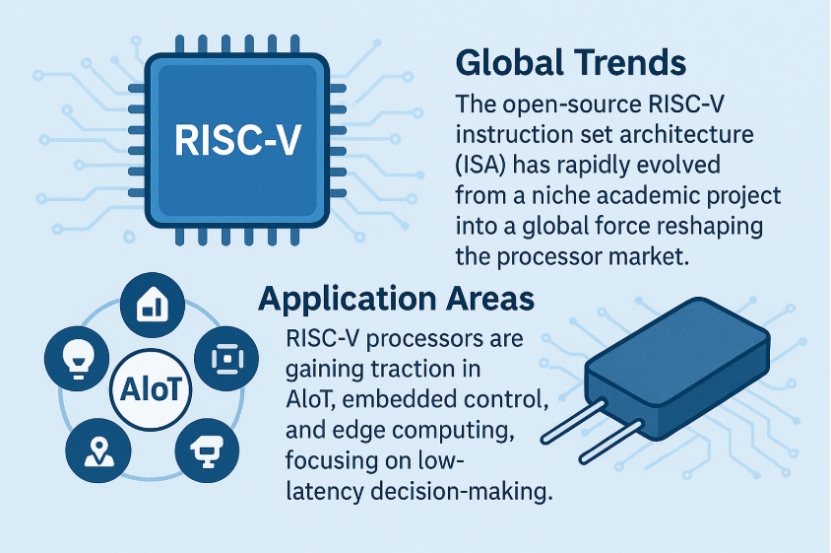
The open-source RISC-V instruction set architecture has rapidly evolved from a niche academic project into a global force reshaping the processor market. Over the past few years, semiconductor companies, research institutions, and startups alike have embraced RISC-V for its flexibility, reduced licensing costs, and potential for highly customized chip designs. Its adoption is accelerating in sectors ranging from data centers to low-power embedded systems, driven by the need for scalable performance and open innovation.

RISC-V processor architecture 

One of the fastest-growing areas for RISC-V implementation is AIoT (Artificial Intelligence of Things). As smart devices integrate AI capabilities at the edge, processors must handle both machine learning inference and complex sensor data processing locally. This trend is mirrored in embedded control systems, industrial automation, and edge computing platforms—where low-latency decision-making is essential. The modular nature of RISC-V allows chip designers to fine-tune cores for specific workloads, from high-performance neural processing to ultra-low-power microcontrollers.


Yet, no matter how sophisticated the processor architecture becomes, its performance is inherently tied to the accuracy and stability of its clock source. This is where crystal oscillators play an irreplaceable role. A crystal oscillator generates a precise and stable frequency signal, ensuring that instruction execution, peripheral communication, and data synchronization occur with consistent timing. Without such stability, high-speed data buses, wireless communication modules, and real-time control loops would be prone to errors and latency spikes.


In AIoT devices, for example, a small deviation in the processor clock can lead to cumulative timing mismatches between sensor inputs and AI algorithms, affecting recognition accuracy. In embedded systems such as automotive controllers or medical devices, clock instability could disrupt safety-critical operations. Even in edge computing nodes handling distributed workloads, accurate timing signals are crucial for coordinating processes across multiple devices in a network.


RISC-V processors, particularly those targeting wireless connectivity standards like Wi-Fi, Bluetooth, and 5G, rely heavily on low-jitter crystal oscillators to meet stringent communication protocol requirements. The frequency precision determines not only the processor’s internal timing but also the synchronization of RF transceivers, ADC/DAC converters, and external memory interfaces. For industrial and defense-grade applications, temperature-compensated crystal oscillators (TCXO) or oven-controlled crystal oscillators (OCXO) are often paired with RISC-V chips to maintain stability in extreme environments.


The future of RISC-V will likely see even more integration with diverse hardware ecosystems—heterogeneous computing modules, AI accelerators, and advanced security enclaves. Regardless of these innovations, every design still begins with the same foundational requirement: a reliable, accurate, and stable clock source. The crystal oscillator remains the silent but indispensable enabler, ensuring that RISC-V’s open-source vision is matched by uncompromising operational precision.


In essence, the global rise of RISC-V is not just a story of architectural freedom and innovation; it is also a reminder that at the heart of every advanced processor lies a humble yet essential timing device—without which the promise of the architecture could not be fully realized.


Key Considerations for SAE Interfaces in Diesel Generator Sets

In traditional installation processes for diesel generator sets, the connection between the engine and the alternator primarily relies on a double-point linkage. The drawbacks of this double-point connection method include poor coaxial alignment, excessive noise, and susceptibility to wear in the connecting plate’s rubber gasket, which is also cumbersome to replace. Adopting a single-point connecting plate effectively resolves these issues. However, during the installation of diesel generator sets, it is crucial to verify the dimensions of the matching SAE interface; otherwise, installation may fail. In this article, Power Equipment will address some key questions regarding SAE interfaces.

  1. Generator Set Assembly: Interface Compatibility is Critical
    A diesel generator set typically consists of an engine, alternator, radiator, controller, and base frame. The most critical aspect during assembly is ensuring compatibility between the engine and alternator interfaces. These interfaces are generally designed and manufactured according to the standards set by the Society of Automotive Engineers (SAE). This standard specifies the connection dimensions between the engine’s flywheel and flywheel housing and the alternator’s flange and adapter plate. Since all manufacturers produce engines and alternators to these standardized dimensions, components from different brands can be freely combined into complete sets.

2. Specify the Engine’s SAE Specification During ProcurementWhen procuring a generator set, the purchaser must clearly identify the engine’s SAE specification and request that the generator set manufacturer produce the unit accordingly. The SAE specification is provided by the engine manufacturer.


3. Units with Identical SAE Specs but Different Brands Are Generally Not Interchangeable

Diesel generator sets with the same SAE specification but from different brands are typically not interchangeable. This is because the SAE specification only defines a few critical connection dimensions for the flange and adapter plate, not all dimensions. Therefore, flanges and adapter plates produced by different manufacturers may vary in non-standardized dimensions, making them incompatible for cross-brand replacement.


The above outlines key considerations for SAE interfaces in diesel generator sets, compiled by Power Equipment for user reference. If you require further technical knowledge about diesel generator sets, please visit our website or contact us directly. We are committed to providing you with expert support.


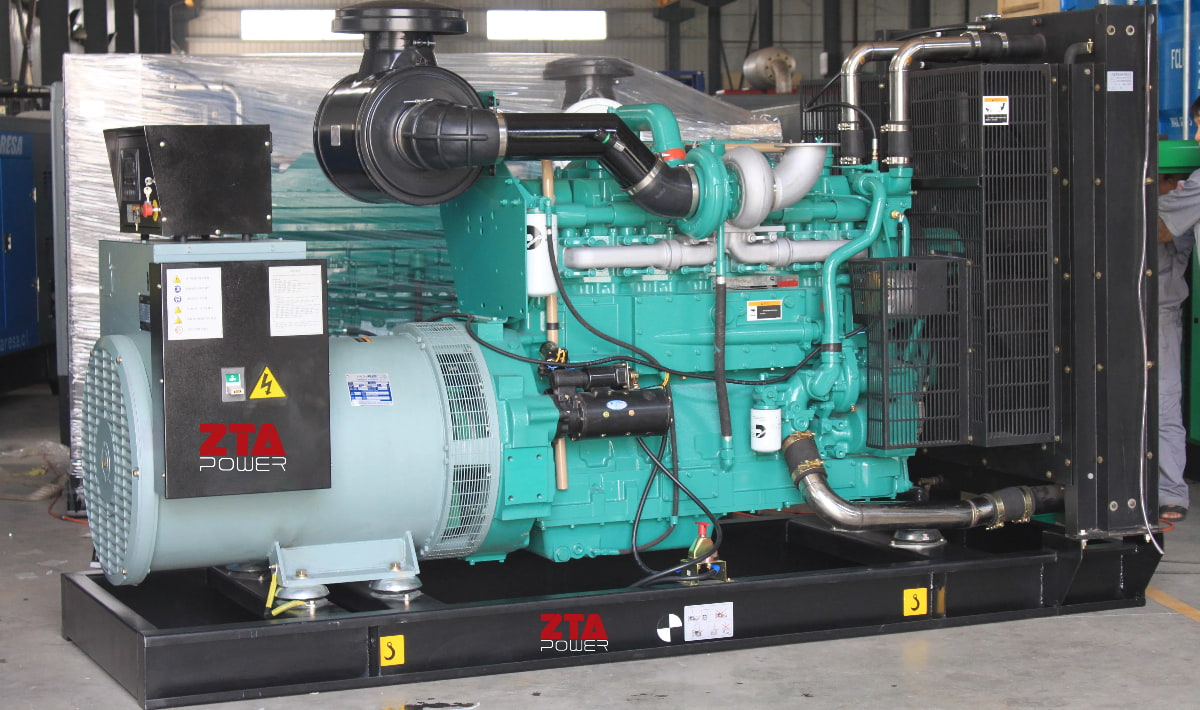
Cummins KTA19-G3 500KVA Genset

Precision air conditioners are vital in environments where stable temperature and humidity are crucial—such as data centers, telecom rooms, laboratories, and industrial automation sites. At Coolnet, we follow a rigorous 10-step quality inspection process during product assembly to ensure every unit meets international standards, operates reliably, and performs efficiently over the long term.

Here’s a breakdown of our 
Precision Air Conditioner Assembly Process Inspection Checklist:Precision Air Conditioner Assembly Process
1. Rack Installation
We begin with structural alignment and surface quality:
  • The base, top frame, and vertical posts are aligned on the same plane with a diagonal tolerance within 3mm.
  • The rack’s surface must be uniform in color and free from scratches, dents, oil stains, or paint defects.
  • All screws must be present and tightened; no missing, extra, or loose fasteners are allowed.
 
2. Major Component Installation
Consistency is key to performance and compliance:
  • All key components and internal structures must match the BOM and certification inspection reports (e.g., 5C, energy-saving standards).
  • Compressors, evaporators, fans, and trays are checked for correct model, installation position, torque force, and structural integrity.
  • Anti-vibration pads, sealant applications, and clearance gaps are verified to meet assembly specifications.
 
3. Piping, Welding, and Component Orientation
Every pipeline and valve is carefully reviewed:
  • Check valves, solenoids, and dryers must be oriented as per design drawings; sight glasses must be visible and correctly aligned.
  • All welded connections must be full and free of defects, with nitrogen protection during welding and cleaning afterward.
  • Copper pipes must be properly routed, with no interference and a minimum 10mm spacing between each other.
 
4. Airtight Components Installation
Critical pressure-sensitive devices are installed with precision:
  • High- and low-pressure switches are positioned and secured according to the BOM and layout drawings.
  • Differential pressure switches are installed with model verification and setting adjustments.
 
5. Pressure Holding and Airtightness Testing
Leak-proof performance is mandatory:
  • Initial and secondary nitrogen pressure tests are conducted.
  • Units must pass airtightness checks with no pressure drop, leakage, or water seepage.
  • Failed units are re-welded and re-tested to ensure complete sealing.
 
6. Insulation Wrapping
Energy efficiency depends on proper insulation:
  • Pipes must be fully wrapped with insulation sleeves, leaving no gaps, tears, or loose fittings.
  • Insulation in the electrical control box and drain tray areas must comply with engineering standards.
 
7. Secondary Component Installation
Smaller parts are equally important:
  • Temperature sensors are installed in the correct position and coated with thermal paste where needed.
  • Heaters and humidifiers must match the BOM and be tightly secured, with sealed water connections and no deformation.
  • Filters must be easily accessible, match the BOM, and be installed correctly.
 
8. Electrical Control Assembly
Our electrical quality checks cover layout, functionality, and safety:
  • Electrical cabinets and all internal components must align with BOM specifications.
  • Wiring is routed neatly, labeled clearly, and firmly connected.
  • All devices must be operational, with function labels and no loose terminals.
 
9. Door Panels and Component Installation
External structure must be robust and user-friendly:
  • Door panels must be insulated, smooth, and free from defects such as scratches or dents.
  • Operation screens and door locks must function smoothly, and structural gaps must be ≤2mm.
  • Ground wires (PE) must be correctly connected.
 
10. Labeling, Gas Filling, and Final Cleaning
Final quality assurance steps include:
  • Filling indoor and outdoor units with nitrogen gas.
  • Applying product labels, electrical safety warnings, and gas indicators accurately and firmly.
  • Performing full internal and external cleaning—no oil, dust, or foreign objects allowed.
  • Manually rotating fan blades to check for abnormal sounds or interference.
 
Conclusion: Excellence from the Inside Out

From framework assembly to airtightness testing and final cleaning, every step in our precision air conditioner production process reflects our commitment to craftsmanship, compliance, and customer satisfaction. Whether you’re looking for standard models or tailored solutions, Coolnet delivers air conditioning systems you can trust.

Contact the Coolnet team for expert consultation and tailored solutions.
Email: info@coolnetsystem.com
Tel/Whatsapp: +86- 18326091011

Magnetic cores are vital components in electronics, essential for efficient energy conversion in transformers, inductors, and chokes. The right core material significantly impacts a device's performance, efficiency, size, and cost. This article compares two key materials: traditional ferrite cores and advanced nanocrystalline cores.

1. What Are Ferrite and Nanocrystalline Cores?

Understanding their basic structure is key to their properties.

Ferrite Cores: The Established Workhorse

Ferrite cores are dense ceramic structures made primarily from iron oxide (Fe2O3) mixed with other metal oxides like manganese, zinc, nickel, or magnesium. These mixtures are shaped and fired at high temperatures (around 1300°C). Their high electrical resistivity minimizes eddy current losses, making them ideal for low-frequency applications. Ferrites offer design flexibility and can be molded into various shapes, including U-cores low power allpications. MnZn ferrites are typically used below 5 MHz, while NiZn ferrites suit  0.01MHz up to 20MHz.


Nanocrystalline Cores: The High-Performance Innovator

Nanocrystalline cores are advanced soft magnetic materials with exceptionally small grain sizes, typically 10 to 20 nanometers.Their metallic alloy composition is mainly iron (Fe) with additions of silicon (Si), boron (B), niobium (Nb), and copper (Cu).They are manufactured by rapidly solidifying molten metal into an amorphous ribbon, then precisely heat-treating it to induce nano-crystallization.This nanoscale structure results in remarkably low core loss, low magnetostriction, high saturation induction, and very high initial permeability,over 80Kμm at 10KHz and over 20Kμm at 100KHz.They also exhibit excellent thermal stability from -40 to 120 degree celsius.

2. Ferrite vs. Nanocrystalline: A Performance Showdown

Nanocrystalline materials generally outperform ferrite cores in critical magnetic properties, though ferrite retains specific advantages.

Advantage of Nanocrystalline Core

Nanocrystalline cores offer significant performance benefits:

Permeability: Nanocrystalline materials have significantly higher permeability, often ten times that of ferrite cores.This allows for smaller, more efficient components with fewer turns.

Saturation Flux Density (Bs): Nanocrystalline cores boast a much higher saturation flux density (1.2 T to 1.32 T) compared to ferrite cores (around 0.3 T to 0.49 T for MnZn ferrite).This means they can handle stronger magnetic fields without saturating, enabling more powerful designs.

Core Loss: A major advantage of nanocrystalline core is their significantly lower core losses across a wide frequency range. This leads to enhanced energy efficiency, less heat generation, and simpler thermal management.

Frequency Response: Nanocrystalline cores offer a broadband frequency range and maintain properties at very high frequencies, such as 20MHz in transformers, due to vanishingly low magnetostriction.

Thermal Stability: Nanocrystalline cores show superior thermal stability, with stable core loss from -40°C to 140°C and a high Curie temperature around 570°C. Ferrite core loss can vary more with temperature.

Size & Weight: The superior magnetic properties of nanocrystalline cores enable smaller and lighter components, leading to higher power density (e.g., up to 12 W/cm³ compared to 6 W/cm³ for ferrite transformers).This is crucial for miniaturization.

Where Ferrite Remains a Strong Choice & Considerations

Despite nanocrystalline's superior performance, ferrite cores remain relevant:

Cost-Effectiveness: Ferrite cores are generally more economical and easier to produce.While nanocrystalline cores offer higher performance, they typically have a higher upfront cost.


Specific Application Suitability: For simpler EMI noise scenarios with low energy or single frequencies, inexpensive ferrite cores are often sufficient and more cost-effective.


High Permeability Challenge: The extremely high permeability of nanocrystalline cores can sometimes lead to saturation issues in specific toroidal core designs, where a ferrite material with low permeability might be more effective.


Table 1: Ferrite vs. Nanocrystalline Core Comparison

Property

Ferrite Core

Nanocrystalline Core

Composition

Ceramic (Iron Oxide + Mn/Zn/Ni/Mg oxides)

Metallic Alloy (Fe, Si, B, Nb, Cu)

Typical Grain Size

Micrometers

Nanometer range (10-20 nm)

Permeability (µ)

Lower (e.g., 5000+ for MnZn)

Very High (e.g., 20,000 – 200,000µ)

Saturation Flux Density (Bs)

Lower (e.g., 0.3-0.49 T)

Higher (e.g., 1.2-1.25 T)

Core Loss (relative)

Higher

Very Low (e.g., 1000x reduction vs SiFe)

Frequency Range

Up to 20KHz (MnZn <5MHz)

Broadband (up to 20MHz for

Thermal Stability

Less stable (loss varies with temperature)

Excellent (stable -40°C to 140°C, high Curie ~570°C)

Typical Cost (relative)

Lower

Higher

Size Implication

Larger components

Smaller/Lighter components

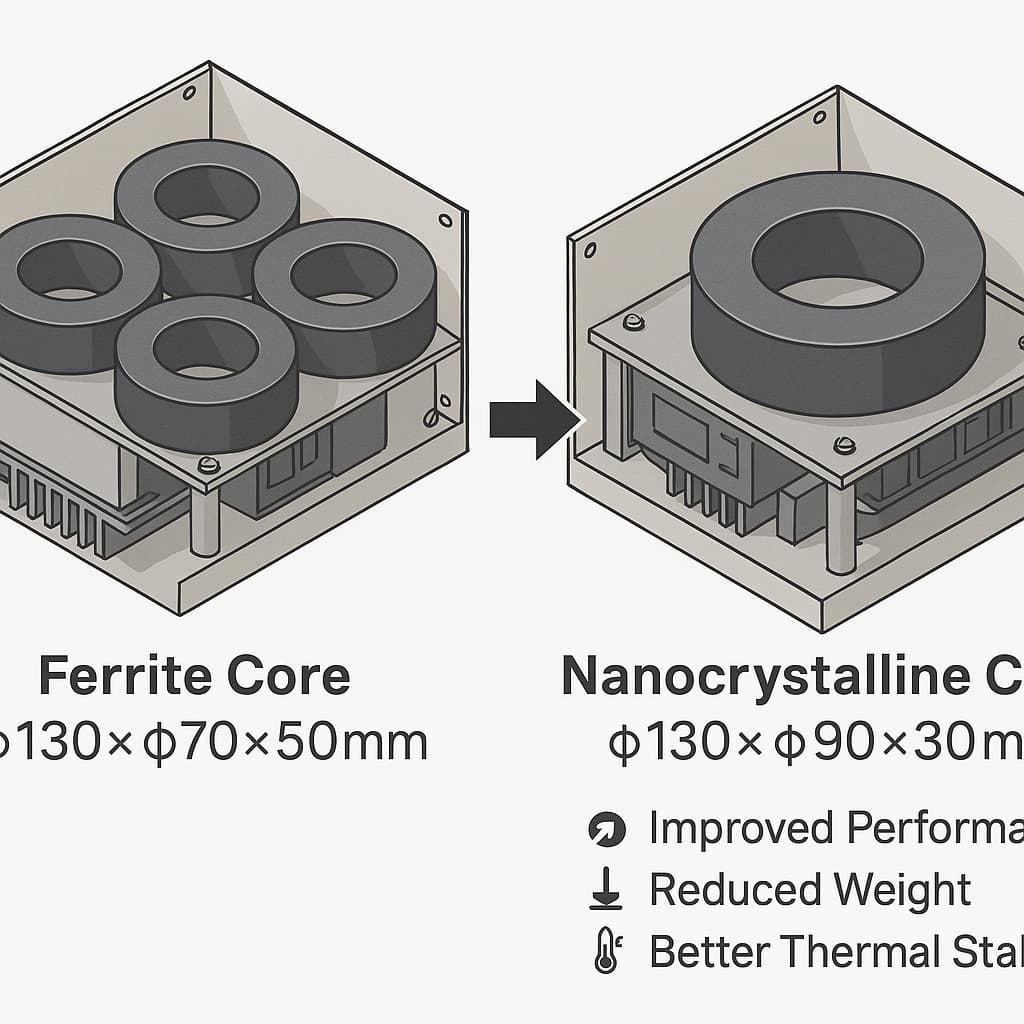
In a military-grade three-phase switching power supply project, the customer originally used four high-performance ferrite magnetic cores (φ130 × φ70 × 50 mm). These were successfully replaced by a single conventional nanocrystalline core (φ130 × φ90 × 30 mm). The change not only reduced the number of components but also enhanced overall system performance and thermal reliability.

Key highlights of this case include:

- Structural optimization: 4× Ferrite cores → 1× Nanocrystalline core

- Size & Weight: Despite larger individual size, only one nanocrystalline core was needed

- Performance: Improved efficiency and temperature control at 100 A operating current

- Design Margin: The system maintained performance redundancy, enhancing long-term reliability

 ferrite core vs nanocrystalline core

3. Applications: Where Each Core Excels

The distinct properties of ferrite core and nanocrystalline core make them suitable for different applications.

Ferrite Core Applications

Ferrite cores are widely used due to their reliability and cost-effectiveness:

General low-Frequency Applications: low-frequency transformers, wideband transformers, adjustable inductors.

Power Applications: Power transformers , converter/inverter transformers, voltage converters, output chokes, and Switched-Mode Power Supplies (SMPS).

Noise and Interference Suppression: Noise filters and EMI line filters, especially for simpler EMI scenarios.

Sensing and Control: Measuring and instrumentation transformers, electric fencing, motor speed control, loading sensing, earth leakage sensing, and LED drivers.


Nanocrystalline Core Applications

Nanocrystalline cores are used in cutting-edge, high-performance applications where efficiency and miniaturization are critical:

Advanced Power Electronics: High-performance power transformers, inductors, and chokes for compact, lightweight designs, ideal for high current output inverters.

Electric Vehicles (EVs): Crucial in EV chargers, motor drives, and battery management systems, minimizing energy losses for faster charging and extended range.

Renewable Energy Systems: Improved performance at high frequencies for efficient power conversion.

Current and Magnetic Sensors: High sensitivity and accuracy due to excellent magnetic properties.

Complex EMI Suppression: Excel in EMI suppression and common mode chokes for high-energy or multi-frequency noise due to high impedance and wide effective frequency band.

Telecommunications: Contribute to faster data transfer and more compact, reliable equipment by minimizing signal distortion and handling high power densities.

Other High-Performance Fields: UPS systems , medical imaging (MRI) , and aerospace.


4. Powering Innovation with the Right Core

Choosing the optimal magnetic core is a strategic decision impacting design success and competitiveness.

Dongguan JH Amorphous is committed to tailored solutions, from standard offerings to custom configurations. Our engineering support is available at every stage to ensure optimal results. Partner with us to achieve your design goals and ensure the reliability of your electronic systems.

Contact our experts today to discuss your project requirements and explore our range of high-quality magnetic core solutions.


LTCC (Low-Temperature Co-fired Ceramic) filters typically support a wide range of frequencies, depending on their design and application. Generally, they cover the following frequency ranges:


1. HF to Microwave Bands – LTCC filters commonly operate from a few MHz up to tens of GHz.

2. Common Ranges:


  • Sub-6 GHz (100 MHz~6 GHz) – Widely used in wireless communications (e.g., Wi-Fi, 4G/5G, Bluetooth, GPS).
  • Millimeter-Wave (24 GHz~100 GHz+) – Some advanced LTCC filters support 5G mmWave and automotive radar applications.


3. Specific Applications:


  • Bluetooth/Wi-Fi (2.4 GHz, 5 GHz)
  • Cellular (700 MHz~3.5 GHz for 4G/5G)
  • GPS (1.2 GHz, 1.5 GHz)
  • Automotive Radar (24 GHz,77 GHz,79 GHz)


LTCC technology allows for compact, high-performance filters with good thermal stability, making them suitable for RF and microwave systems. The exact frequency range depends on the material properties, resonator design, and manufacturing precision.


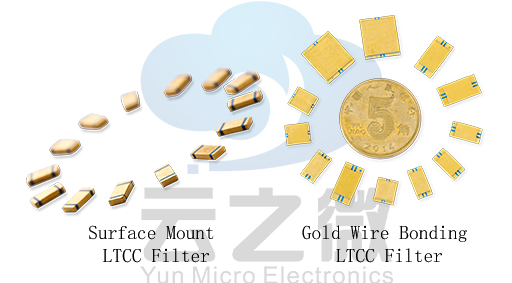
Specifications of Yun Micro's LTCC filters:LTCC Filter

Gold Wire Bonding LTCC Filter

Parameter:

Frequency range:1 GHz~ 20GHz(BPF)

3dB BW:5%~ 50%

Size: Length 4~ 10mm,Width 4~7mm,High 2mm

Good product consistency

Small volume, Surface Mountable or Wire or Ribbon Bonds


Surface Mount LTCC Filter

Parameter:

Frequency range:80MHz~9GHz (LPF),140MHz~ 7GHz (BPF)

3dB BW:5%~50%

Size: Length 3.2~9mm,Width 1.6~5mm,High 0.9~2mm

Good product consistency

Small volume, Surface Mountable or Wire or Ribbon Bonds


Yun Micro, as the professional manufacturer of rf passive components, can offer the cavity filters up 40GHz,which include band pass filter, low pass filter, high pass filter, band stop filter.


Welcome to contact us: liyong@blmicrowave.com

The Integrated Systems Europe (ISE) 2025 is in full swing, and CNLC is proud to be part of this global event, showcasing our latest LED & LCD digital signage solutions. As a leader in outdoor digital advertising displays, CNLC continues to push the boundaries of innovation, delivering high-brightness, durable, and energy-efficient signage solutions for various industries.


Whether you’re looking for weather-resistant LED billboards, smart city digital displays, or high-impact retail signage, CNLC is here to transform your digital advertising strategy.


Why CNLC’s Digital Signage Stands Out at ISE 2025


At ISE 2025, Hall 5 - 5R550, CNLC is unveiling its latest advancements in aluminum-structured digital signage. Our industry-leading displays are designed to perform in challenging outdoor environments, ensuring high visibility, durability, and efficiency.


Key Features of CNLC’s Digital Signage Solutions:


✅ High-brightness LED & LCD displays for enhanced visibility in all lighting conditions
✅ Aluminum-structured enclosures for superior durability and heat dissipation
✅ IP-rated weatherproof designs to withstand rain, dust, and extreme temperatures
✅ Energy-efficient technology, reducing operational costs
✅ Smart connectivity options, including remote content management and interactive displays
✅ SKD (Semi-Knocked Down) design for flexible assembly and cost-effective shipping


Our team has been actively engaging with industry professionals, discussing how digital signage is shaping the future of advertising, smart cities, and public information systems.


Experience CNLC’s Latest Digital Signage Innovations


ISE is the ultimate platform to explore cutting-edge display technology. If you haven’t visited us yet, there’s still time to experience our high-performance LED & LCD solutions at Hall 5 - 5R550. Our expert team is ready to provide live demonstrations, answer your questions, and discuss customized digital signage solutions for your business.


Watch Our ISE 2025 Highlights!


Couldn’t make it to the event? Don’t worry! We’ve captured all the action—watch our event highlights video to see our digital signage solutions in action and hear from our team of experts.


Let’s Stay Connected!


ISE 2025 may be coming to an end, but our commitment to revolutionizing digital signage continues. If you’re looking for customized LED & LCD display solutions for your business, get in touch with CNLC today!


? Contact us for product inquiries and partnerships: Click Here

? Explore our full product range: Visit Our Website


? Join us at ISE 2025, Hall 5 - 5R550, and discover the future of digital signage!


About CNLC

With over 18 years of experience, CNLC is a trusted OEM/ODM manufacturer of outdoor digital signage solutions. Our high-brightness LED & LCD displays are widely used in smart cities, transportation hubs, retail, and outdoor advertising. We are committed to quality, innovation, and sustainability, helping businesses worldwide enhance their digital advertising strategies.

keyboard_arrow_up